In robotics, mastering the sense of touch represents the ultimate challenge. Through the innovation of 3D-printed skin, machines are gaining the ability to feel and engage with their surroundings in ways once exclusive to living creatures. This advancement goes beyond merely providing robots with tactile capabilities; it creates a bridge between human and machine interaction, enriching our technological experiences.
Chapter 01
The Science Behind 3D-Printed Skin
Unveiling the technology that makes robotic touch possible.
The Technology Behind It
To craft 3D-printed skin, sophisticated materials and complex sensor networks come into play, emulating the physical traits of human skin. Constructed in layers, these materials mimic the epidermis and dermis, with sensors embedded to perceive pressure, temperature, and texture.
Innovations in Materials
The creation of this synthetic skin utilizes flexible polymers that mirror the elasticity of real skin. Embedded with micro-sensors, these polymers convey tactile data to the robot’s processing unit, facilitating the interpretation of diverse sensory inputs.
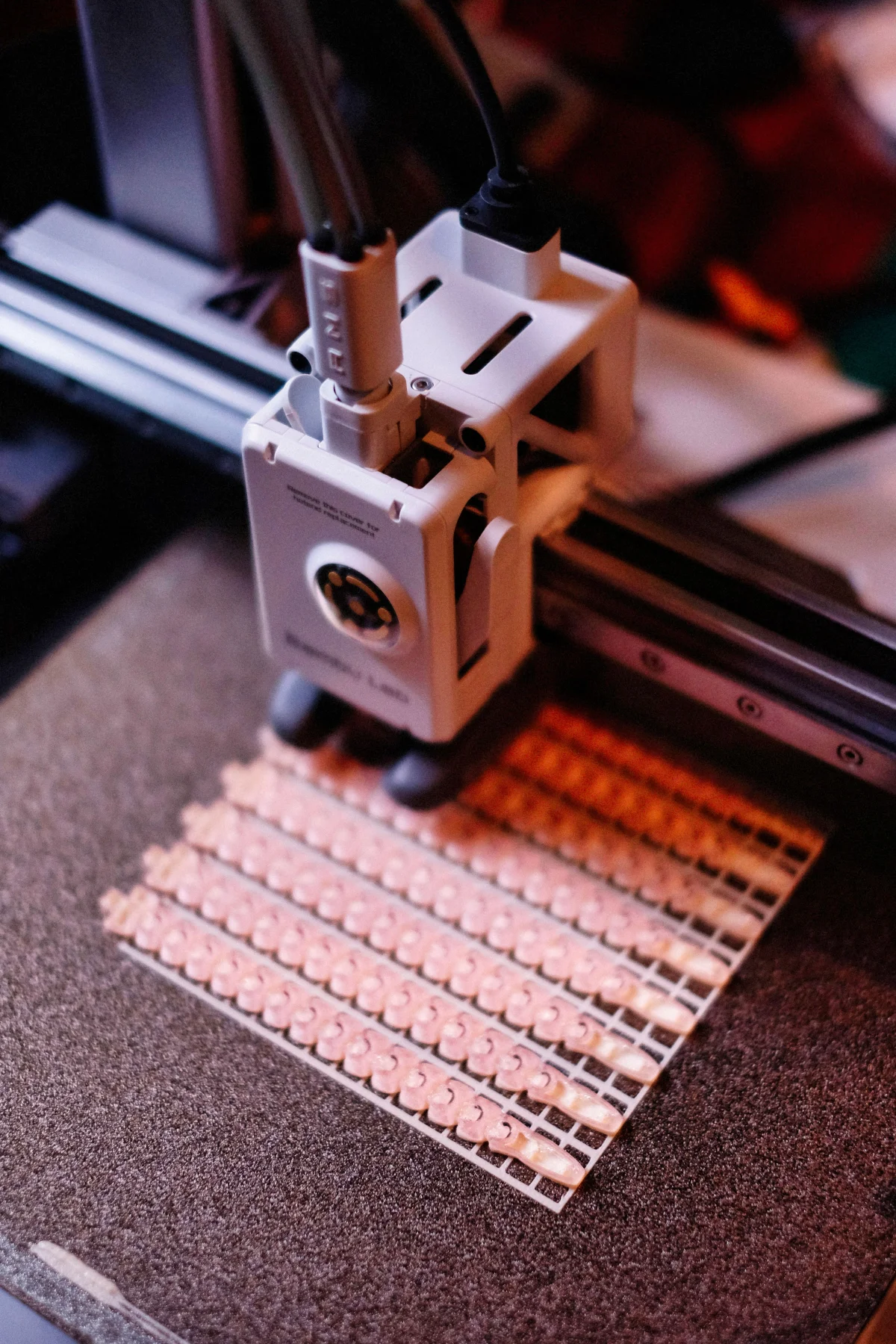
3D-printed skin is a game-changer for robotic interaction.
Practical Uses
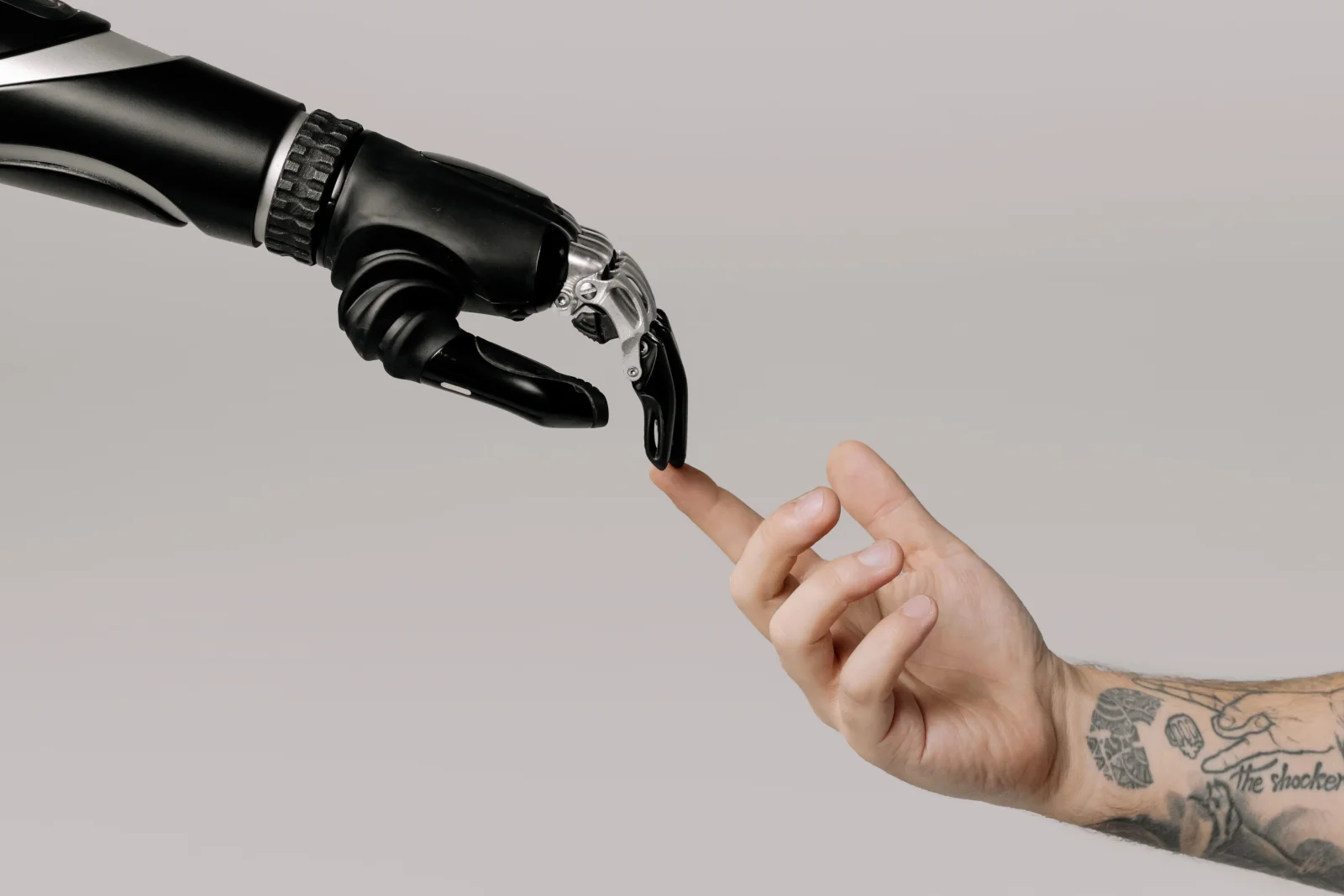
The applications for 3D-printed skin are diverse and significant. In healthcare, it enables robots to conduct intricate surgeries with heightened precision. In manufacturing settings, these tactile-enabled robots can handle delicate materials akin to human hands. The technology could also transform prosthetics, offering amputees limbs with genuine touch sensation.
Chapter 02
Challenges and Future Prospects
Exploring the hurdles and the future of tactile robotics.
Tackling Technical Challenges
3D-printed skin, though promising, encounters notable obstacles. Issues like the durability of the materials when subjected to continuous use and their vulnerability to environmental conditions such as humidity and temperature remain. Researchers are vigorously pursuing enhancements in these areas, aiming to ensure the technology’s resilience in everyday use.
Narrative flow
Scroll through the argument
01
Step 1: Material Selection
Choosing polymers that balance flexibility with robustness.
02
Step 2: Sensor Integration
Embedding sensors that reliably detect and convey tactile information.
03
Step 3: Data Processing
Creating algorithms to translate sensor data into actionable insights.
Visions for the Future
The prospects for 3D-printed skin in robotics are promising and expansive. As material science and sensor technology progress, we can anticipate more advanced implementations. Combining AI with tactile sensors will augment the abilities of robots, fostering greater adaptability and responsiveness.
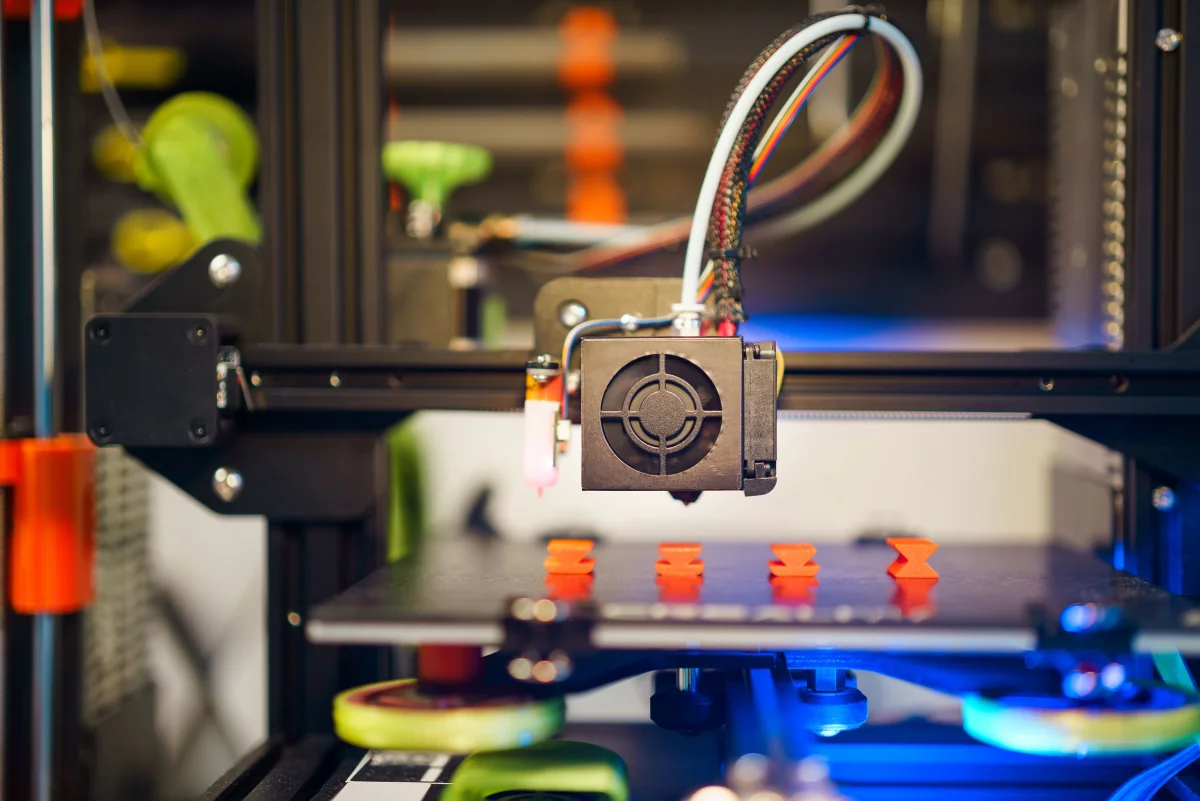
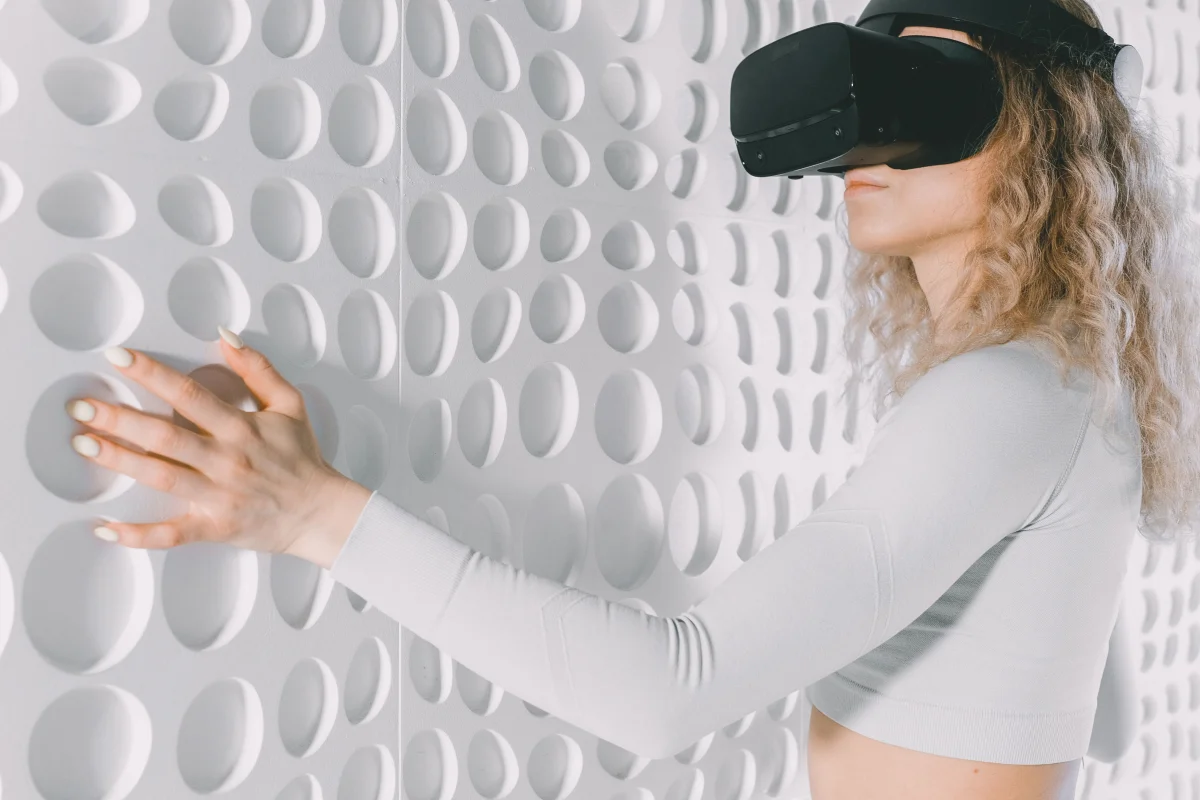
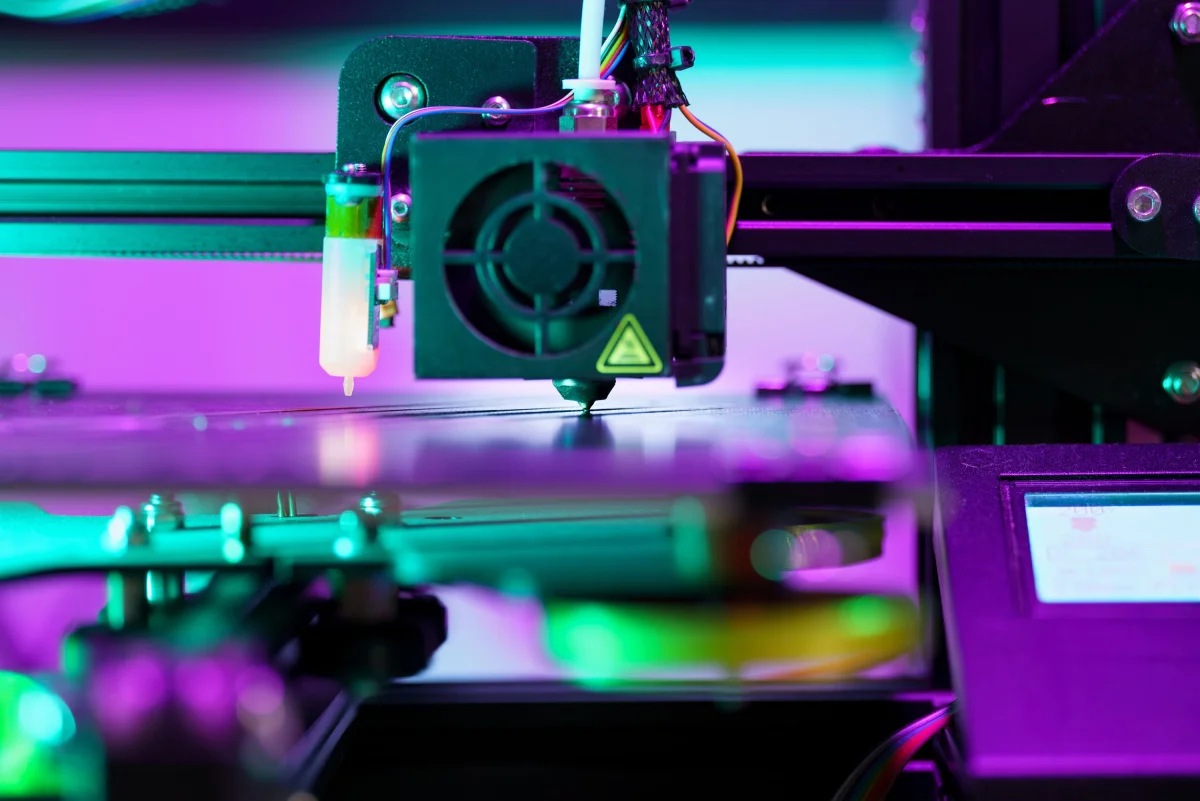
3D-Printed Skin in Action
As this technology evolves, its influence will stretch beyond robotics to areas like biomechanics and artificial intelligence. Imbuing machines with a sense of touch not only boosts their functionality but also shifts our perspective and interaction with technology. The dawn of tactile robotics is upon us, heralding a future where machines can genuinely perceive the world they operate in.