AI Memory Challenges
AI Memory: A Broken System?
Is AI's memory architecture its Achilles' heel?
AI memory is broken. This bold statement reflects a growing concern in the tech community. As AI systems become more complex, their memory architectures struggle to keep pace. The stakes are high: without effective memory solutions, AI could stagnate, failing to reach its full potential. Yet, on the horizon, there are promising innovations poised to revolutionize AI memory.
Chapter 01
The Memory Dilemma
Understanding the limitations of current AI memory systems and the implications for innovation.
The Complexity of AI Memory
AI memory challenges are not just technical hurdles; they are foundational issues that impact the very essence of AI capability. Current systems, while advanced, rely on memory architectures that were not designed to handle the massive data and processing demands of today’s AI.
- Scalability: Current memory systems struggle with scaling efficiently.
- Latency: Delays in memory retrieval slow down processing speeds.
- Energy Consumption: High energy demands are unsustainable.
- Data Integrity: Memory errors can lead to data corruption.
- Cost: Advanced memory systems are prohibitively expensive.
Historical Context of Memory in AI
Historically, AI development has outpaced memory innovation. Early AI systems were simplistic, requiring minimal memory resources. However, as AI evolved, so did its memory needs. This disparity has led to a bottleneck effect, where the potential of AI is constrained by outdated memory technologies.
The Cost of Inefficiency
The inefficiency of current memory systems has a ripple effect. Not only does it limit AI performance, but it also increases operational costs and environmental impact. Addressing these inefficiencies is not just a technical necessity but an economic and ethical imperative.

AI memory is broken. This bold statement reflects a growing concern in the tech community.
Chapter 02
Innovations on the Horizon
Exploring cutting-edge solutions that promise to transform AI memory.
Narrative flow
Scroll through the argument
01
Step 1: Neuromorphic Computing
By mimicking the human brain's architecture, neuromorphic computing offers a pathway to more efficient memory systems.
02
Step 2: Quantum Memory
Quantum computing's potential to revolutionize memory by utilizing quantum bits for unprecedented processing power.
03
Step 3: Holographic Memory
A futuristic approach using light waves to store data, offering vast improvements in speed and efficiency.
Neuromorphic Computing in Depth
Neuromorphic computing seeks to emulate the human brain’s neural networks, providing a more natural and efficient form of data storage and retrieval. This approach could drastically reduce the energy consumption and latency issues currently plaguing AI systems.
Quantum Memory: The Next Frontier
Quantum memory represents a paradigm shift, offering the potential to handle data in ways traditional systems cannot. While still in its infancy, the promise of quantum memory is undeniable, with early experiments showing significant gains in speed and efficiency.
Holographic Memory: A Vision of the Future
Holographic memory, though still theoretical, could provide a revolutionary leap in how data is processed. Using light waves, this technology promises nearly limitless storage capacity and rapid access times, transforming AI capabilities.
Visualizing the Future of AI Memory

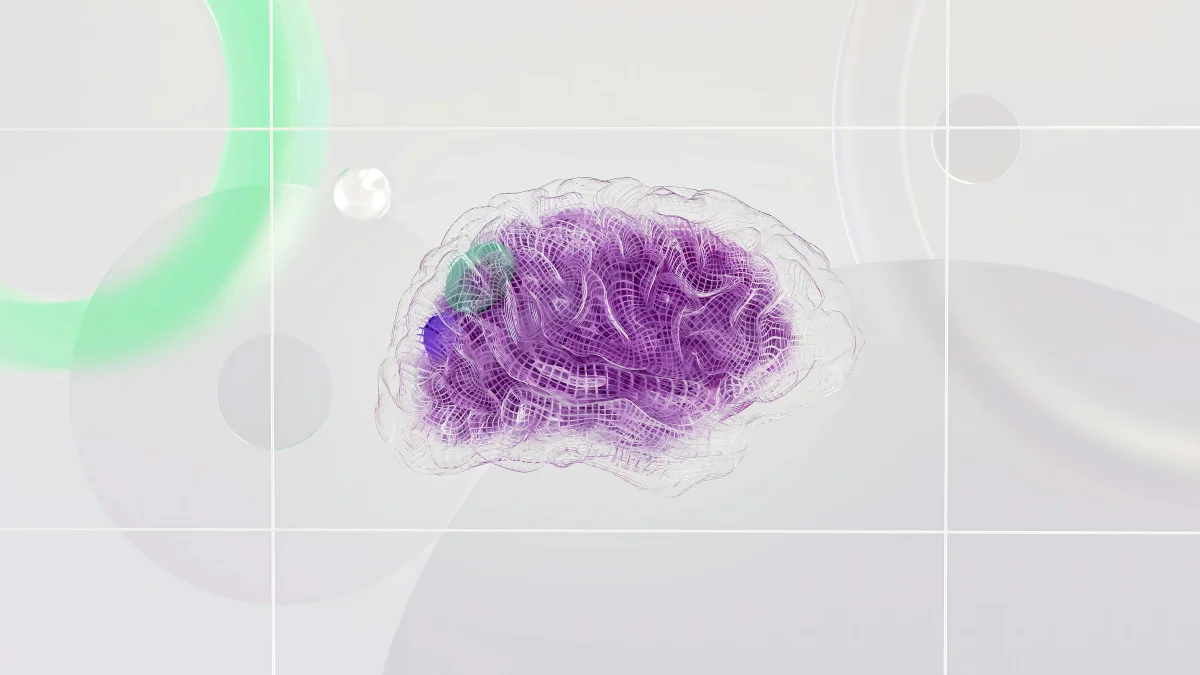
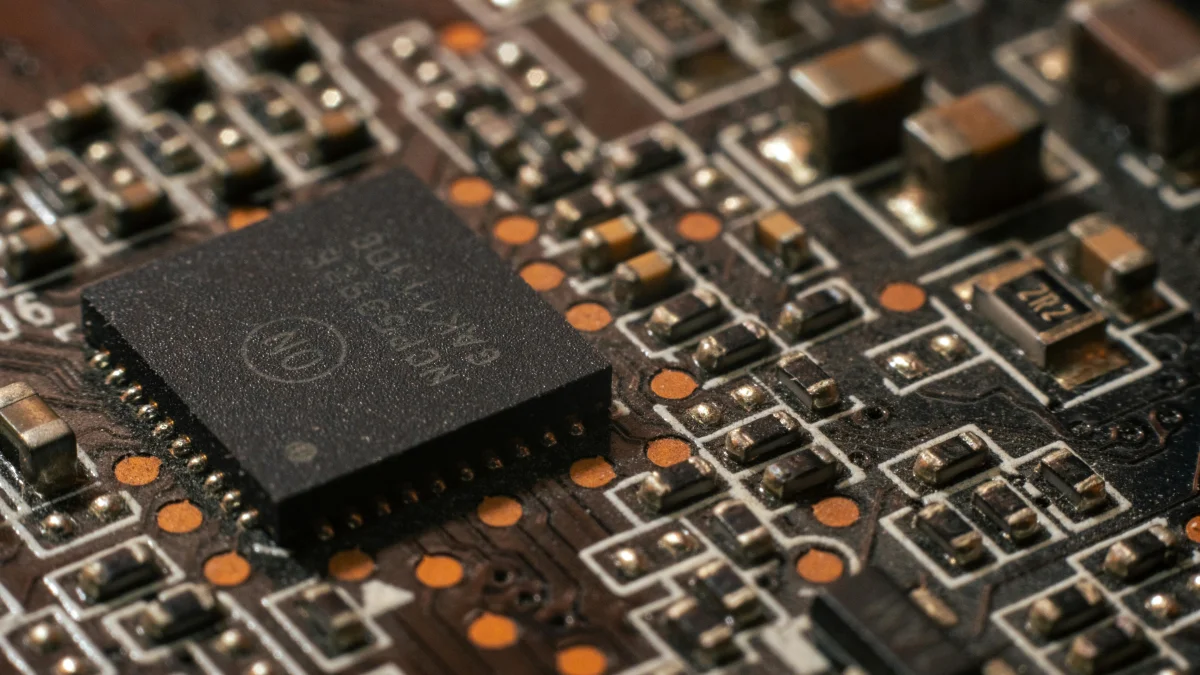
The innovations in AI memory are not just technological; they are a necessary evolution. As we stand on the brink of these advancements, the potential to overcome current limitations is palpable. The solutions on the horizon promise to not only address existing challenges but to open new avenues for what AI can achieve. The future of AI memory is not just about fixing what’s broken; it’s about redefining what’s possible.
Chapter 03
Towards a New Era of AI
What these innovations mean for the future of AI technology and its applications.
Embracing the Future of AI Memory
The forthcoming advancements in AI memory will reshape the landscape of artificial intelligence. As these technologies mature, they will enable AI systems to operate more efficiently, sustainably, and economically, unlocking new capabilities across industries.
- Increased Efficiency: More data processed in less time.
- Lower Costs: Reduced energy consumption and operational expenses.
- Scalable Solutions: Systems that grow with demand.
- Enhanced Capabilities: AI that can learn and adapt in real-time.
- Wider Accessibility: Making advanced AI more available to diverse sectors.
Real-World Implications
These innovations will not only enhance AI performance but also democratize access to cutting-edge technology, enabling more industries to harness the power of AI. From healthcare to finance, the implications are vast and transformative.
Best Practices for Integration
To capitalize on these advancements, organizations must be proactive. Investing in research, collaborating with tech leaders, and staying informed on emerging trends will be crucial to successfully integrating next-generation AI memory solutions.
Chapter 04
The Path Forward
Charting the course for AI memory innovation and its impact on the future.
Looking Ahead: The Long-Term Vision
The advancements in AI memory systems are just the beginning. As we continue to explore and develop new technologies, the potential for AI to transform our world grows exponentially. The journey ahead is filled with opportunities to redefine what AI can do.
- Continued Research: Encourage ongoing exploration of new memory technologies.
- Collaboration: Foster partnerships between sectors to drive innovation.
- Adaptation: Embrace changes and integrate new solutions swiftly.
- Education: Equip the workforce with skills to manage and implement AI advancements.
Implementing Change
The path forward involves not only technological development but also a shift in mindset. Organizations must be ready to adopt new technologies and adapt their strategies to leverage the benefits of advanced AI memory.
Balancing Innovation with Caution
While the potential of these innovations is immense, caution is necessary. Ensuring ethical considerations and addressing potential risks will be critical as we integrate these technologies into everyday applications.
AI memory is on the verge of a breakthrough. The challenges we face today are stepping stones to a future where AI systems are more powerful, efficient, and accessible than ever before. The innovations on the horizon offer not just solutions but a new paradigm for what AI can achieve. The future of AI is not just in its intelligence, but in its memory.