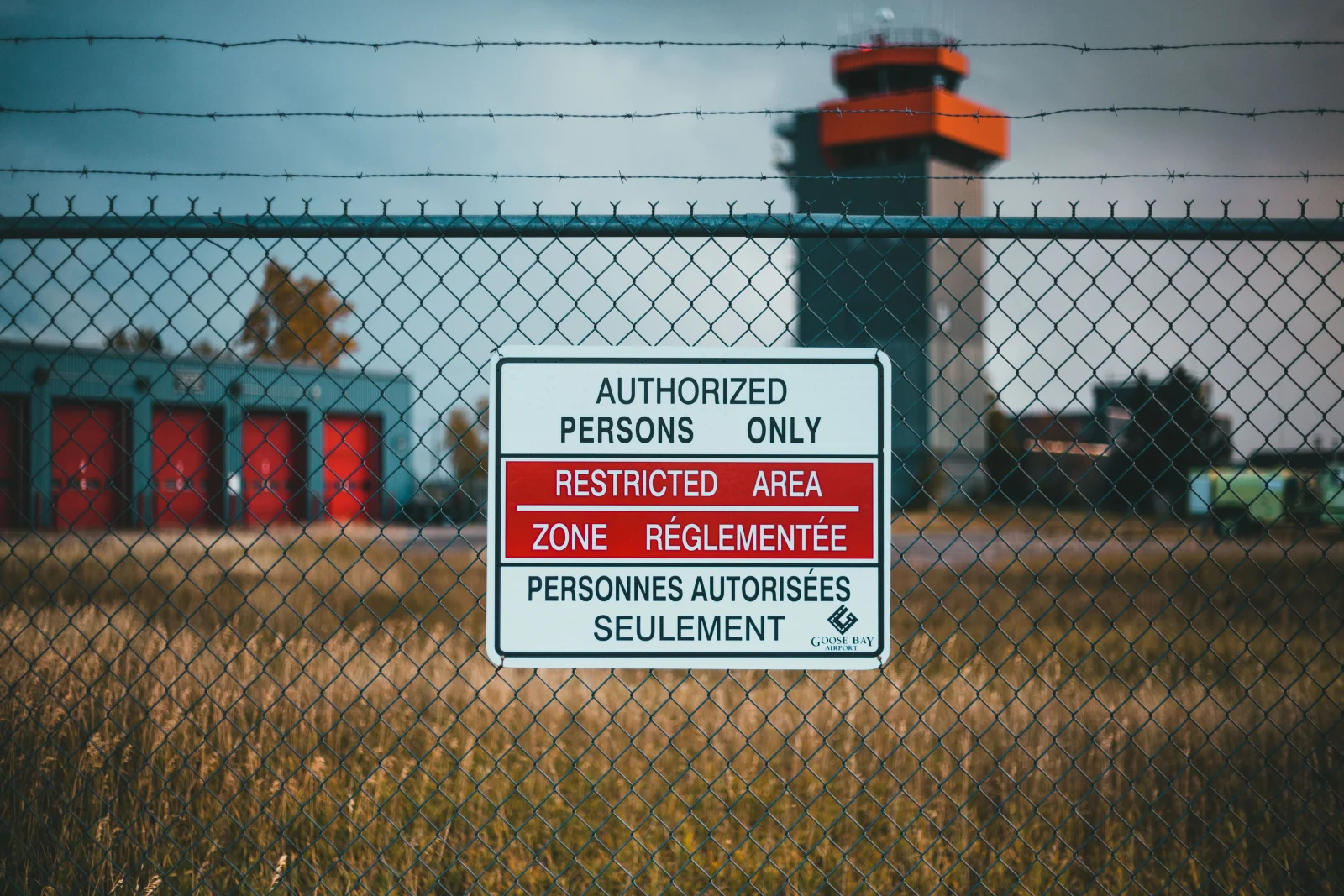
In the realm of API security, authorization boundaries often serve an essential, yet understated, role. By defining the access permissions for each component within a coordinated system, they prevent any unauthorized element from exceeding its allowed permissions. As systems become more intricate, comprehending these boundaries becomes increasingly vital.
Chapter 01
Understanding Authorization Boundaries
Authorization boundaries act as the gatekeepers of orchestration, determining what actions agents can perform within a system.
How Boundaries Function
In the world of agentic orchestration, authorization boundaries help define the operational scope of autonomous agents, ensuring they work within set limits and safeguarding against unauthorized access and data leaks.
Importance of Boundaries
- Security Assurance: Defining agents’ access ensures protected data remains untouched by unauthorized manipulation.
- Operational Integrity: Boundaries keep operations secure by allowing agents to execute only their sanctioned tasks.
- Scalability: As systems expand, these boundaries efficiently manage complexity by clearly outlining permissions.

In the realm of API security, authorization boundaries often serve an essential, yet understated, role.
Chapter 02
Implementing Dynamic Boundaries
Dynamic boundaries adapt to real-time changes, enhancing security and system responsiveness.
Embracing Change
Static boundaries provide a sturdy framework, whereas dynamic boundaries add a layer of adaptability. They adjust to the current environment, ensuring that security remains effective amidst new threats.
Benefits of Dynamic Boundaries
- Flexibility: Adjust permissions based on the current situation and emerging threats.
- Immediate Reaction: Respond quickly to unauthorized activities, reducing the impact of potential security breaches.
- Optimal Resource Use: Enhance resource allocation by refining agent permissions as circumstances demand.
Narrative flow
Scroll through the argument
01
Initial Setup
Define static boundaries to establish a baseline of security.
02
Monitoring
Continuously monitor agent activities to detect anomalies.
03
Adjustment
Adapt boundaries dynamically based on real-time data and threat analysis.
Dynamic Boundary Implementation



Chapter 03
Practical Applications
Implementing authorization boundaries in real-world scenarios illustrates their importance and effectiveness.
Utilizing Boundaries in Practice
Imagine a financial API involved in handling sensitive transactions. By establishing strict authorization boundaries, the system ensures only authorized agents can initiate these transactions, thereby safeguarding against illicit access.
Code in Practice
The following code snippet sets up a basic authorization boundary for an API endpoint, highlighting its practical application:
const express = require('express');
const app = express();

const checkAuth = (req, res, next) => {
if (req.user && req.user.role === 'admin') {
  next();
} else {
  res.status(403).send('Forbidden');
}
};

app.get('/secure-data', checkAuth, (req, res) => {
res.send('This is sensitive data');
});

app.listen(3000, () => console.log('Server running on port 3000'));
This code checks whether a user has the ‘admin’ role before granting access to sensitive information, demonstrating fundamental authorization boundary use.
As systems continue to evolve, maintaining strong authorization boundaries is critical. They are instrumental not only in keeping threats at bay but also in ensuring that each system component operates securely and efficiently.