The Heart of Computing
Understanding CPU Architecture
A deep dive into the journey from concept to a functional CPU.
At the core of every digital device lies a CPU, or central processing unit, often referred to as the brain of the computer. Its journey from a mere concept to a fully operational calculator is an intricate dance of design, innovation, and precision engineering. This article takes you through the fascinating stages of CPU development, emphasizing the architectural marvels that make modern computing possible.
Chapter 01
The Conceptual Blueprint
The journey begins with a conceptual blueprint, where ideas transform into tangible designs.
The Birth of a CPU
Designing a CPU starts with an abstract idea—a vision of what the processor should achieve. This phase involves defining the architecture, which outlines the CPU’s capabilities, instruction sets, and data handling efficiencies.
- Instruction Set Architecture (ISA): Defines the commands the CPU can perform.
- Microarchitecture: Details the implementation of the ISA.
- Clock Speed: Determines how fast the CPU can perform operations.
- Core Count: Impacts multitasking abilities.
- Cache Size: Affects data retrieval speed.
- Thermal Design Power (TDP): Guides thermal management.
From Blueprint to Silicon
Once the architecture is defined, engineers create detailed schematics. These blueprints are translated into electronic circuits on a silicon wafer, a process that requires nanometer precision. This step is crucial as it determines the efficiency and performance of the final product.
Historical Context
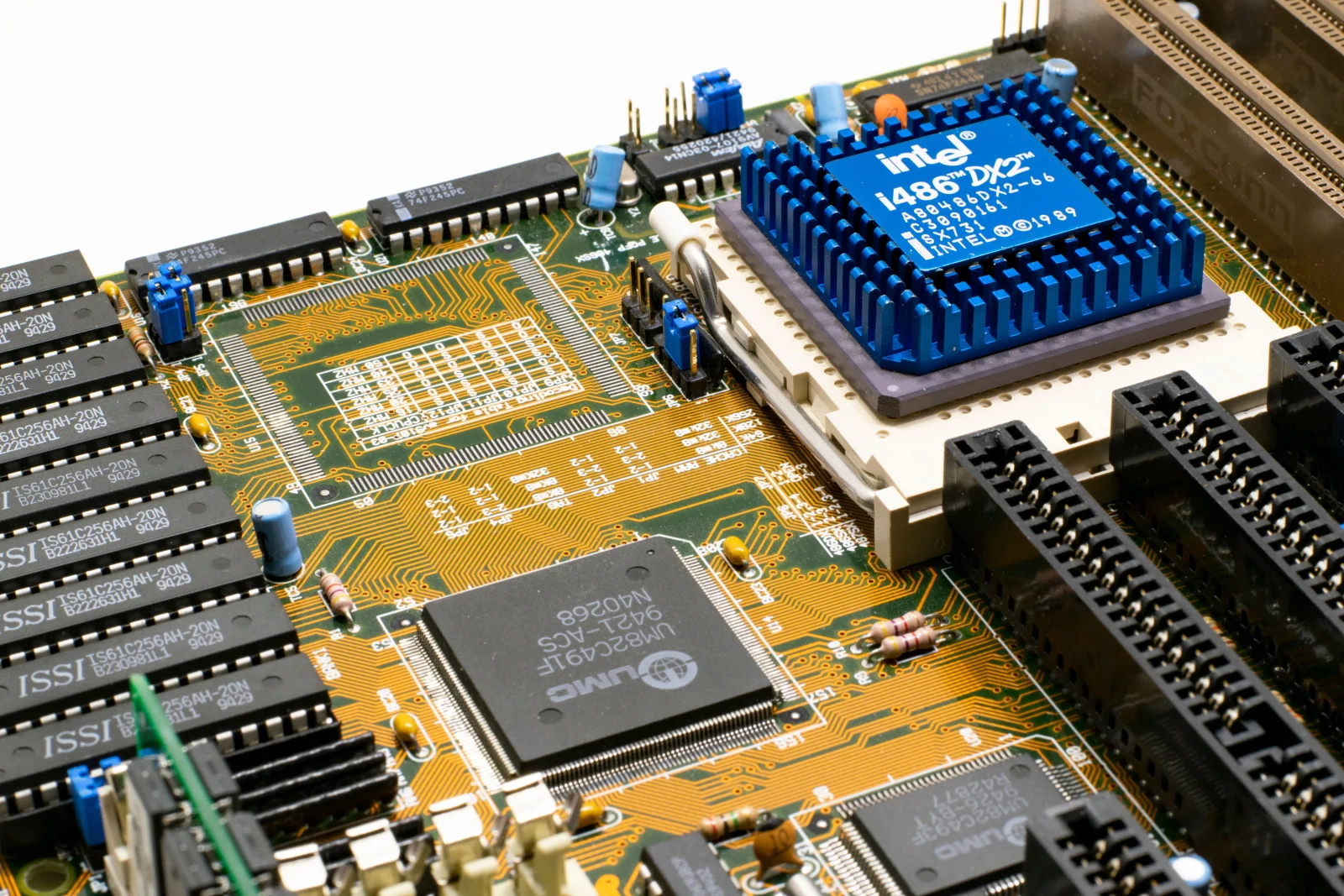
The evolution of CPU architecture has been marked by significant milestones. From the first microprocessors in the 1970s, like the Intel 4004, to today’s multi-core giants, each generation has pushed the boundaries of computing power.

At the core of every digital device lies a CPU, or central processing unit, often referred to as the brain of the computer.
Chapter 02
Manufacturing and Testing
Translating design into reality involves sophisticated manufacturing and rigorous testing processes.
Narrative flow
Scroll through the argument
01
Photolithography
This process uses light to transfer a geometric pattern from a photomask to a light-sensitive chemical 'photoresist' on the substrate.
02
Etching
Post-photolithography, etching removes layers to create the intricate circuits that form a CPU.
03
Testing
Each CPU undergoes extensive testing to ensure reliability and performance before hitting the market.
Detailed Example
Photolithography is akin to developing a photograph. A light-sensitive film captures the CPU’s design, which is then ‘developed’ through a series of chemical processes. This step is repeated multiple times to build up the layers of transistors and interconnections.
A Related Angle
The complexity of CPU manufacturing is matched by the precision of its testing. Modern CPUs undergo stress tests that simulate real-world conditions, ensuring they can handle everything from basic calculations to intensive gaming.
Common Misconceptions
One common misconception is that more cores always mean better performance. While more cores can enhance multitasking, the architecture and software optimization play pivotal roles in determining actual performance gains.
Inside the CPU Factory
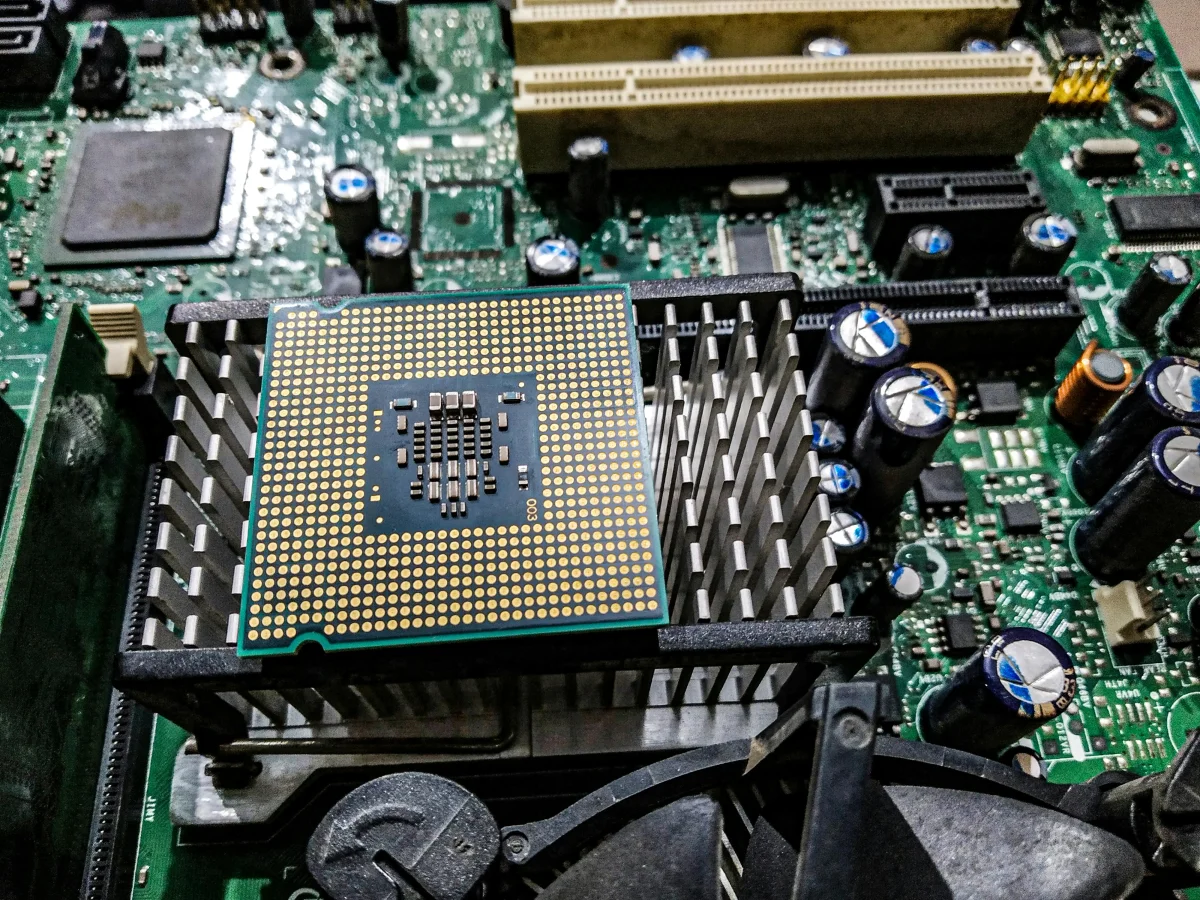

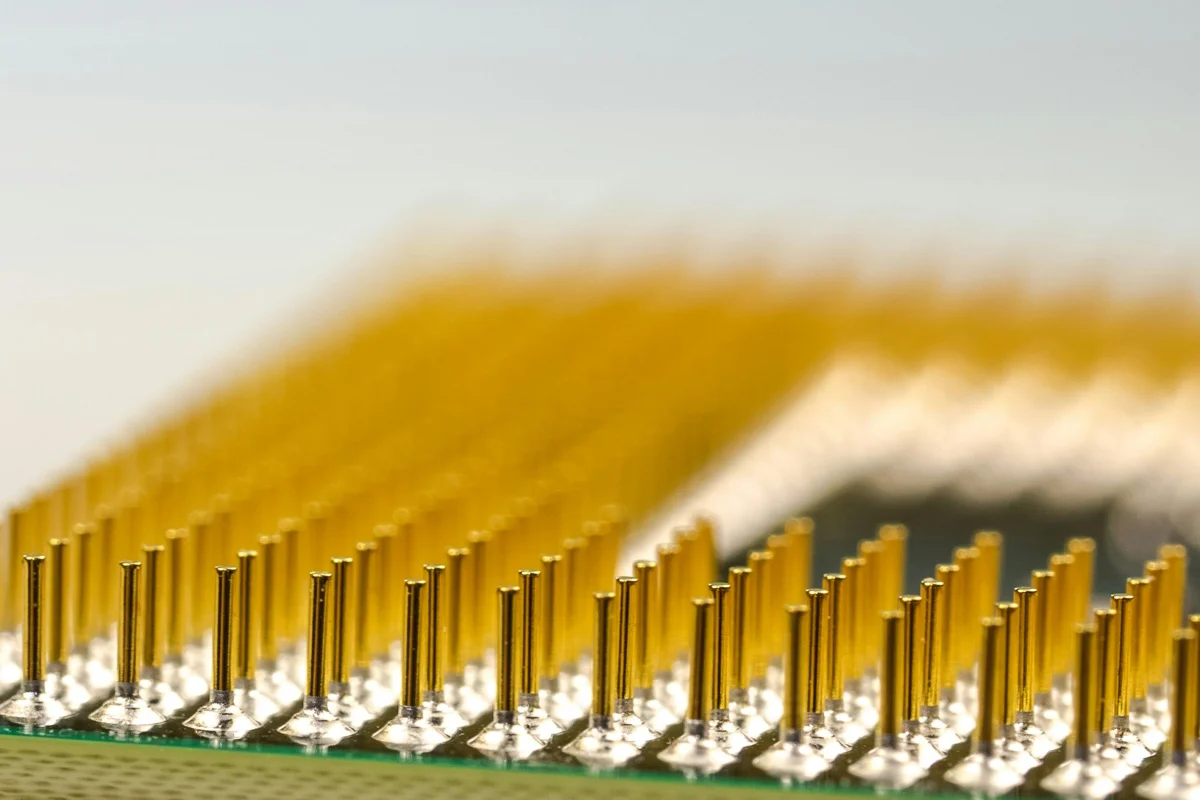
The meticulous journey from concept to calculator is a testament to the advances in CPU architecture and manufacturing technology. Each stage, from design to testing, requires an unparalleled level of precision and innovation. The CPUs we rely on today are the result of decades of engineering breakthroughs and relentless pursuit of efficiency.
Chapter 03
The Future of CPU Design
As technology evolves, so does CPU architecture, promising even more groundbreaking advancements.
Pioneering the Next Frontier
The future of CPU design lies in pushing beyond current limits. As processors become more powerful, energy efficiency and integration with AI technologies are becoming increasingly important.
- Energy Efficiency: Reducing power consumption while maintaining performance.
- AI Integration: Embedding AI capabilities directly into the CPU.
- Quantum Computing: Exploring beyond binary processing.
- Advanced Materials: Using materials that allow for faster, more efficient processing.
- 3D Chip Stacking: Enhancing performance by stacking multiple layers of silicon.
Case Study: AI and CPUs
AI’s role in CPU design is growing, with processors optimized for machine learning tasks emerging. These CPUs are designed to handle complex algorithms and large datasets, making them ideal for AI applications.
Best Practices in Design
To stay ahead, companies focus on research and development, constantly testing new materials and architectures. Collaboration across disciplines is essential, bringing together experts in physics, chemistry, and computer science to innovate.
Chapter 04
The Lasting Impact
The implications of CPU advancements extend far beyond computing, affecting numerous aspects of daily life.
Framing the Future
As CPUs continue to evolve, they drive innovation in every sector, from healthcare to transportation. Understanding this journey enriches our appreciation of the technology that powers our world.
Practical Implementation
For developers and engineers, staying updated on CPU advancements is crucial. Knowing the latest trends in architecture can lead to more efficient software and applications.
Trade-offs and Caveats
While the potential of new CPU technologies is vast, challenges such as heat dissipation and cost remain significant. Balancing performance with sustainability will be key to future developments.
The CPU, a small yet powerful component, has revolutionized our interaction with technology. Its journey from concept to calculator epitomizes the spirit of innovation. As we stand on the brink of new frontiers, the possibilities for CPU design are boundless, driven by the unyielding quest for progress.