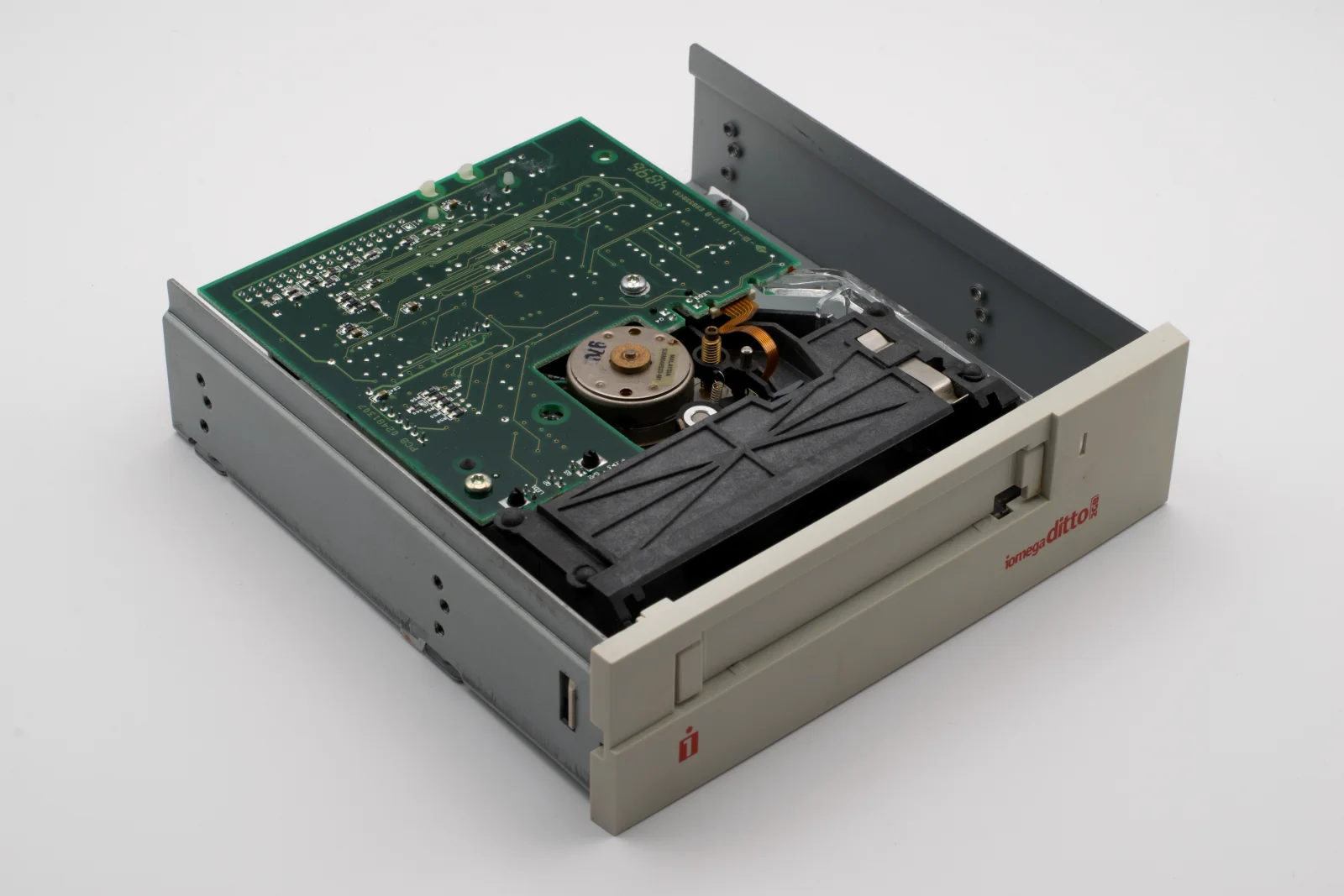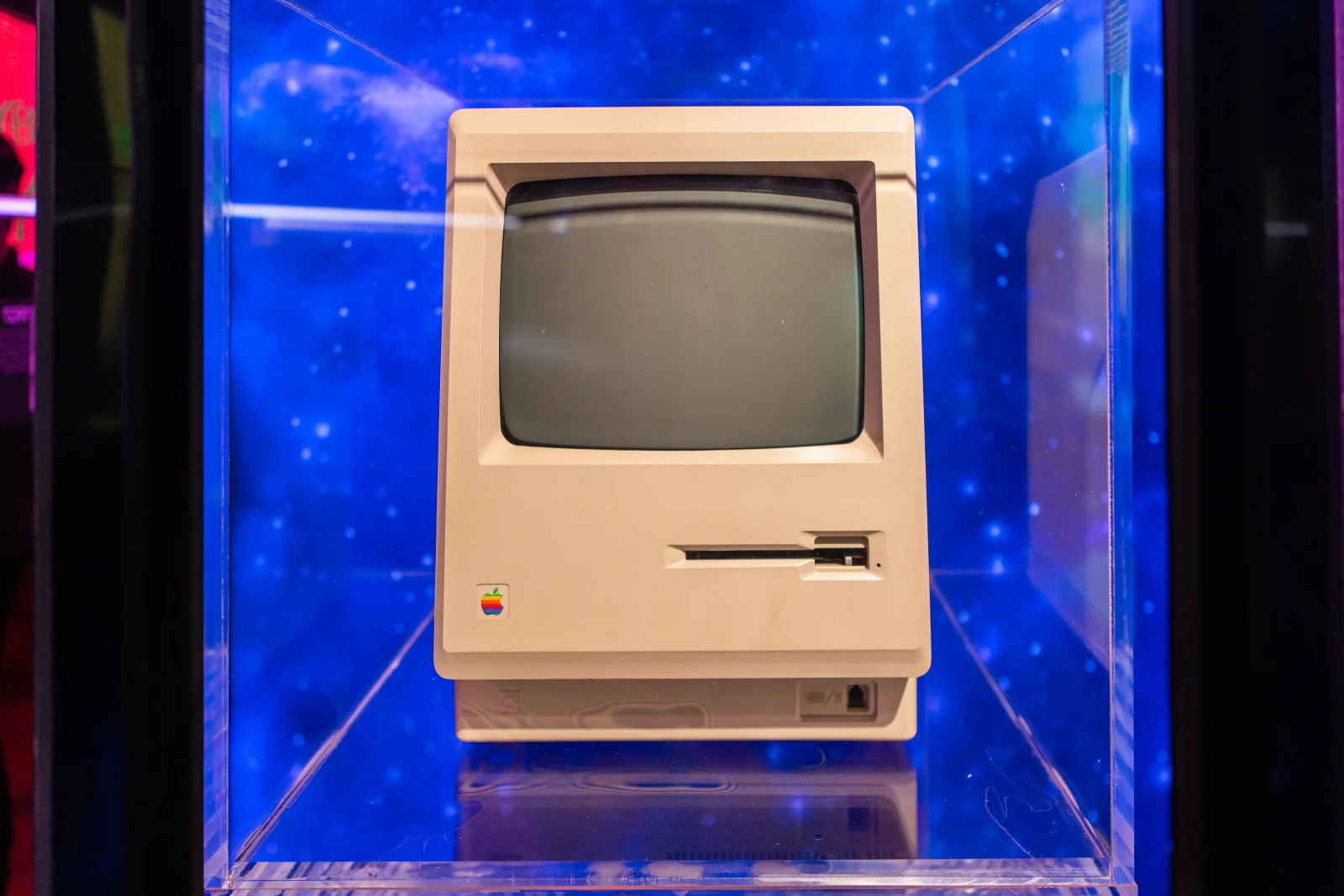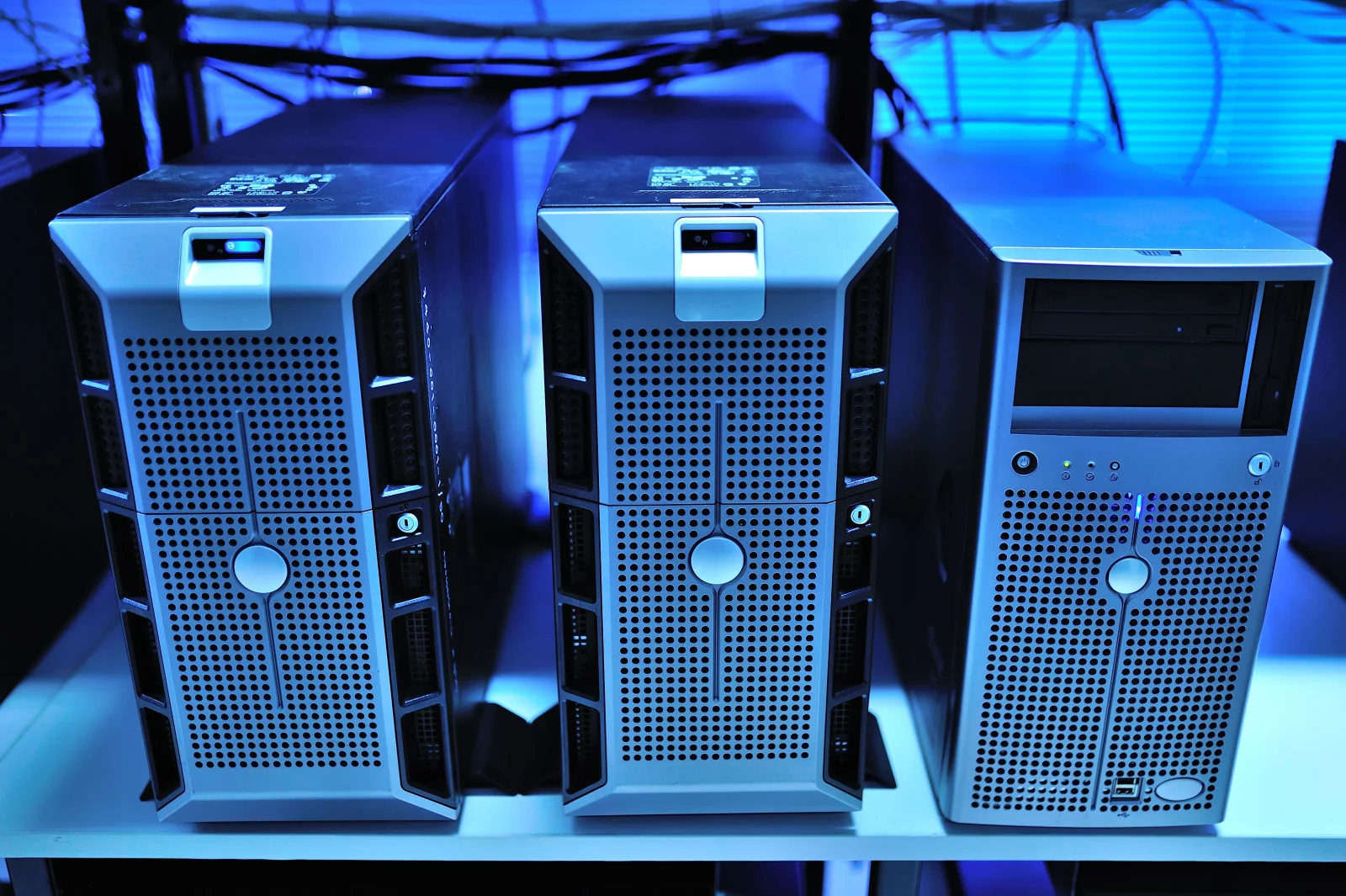
In an era dominated by cutting-edge technology, the allure of vintage hardware is paradoxical yet profound. Imagine harnessing the computational power of yesterday’s machines to propel today’s innovations. This isn’t just an exercise in nostalgia; it’s a testament to the hidden potential and resilience of retro tech.
Chapter 01
The Genesis of Retro Supercomputing
Exploring the roots and rationale behind converting vintage tech into modern-day supercomputers.
The Allure of Vintage Components
In a world that thrives on the new, why turn to the old? Vintage hardware offers a unique combination of affordability and availability, especially for those willing to dive into the world of second-hand markets and auctions. These components were built to last, often outliving their modern counterparts in terms of durability.
- Cost Efficiency: For enthusiasts and educational institutions, building a supercomputer from vintage parts can be a cost-effective alternative to purchasing new, expensive hardware.
- Nostalgia Meets Functionality: There’s a certain charm in bringing old technology back to life, coupled with the satisfaction of achieving modern computing feats with historic equipment.
- Educational Value: The process of assembling and optimizing these systems provides invaluable learning opportunities, particularly in understanding the evolution of computing technology.
Strategic Component Selection
Building a powerful system from vintage parts demands strategic selection and integration. It’s not just about collecting old parts; it’s about understanding their capabilities and how they can work in concert to achieve a common goal. Key considerations include:
- Compatibility: Ensuring that components can communicate effectively is crucial. This often involves bridging different generations of technology.
- Performance Optimization: Tweaking and overclocking older parts can yield surprising performance gains, transforming them into computational powerhouses.
- Networking Capabilities: Proper networking is essential to leverage the combined power of multiple vintage units, effectively creating a cohesive supercomputing cluster.
Chapter 02
Crafting the Retro Supercomputer
Delving into the practical steps and challenges of assembling a supercomputer from vintage hardware.
Narrative flow
Scroll through the argument
01
Identify the Core Components
Start by selecting the most promising CPUs, motherboards, and RAM from available vintage stock.
02
Network the Units
Set up a robust network to ensure seamless communication between the components, maximizing processing power.
03
Optimize Performance
Through careful tuning and overclocking, enhance the efficiency and speed of the assembled supercomputer.
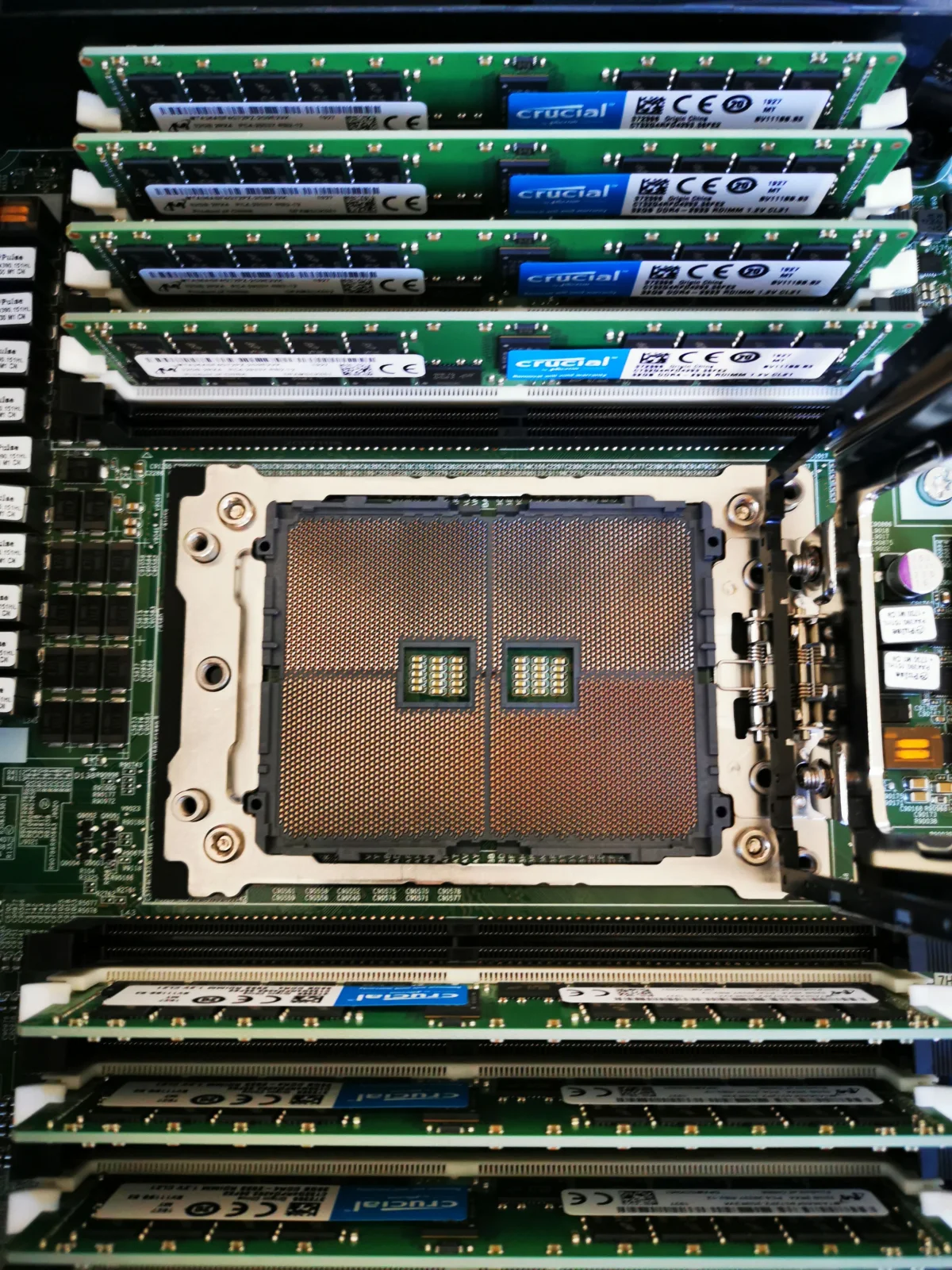
Vintage hardware offers a unique combination of affordability and availability, especially for those willing to dive into the world of second-hand markets and auctions.
A computing enthusiast
Overcoming the Challenges
Despite their potential, vintage components come with their own set of challenges. Energy inefficiency and potential hardware failures are common hurdles that require careful management. To mitigate these, enthusiasts often employ:
- Redundant Systems: Building backups into the supercomputer’s architecture to safeguard against potential failures.
- Cooling Solutions: Implementing effective cooling systems to manage heat output, a common issue with older hardware.
- Software Integration: Ensuring modern software can run on outdated hardware through emulation or alternative operating systems.
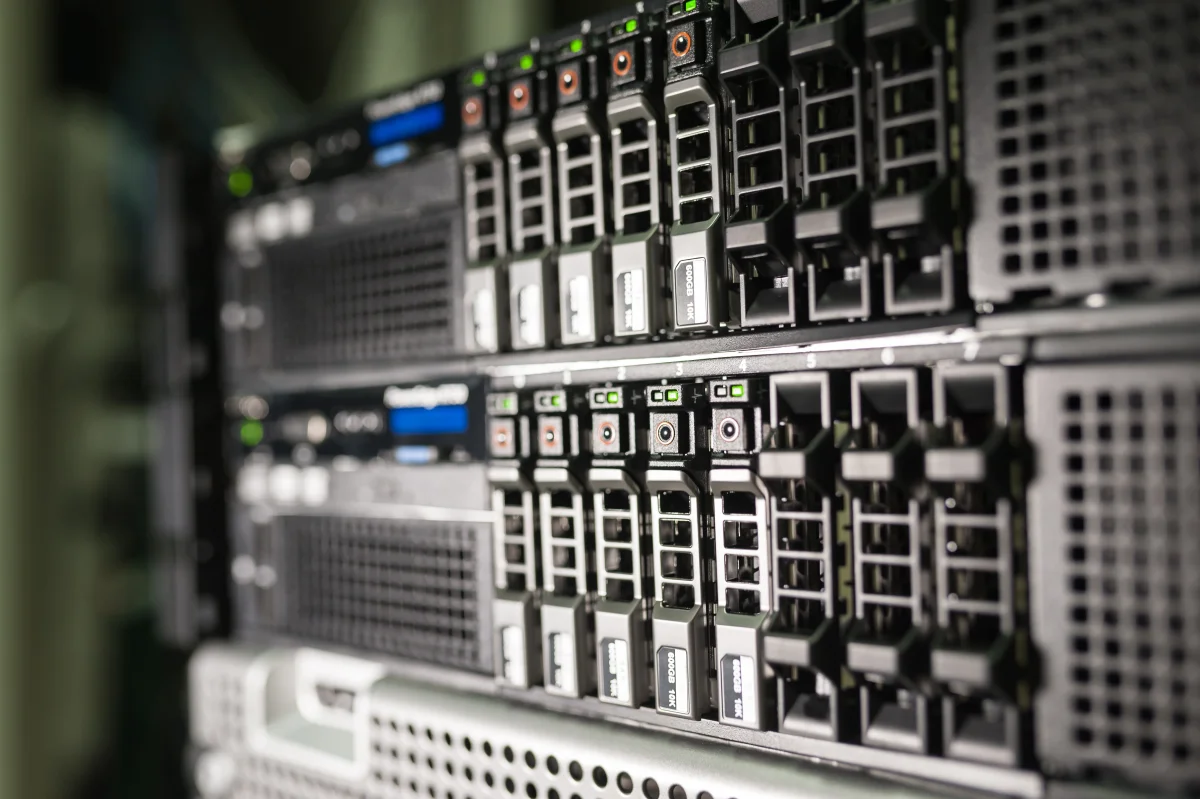
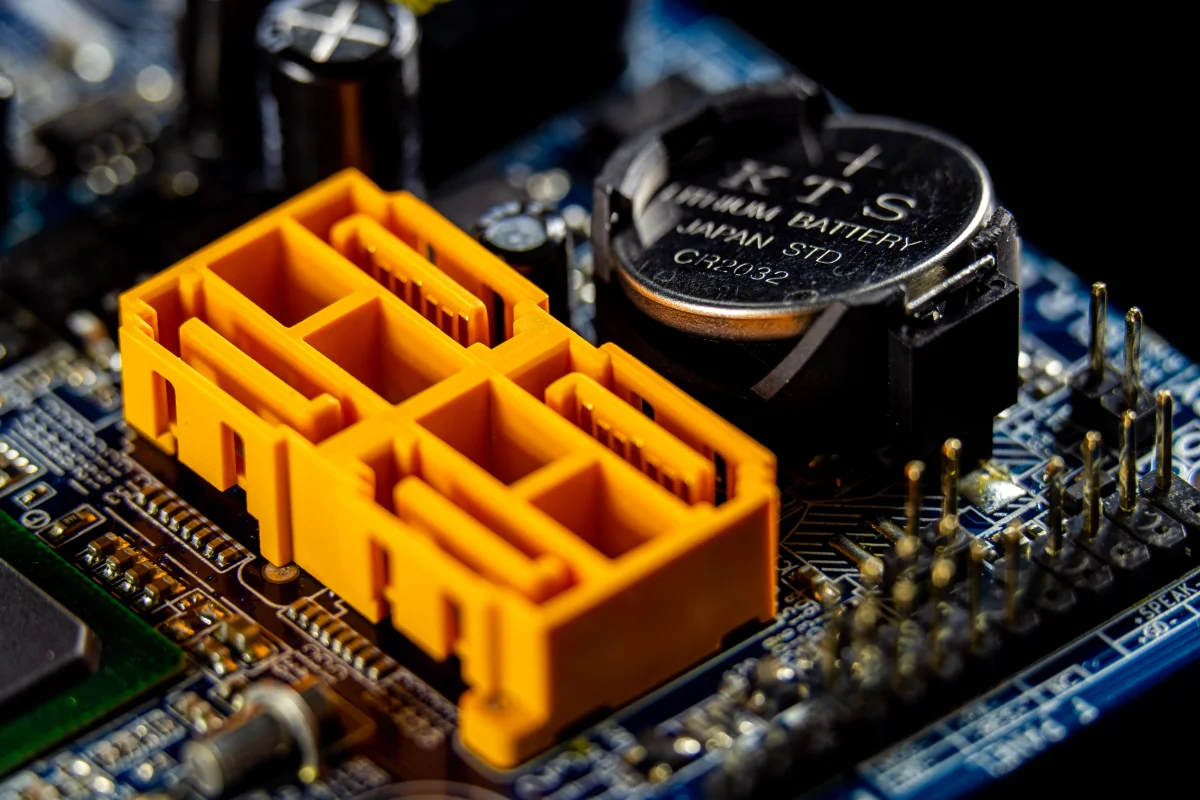
The Retro Supercomputing Journey

Chapter 03
The Future of Vintage Supercomputing
Evaluating the role of retro computing in today's technological landscape and its potential future impact.
A Niche Yet Promising Path
The world of vintage supercomputing is niche, but it offers promising opportunities for specific applications where cost and education outweigh the need for cutting-edge speed. As educational tools and budget-conscious solutions, these systems have a unique place.
- Research and Development: Ideal for projects where experimentation is key, without the risk of damaging expensive modern hardware.
- Historical Computing: Preserving and understanding the roots of computing by operating systems and software from bygone eras.
- Community and Collaboration: A thriving community exists for enthusiasts of retro computing, providing support and shared knowledge.
Ultimately, building supercomputers from vintage hardware is a testament to human ingenuity and resourcefulness. By looking back, we gain insights into moving forward, proving that even the oldest technologies can find new life in the modern age.