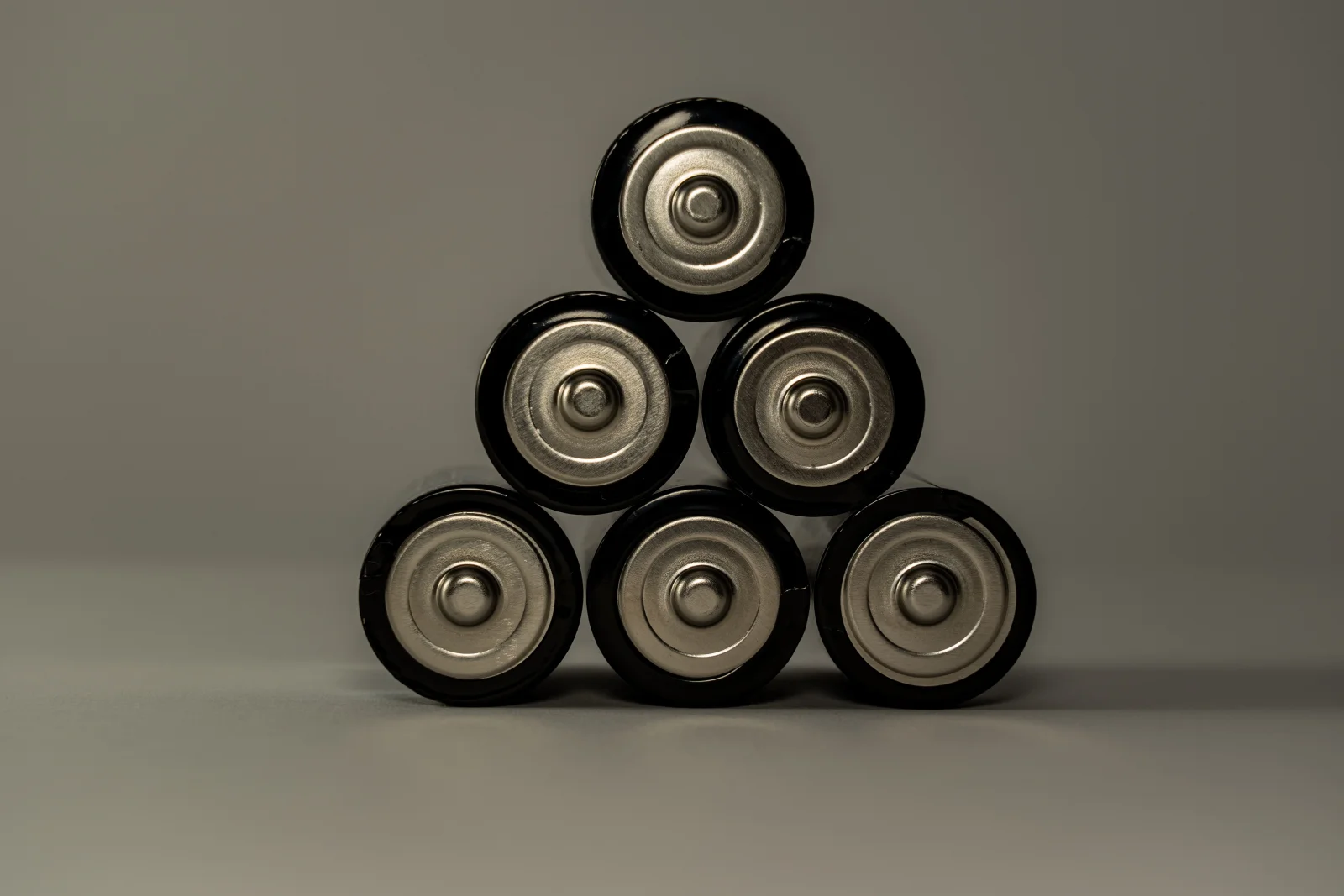
In a significant leap forward, CATL’s sodium battery technology has hit a major milestone: achieving cost parity with lithium iron phosphate (LFP) batteries by 2026. This breakthrough promises to reshape the energy storage landscape, leveraging the abundant availability of sodium to offer a more sustainable alternative. As we delve into the implications, it’s clear that this advancement could redefine economic and environmental strategies in the sector.
Chapter 01
The Rise of Sodium Batteries
Understanding the journey and technological strides that have brought sodium batteries to the forefront of energy storage innovation.
Abundance and Accessibility
Sodium, unlike lithium, is an abundant resource, making it a cost-effective choice for battery production. This accessibility is crucial as the demand for batteries surges with the proliferation of electric vehicles and renewable energy technologies. The transition to sodium not only addresses supply chain vulnerabilities but also reduces environmental impacts associated with lithium extraction and processing.
Overcoming Technical Hurdles
The path to cost parity hasn’t been without challenges. Earlier sodium battery models faced issues with lower energy density and shorter lifespan compared to their LFP counterparts. However, recent innovations in electrode materials and electrolyte formulations have significantly mitigated these drawbacks, paving the way for competitive performance metrics.
For industries reliant on stable and affordable energy storage solutions, these advancements mean more than just a cost shift — they represent a strategic pivot towards sustainability.
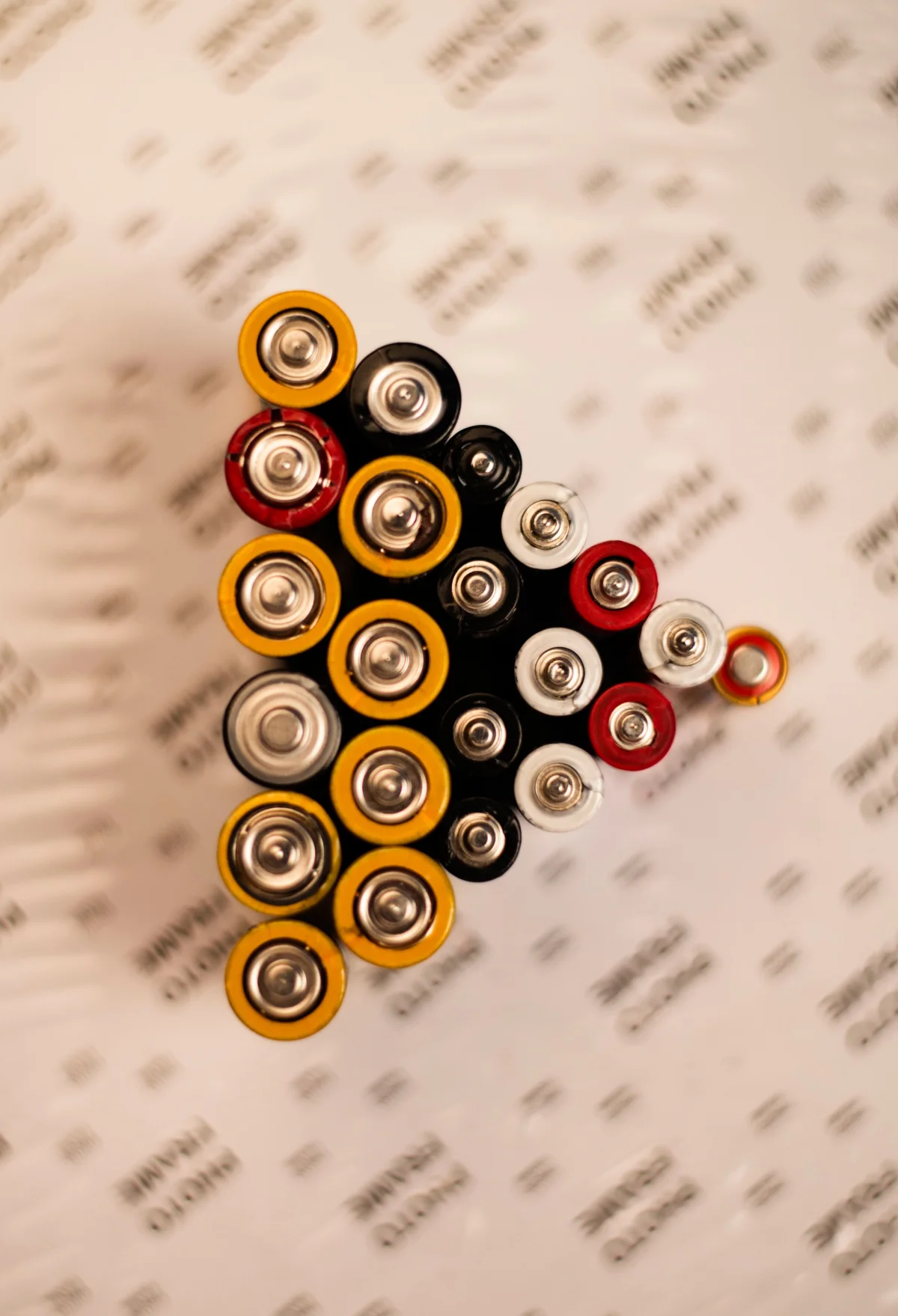
In a significant leap forward, CATL's sodium battery technology has hit a major milestone: achieving cost parity with lithium iron phosphate (LFP) batteries by 2026.
Battery Technology Analyst
Chapter 02
Implications for the Industry
Exploring how sodium batteries achieving cost parity impacts various sectors, from automotive to renewable energy.
A New Era for Electric Vehicles
Electric vehicles (EVs) stand to benefit immensely from sodium batteries. With cost reductions, manufacturers can offer more affordable EV options, potentially accelerating mass adoption. Furthermore, sodium’s resource availability aligns with the automotive industry’s shift towards more sustainable production practices.
Narrative flow
Scroll through the argument
01
Cost Efficiency
Sodium's lower material costs reduce overall battery expenses, creating more accessible options for consumers.
02
Scalability
The ease of sourcing sodium enhances scalability, supporting larger production volumes without the bottlenecks associated with lithium.
03
Sustainability
Leveraging sodium contributes to a smaller environmental footprint, aligning with global sustainability goals.
Grid Storage Opportunities
Beyond vehicles, grid storage solutions are poised for transformation. Sodium batteries offer a viable alternative for large-scale energy storage, enabling more efficient integration of renewable energy sources like solar and wind. This could revolutionize how energy is stored and distributed, supporting a more resilient and sustainable grid infrastructure.
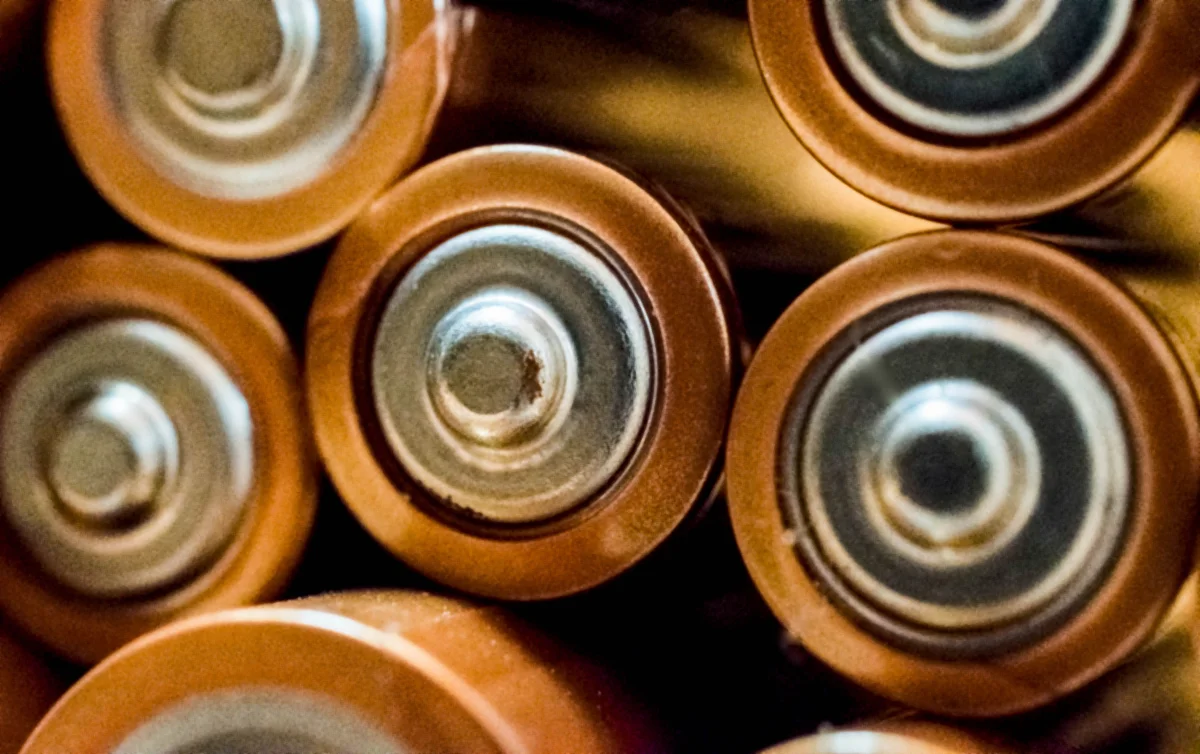
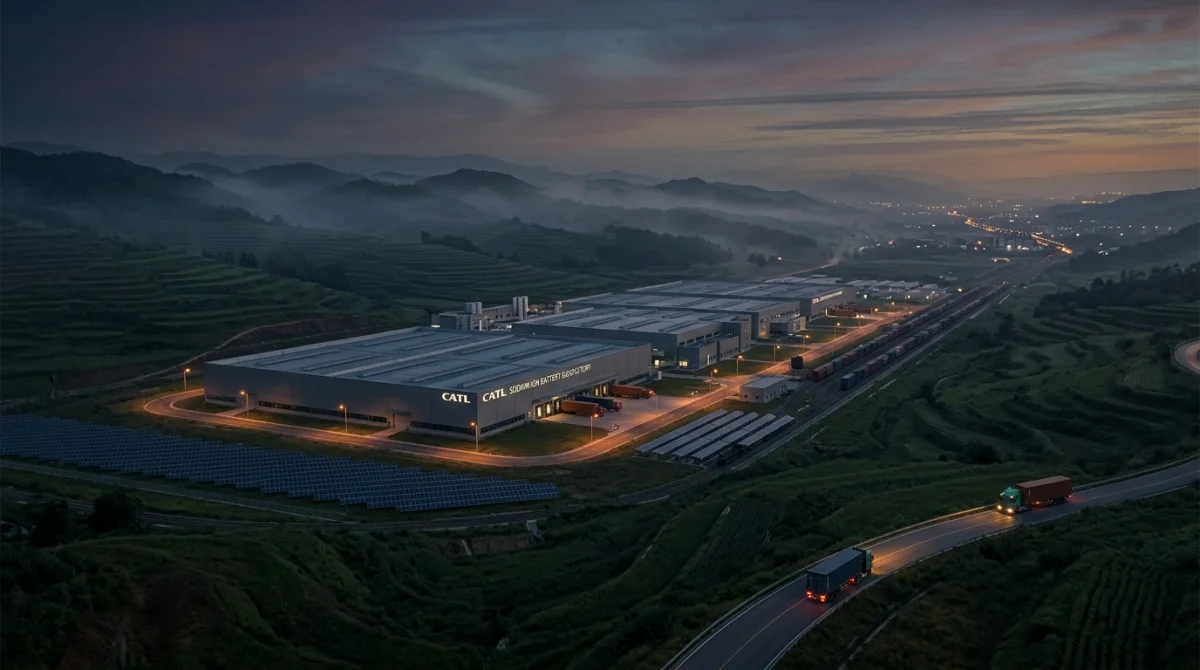
Visualizing Sodium's Impact

Challenges and the Road Ahead
Despite these advancements, sodium batteries are not without their limitations. Energy density remains a concern, as does the challenge of scaling production to meet global demands. Continuous research and development are essential to overcome these hurdles and fully capitalize on the potential of sodium technology.
As CATL’s sodium technology reaches new heights, the industry stands on the brink of a transformative era. The balance between cost, sustainability, and performance is delicate, but the strides made in 2026 signal a promising future. The journey of sodium batteries is just beginning, and its impact on energy storage is set to resonate for years to come.