Strategic Insights
Streamline AI Operations with Smart Routing
Unlock the potential of your AI tools by implementing efficient multi-model routing strategies that save costs and enhance performance.
When managing AI tools, the challenge often lies in balancing performance with cost efficiency. As AI models become more complex and varied, routing strategies must evolve to keep up. Multi-model routing emerges as a powerful solution, allowing businesses to dynamically allocate resources and optimize performance without overspending. This article explores the principles and strategies behind effective multi-model routing.
Chapter 01
Understanding Multi-Model Routing
Explore the fundamentals of multi-model routing and how it transforms AI tool management.
The Basics of Multi-Model Routing
Multi-model routing is the process of directing requests to the most suitable AI model based on specific criteria, such as model performance, cost, or availability. It ensures that the right model is used for the right task, maximizing efficiency.
- Dynamic Allocation: Adjusts resources in real-time based on current demand.
- Cost Management: Prioritizes models that provide the best cost-performance ratio.
- Performance Monitoring: Continuously evaluates model output for quality assurance.
- Scalability: Supports seamless integration of additional models as needed.
- Redundancy: Provides fallback options to maintain service continuity.
- Customizability: Allows tailored routing rules to suit specific business goals.
The Impact of Efficient Routing
Efficient routing leads to significant improvements in resource utilization and operational cost savings. By leveraging advanced algorithms, businesses can ensure that each request is handled by the most appropriate model, thus enhancing overall service quality.
Historical Context and Evolution
The concept of routing in AI is not new. Initially used in basic load balancing, the approach has evolved significantly with advancements in AI and machine learning. Today, multi-model routing incorporates sophisticated algorithms that predict the best paths for data, adapting to both anticipated and real-time changes in demand.

Optimizing AI operations through smart routing is not just beneficial—it's essential in a competitive landscape.
Andrew Ng
Chapter 02
Implementing Multi-Model Routing
Dive into the practical steps of deploying a multi-model routing strategy.
Narrative flow
Scroll through the argument
01
Step 1: Assess Your Models
Evaluate each model’s strengths, weaknesses, and cost implications. This assessment forms the foundation of your routing strategy.
02
Step 2: Develop Routing Criteria
Define criteria based on performance metrics, cost efficiency, and specific task requirements. Use these criteria to guide routing decisions.
03
Step 3: Implement and Monitor
Deploy the routing strategy and continuously monitor its effectiveness. Adjust as necessary to respond to changes in demand or model performance.
Developing Routing Criteria
In developing routing criteria, consider factors such as latency, throughput, and accuracy. Each criterion should align with your overall business goals, ensuring that routing decisions contribute to desired outcomes.
Real-World Example: E-commerce Platforms
Consider an e-commerce platform that uses AI for product recommendations. By implementing multi-model routing, the platform can dynamically select models that offer the best conversion rates during peak shopping periods while minimizing costs during off-peak times.
Common Pitfalls and Misconceptions
A common misconception is that more models automatically equate to better performance. In reality, without proper routing, additional models can lead to increased complexity and cost. Ensuring that each model serves a distinct purpose is crucial.
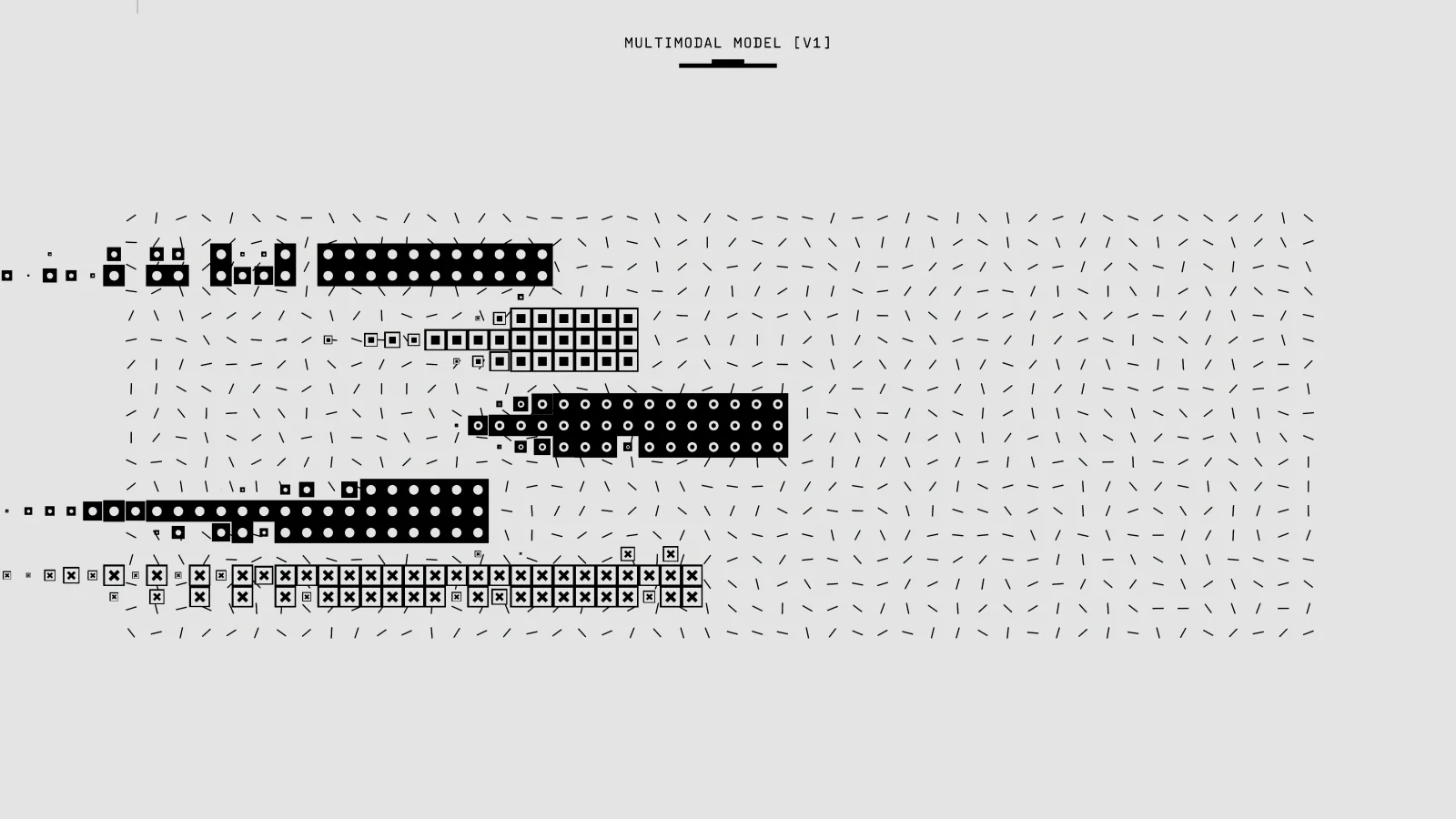
Visualizing Multi-Model Routing



The middle ground of multi-model routing lies in the balance between performance and cost. As AI technologies continue to advance, businesses must adopt strategies that are both flexible and scalable. Multi-model routing offers a robust framework to achieve these goals, providing a pathway to enhanced efficiency and reduced expenses.
Chapter 03
Future of Multi-Model Routing
Explore the future implications and possibilities of multi-model routing in AI.
What’s Next for Multi-Model Routing?
The future of multi-model routing is promising, with potential enhancements in AI-driven decision-making and predictive analytics. As models become more specialized, routing strategies will need to adapt, incorporating increasingly complex criteria.
- AI-Driven Decision Making: Leveraging AI to automate routing decisions.
- Predictive Analytics: Using data insights to anticipate routing needs.
- Increased Specialization: Models targeting niche tasks, requiring tailored routing.
- Integration with IoT: Expanding routing strategies to encompass IoT devices.
- Collaborative AI Networks: Models working in tandem for more comprehensive solutions.
- Adaptive Algorithms: Algorithms that learn and evolve with usage patterns.
Practical Implementation and Next Steps
For businesses looking to implement multi-model routing, starting with a pilot project can be beneficial. This allows for testing and refinement of routing strategies in a controlled environment before full-scale deployment.
Considerations and Trade-Offs
While multi-model routing offers many benefits, it also requires a careful balance of complexity and simplicity. Over-engineering routing strategies can lead to diminishing returns, so it’s important to focus on core objectives and continually reassess criteria and performance.
In the world of AI, multi-model routing stands as a testament to strategic innovation. By efficiently directing resources and optimizing performance, businesses can unlock new potentials, ensuring that AI remains a powerful ally in achieving their goals. The journey is ongoing, and the possibilities are vast.