
Innovative Development
The Dawn of Agent-Based Workflows
Cursor introduces a paradigm shift in coding efficiency and automation with its agent-based workflows.
In a world where technology evolves at a breakneck pace, Cursor has introduced a groundbreaking advancement in software development: the agent-based coding workflow. This innovation promises to revolutionize how developers interact with code, bringing AI to the forefront of the development process. As teams strive to enhance productivity and creativity, Cursor’s approach offers a new way to automate mundane tasks and empower developers to focus on strategic problem-solving. The stakes are high, with productivity gains and reduced time-to-market on the line.
Chapter 01
Understanding Agent-Based Workflows
Explore the fundamental concepts behind agent-based coding and its potential impacts on the development landscape.
The Mechanics of Agent-Based Workflows
Agent-based workflows leverage artificial intelligence to manage coding tasks, acting as virtual assistants that streamline the development process. These agents can automate repetitive tasks, such as code formatting and error checking, freeing developers to concentrate on more complex problems. This section delves into the principles behind these workflows and their practical applications.
- Automates routine coding tasks
- Enhances code quality with real-time feedback
- Integrates seamlessly with existing development environments
- Reduces cognitive load on developers
- Facilitates continuous learning and adaptation
- Supports collaborative development practices
Historical Context
The concept of automation in coding isn’t new. Over the years, various tools have attempted to simplify development tasks. However, the integration of AI as autonomous agents marks a significant evolution. By learning from past interactions, these agents become more adept at anticipating developer needs, making them invaluable in dynamic coding environments.
The Technical Foundation
Agent-based workflows are built on machine learning models that analyze patterns in codebase interactions. These models are trained to understand the context and intent behind code snippets, enabling them to make informed decisions. This capability transforms agents from mere assistants into proactive contributors to the development process.

Agent-based workflows are not just a tool; they're a partnership with AI that enhances human creativity.
Dr. Elena Moore, AI Researcher
Chapter 02
Implementing Agent-Based Workflows
Discover the step-by-step approach to integrating agent-based workflows into your development process.
Narrative flow
Scroll through the argument
01
Identify Repetitive Tasks
Begin by cataloging tasks that consume significant time, such as code reviews, bug fixes, and documentation. These are prime candidates for automation.
02
Select the Right Tools
Evaluate and choose agent-based platforms that align with your existing tools and coding languages. Consider compatibility and ease of integration.
03
Train Your Agents
Customize and train agents to understand your codebase and development style. The more data they process, the more accurate and helpful they become.
04
Monitor and Optimize
Continuously monitor agent performance and provide feedback. Regularly update AI models to incorporate new coding standards and practices.
Detailed Example: Automating Code Reviews
To illustrate the power of agent-based workflows, consider automating code reviews. Traditionally, this task is time-consuming and prone to human error. By deploying an AI agent, you can ensure that code is consistently reviewed against predefined standards, with suggestions for improvement provided in real-time.
const codeReviewAgent = new CodeReviewAgent({
standards: ['ESLint', 'Stylelint'],
feedbackMode: 'real-time'
});

codeReviewAgent.analyzeCode('src/app.js')
.then(feedback => displayFeedback(feedback))
.catch(error => console.error('Review failed:', error));
Related Concepts
The use of AI in coding extends beyond workflow automation. Technologies such as natural language processing (NLP) are being integrated into development environments to facilitate more intuitive interactions with code, enabling developers to ‘converse’ with their tools in more natural ways.
Common Pitfalls
While agent-based workflows offer numerous benefits, developers must be cautious of over-reliance. There is a risk of complacency, where developers may trust AI outputs without critical evaluation, leading to potential oversights and errors.
Agent-Based Workflow in Action


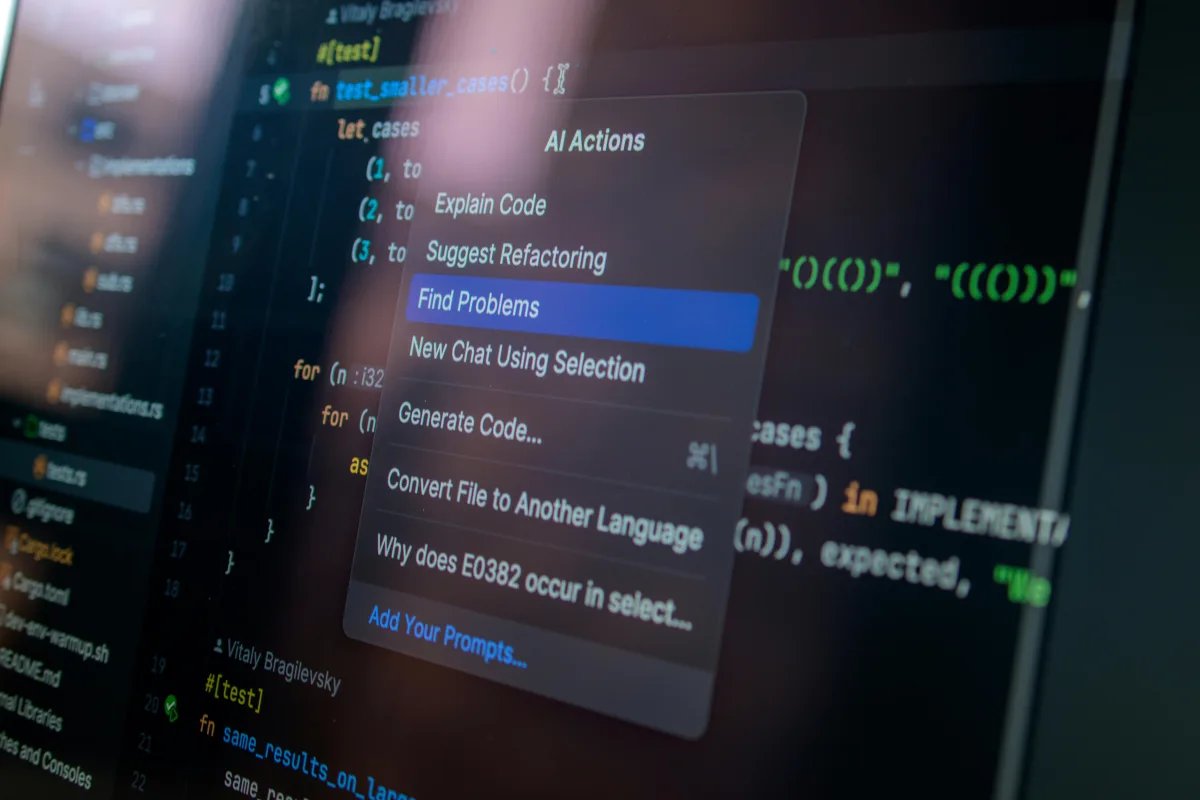
As development teams integrate agent-based workflows, the potential for increased productivity and innovation becomes apparent. These systems not only automate mundane tasks but also provide insights that drive better coding practices. However, it’s crucial to maintain a balance between automation and human oversight to ensure the highest quality outcomes.

Chapter 03
Real-World Applications
Explore how businesses and development teams are leveraging agent-based workflows to achieve remarkable results.
Transformative Case Studies
Several companies have embraced agent-based workflows to great effect. These real-world examples illustrate the diverse applications and benefits of this technology.
Innovative Solutions
In the tech industry, companies like InnovTech have integrated agent-based systems to automate their entire testing process. This has reduced the time needed for test phases by over 50%, allowing for more frequent releases and improved software quality.
Recommendations for Implementation
For businesses considering this transition, it’s essential to start with a pilot program. Identify key areas where agent-based workflows can provide immediate benefits and scale your implementation from there. Regular feedback loops and performance assessments will ensure continuous improvement and adaptation to new challenges.
Chapter 04
The Future of Development
Consider the long-term implications of agent-based workflows on the software development industry and beyond.
What Lies Ahead
The introduction of agent-based workflows marks a significant shift in how software development is approached. As these systems become more sophisticated, the role of the developer will evolve, focusing more on strategic oversight and creative problem-solving.
Practical Steps for Developers
To prepare for this transition, developers should focus on enhancing their skills in AI and machine learning. Understanding these technologies will enable them to effectively collaborate with AI agents and harness their full potential.
Navigating Trade-offs
While the benefits of agent-based workflows are clear, developers must be aware of potential trade-offs, such as the initial learning curve and the need for ongoing system maintenance. Balancing these factors will be crucial for long-term success.
In conclusion, Cursor’s agent-based coding workflows represent a pivotal moment in software development. By seamlessly integrating AI into the coding process, these workflows empower developers to achieve unprecedented levels of efficiency and creativity. As the industry continues to evolve, embracing this technology will be key to staying competitive. The future of coding is here, and it’s powered by AI.