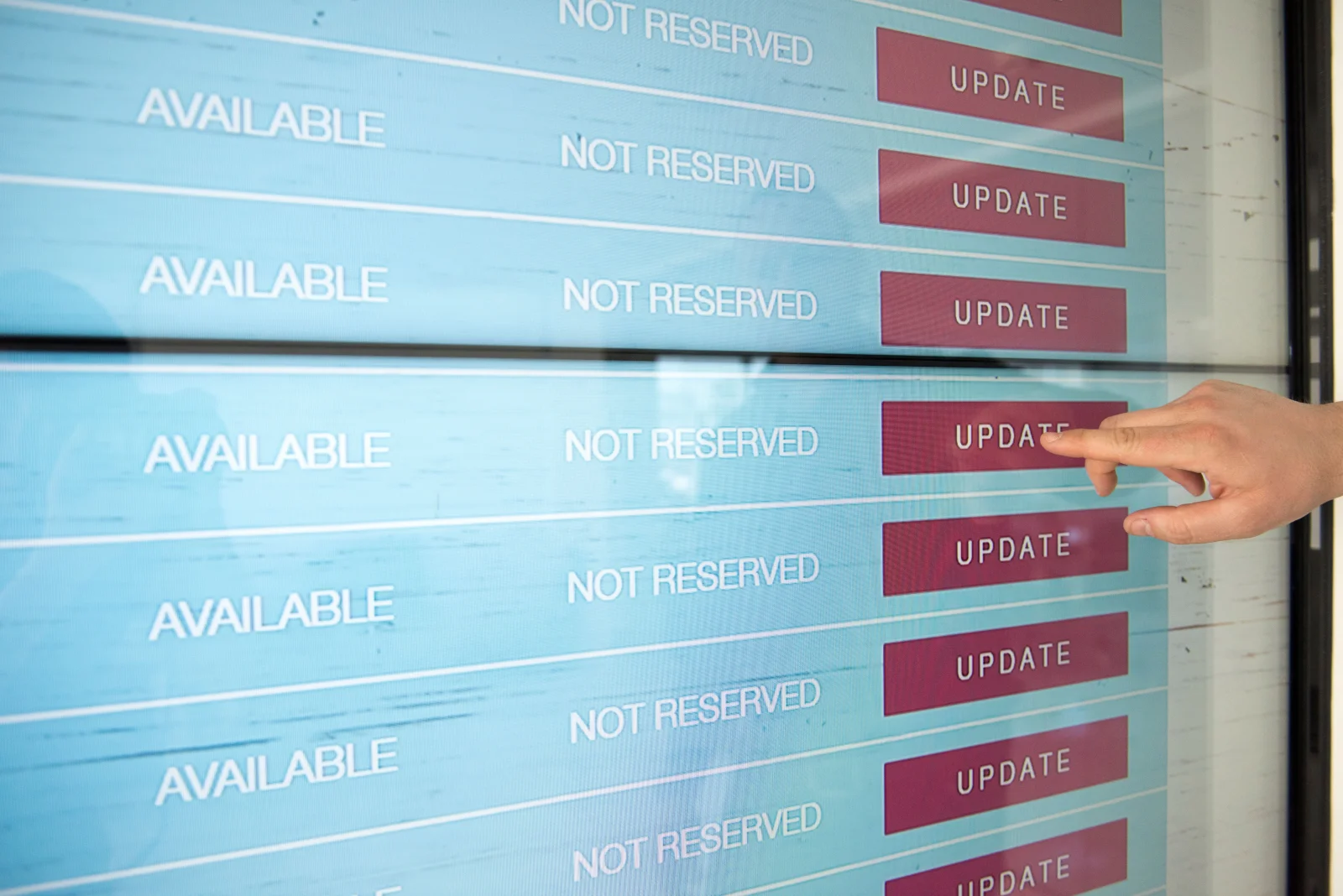
Dynamic updates have transformed the landscape of web development, offering real-time responsiveness that enhances user interaction and engagement. In an era where users demand instantaneous feedback, the ability to update content dynamically without a full-page reload is not just a luxury—it’s a necessity.
Chapter 01
The Dynamics of Real-Time Updates
Explore the mechanisms that power dynamic updates in modern web frameworks.
Understanding Dynamic Updates
Dynamic updates refer to the process where parts of a web page are updated in real-time without requiring a complete reload. This capability is crucial for creating applications that feel fast and responsive, akin to native applications. React and Vue.js are two popular frameworks that implement this feature effectively.
Virtual DOM: The Key Player
The virtual DOM is a lightweight copy of the actual DOM, allowing frameworks to make updates efficiently. When the application’s state changes, the framework calculates the minimal number of changes required to reflect the new state. This process significantly reduces the computational load on the browser.
function updateComponent() {
const newState = getState();
virtualDOM.update(newState);
}
Real-World Applications
- Social Media Feeds: Instantly load new content without refreshing the page.
- Chat Applications: Seamless message updates create a fluid user experience.
- Data Dashboards: Real-time data visualization without interrupting user interaction.

React and Vue.js are two popular frameworks that implement this feature effectively.
A frontend architect
Chapter 02
Implementing Dynamic Updates
Delve into how dynamic updates are integrated into web applications using modern frameworks.
Frameworks in Action
Modern frameworks provide various tools and methods to implement dynamic updates effectively. React’s component-based architecture and Vue.js’s reactive data binding are prime examples.
React’s Component Lifecycle
React components manage their own state and lifecycle, making it simple to update the UI in response to user interactions or data changes.
class DynamicComponent extends React.Component {
componentDidMount() {
  this.timerID = setInterval(() => this.tick(), 1000);
}
tick() {
  this.setState({ time: new Date() });
}
}
Vue.js’s Reactive Data Binding
Vue.js uses a reactive data model, where changes to the data automatically reflect in the UI, providing a seamless update mechanism.
Narrative flow
Scroll through the argument
01
Step 1
Define the reactive state in Vue.js.
02
Step 2
Bind the state to UI components.
03
Step 3
Watch for changes and update the state accordingly.
Dynamic Updates in Action



The integration of dynamic updates in web applications is pivotal for achieving real-time interactivity. As web users continue to expect seamless experiences, developers must leverage the power of modern frameworks to meet these demands. Embracing these technologies not only enhances user satisfaction but also optimizes the performance and scalability of web applications.
In the realm of web development, staying ahead means adopting technologies that allow for rapid, yet efficient updates to user interfaces. With frameworks like React and Vue.js leading the charge, the future of web applications is undoubtedly dynamic, interactive, and user-centric.