New Regulation
EU's Age Verification App: A Landmark Initiative
Navigating the future of online safety and digital identity.
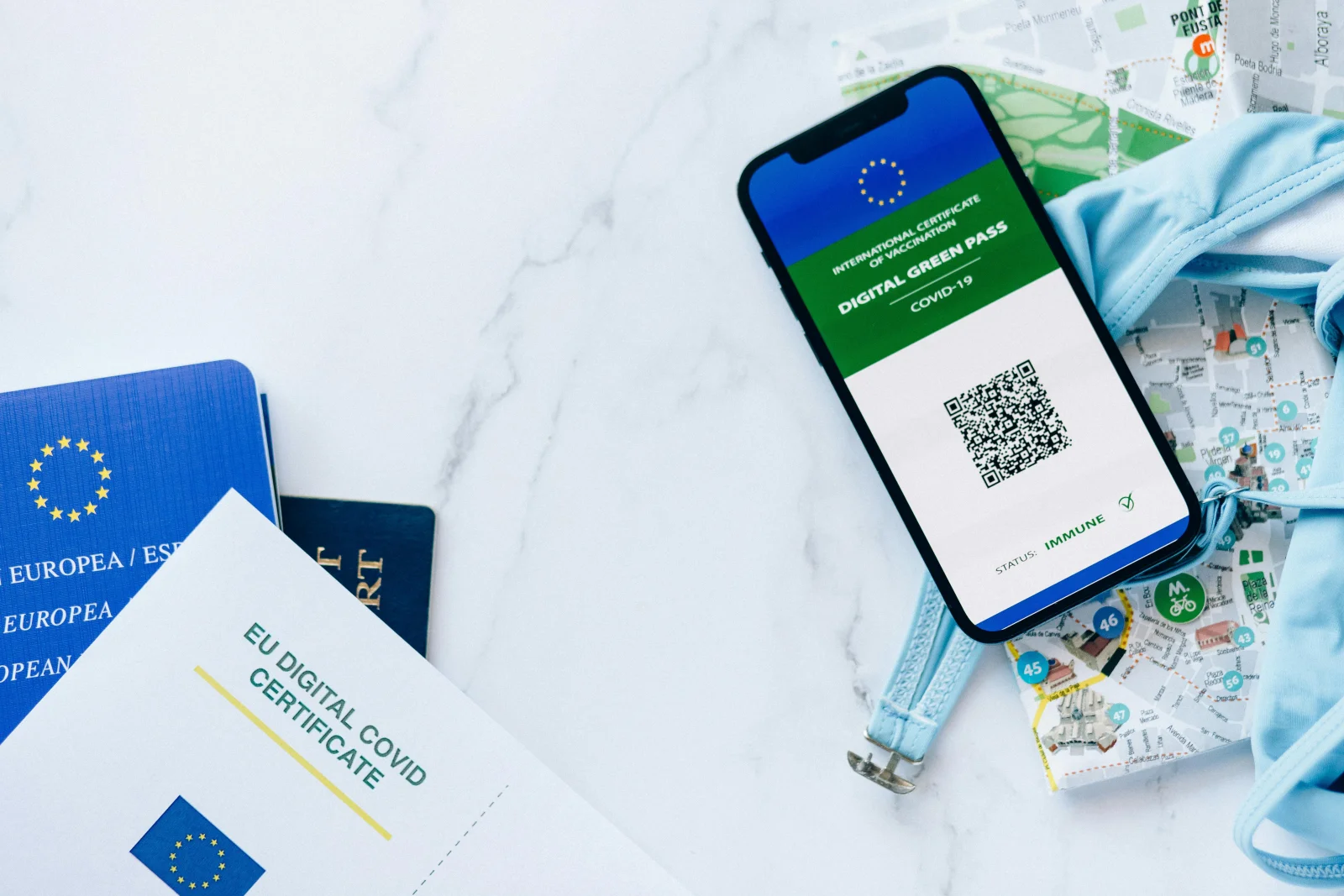
The European Union is on the verge of a major digital shift as it gets ready to introduce an all-encompassing age verification app. This initiative goes beyond simply complying with age restrictions; it signals a fundamental change in the management of digital identities across Europe. The app is designed to both protect minors and tackle rising concerns about online privacy and data security.
For a long time, the internet has been challenged with protecting user privacy while implementing effective age verification systems. Many existing solutions have proven either too invasive or too easy to bypass. The EU promises its app will balance privacy with reliable age verification, potentially setting a new global benchmark for web compliance.
The impending rollout is set to influence multiple industries, including social media platforms and e-commerce sites. By adding a new level of security, it mandates businesses to swiftly adapt or face possible penalties. The implications are both broad and significant.
Chapter 01
The App's Core Functionality
Delving into the mechanics and goals of the EU's age verification app.
How the App Works
The EU’s design for its age verification app aims for both ease of use and tight security. It uses a digital identity framework that connects with existing digital ID systems in member states. This approach verifies the user’s age without revealing sensitive personal details, upholding GDPR standards.
- Secure Authentication: Enhances security through two-factor authentication (2FA).
- Privacy By Design: Limits data collection and anonymizes user information.
- Cross-Platform Compatibility: Accessible on various devices and platforms.
- Real-Time Verification: Instantly confirms age verification status.
- User Consent Management: Gives users control over their data sharing preferences.
- Comprehensive Compliance: Adheres to both EU and international privacy standards.
Privacy Concerns Addressed
The app is designed with a focus on user privacy, tackling common issues related to digital age verification. By reducing data collection and employing encryption, it decreases the risks tied to data breaches. This not only bolsters security but also helps gain users’ trust.
Historical Context
This initiative is rooted in years of EU efforts to improve digital safety. The groundwork laid by earlier regulations, such as the GDPR, paved the way for this app, establishing strict standards for data protection. This app represents the next logical step in building on those protections while addressing contemporary digital challenges.
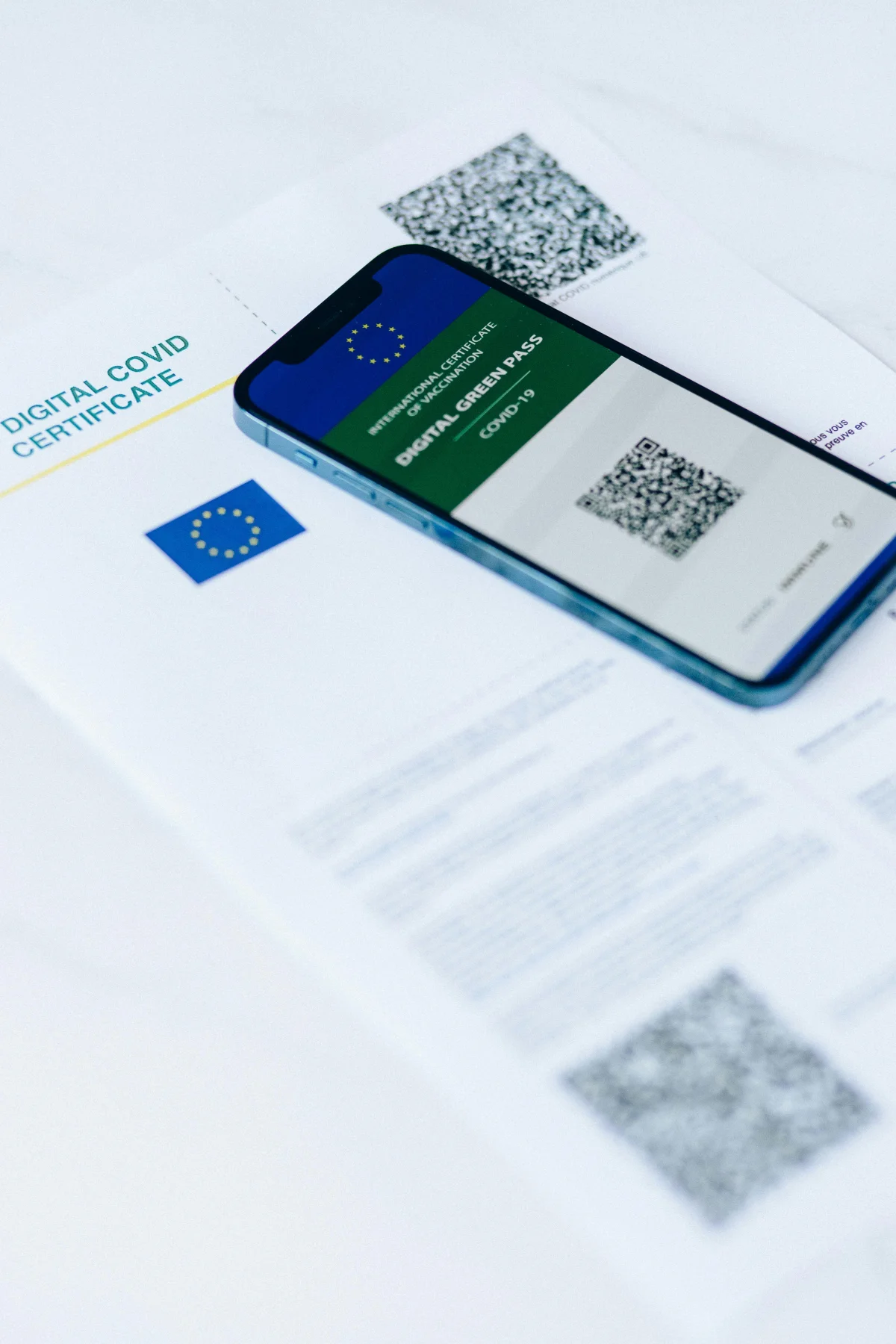
The European Union is on the brink of a significant digital transformation as it prepares to roll out a comprehensive age verification app.
Chapter 02
Impact on Businesses and Users
Exploring the ramifications for various stakeholders.
Narrative flow
Scroll through the argument
01
Step 1: Implementation
Businesses must integrate the app into their existing systems, ensuring compatibility and compliance with the new regulations.
02
Step 2: User Education
Educating users about the app's benefits and how to use it effectively is crucial for widespread adoption.
03
Step 3: Monitoring and Feedback
Ongoing monitoring and feedback mechanisms will help refine the app and address any issues that arise post-launch.
Business Adaptation
With the app’s rollout, businesses need to revisit their compliance strategies. They should ensure their platforms can integrate the app without disrupting user experience, possibly updating privacy policies and investing in user education programs.
User Experience
The app aims to provide users with an intuitive experience by removing cumbersome verification processes, leading to quicker access to age-restricted content. Educating users about how their data is protected and how to effectively navigate the app is crucial for its success.
Common Misconceptions
Many believe the app will complicate or slow down online activities. In fact, it seeks to make age verification both quicker and more dependable. By correcting these misconceptions, the EU hopes to achieve widespread adoption and compliance.
Visualizing the App's Impact

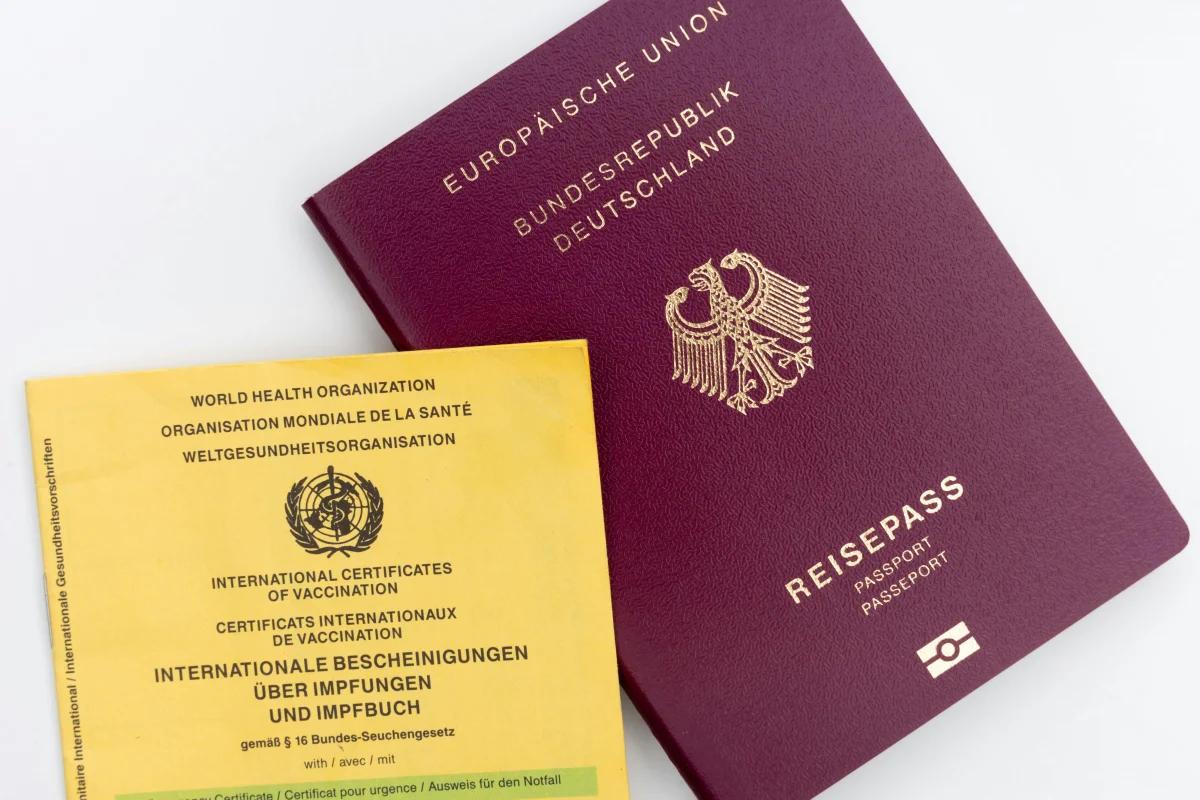
As the app’s rollout continues, early insights indicate that despite the challenges, its benefits are substantial. The EU’s forward-thinking approach to digital security highlights its dedication to safeguarding citizens in the digital era.
Chapter 03
Future Directions and Innovations
What lies ahead for digital security and identity verification?
The Road Ahead
As the app is introduced, it’s crucial to examine its broader impact on digital security. The EU’s initiative is expected to inspire similar endeavors globally, establishing a fresh benchmark for age verification and identity management.
- Global Adoption: Similar technologies might be embraced elsewhere, prompting a worldwide shift in digital security norms.
- Technological Advancements: Ongoing innovation will probably enhance the app’s functions, utilizing AI for smarter verification.
- Policy Evolution: As digital environments change, so will the policies, necessitating constant adjustments and alertness.
- Increased Awareness: Rollout efforts will heighten awareness of digital privacy, urging users to prioritize security online.
- Collaboration Opportunities: Opportunities for cross-border partnerships may arise, promoting a cohesive digital security strategy.
- Long-term Benefits: Ultimately, the app strives to ensure a safer online space for everyone.
Real-World Example
In Germany, where digital identity initiatives have already gained traction, integrating the app is expected to strengthen existing frameworks, offering a comprehensive age verification solution. This practical example demonstrates the app’s potential to advance digital security infrastructure across Europe.
Best Practices for Implementation
To ensure successful implementation, businesses must focus on transparency and educating users. Clearly communicating the app’s functionalities and benefits can build trust and help ensure adherence to new regulations.
Chapter 04
Concluding Thoughts
Reflections on the EU's digital security journey and its implications.
What This Means Long-Term
The EU’s age verification app represents a significant advance in digital security practices. By prioritizing privacy and security, it sets a new benchmark for managing digital interactions, promoting safer online environments for all.
Practical Implementation
Implementing the app calls for collaboration and adaptation across diverse sectors. With a focus on user-friendly design and strong communication, the EU intends to ease the transition to this innovative system.
Trade-offs and Caveats
Although the app presents many advantages, it also poses challenges. Striking a balance between privacy and effective verification processes remains intricate, necessitating ongoing innovation and attention.
This app is more than just regulatory compliance; it provides a blueprint for the future of digital security. As the world observes this significant initiative unfold, the insights gained are likely to influence the next phase of online interactions.