
AI is no longer just a tool; it’s a weapon. As nations race to master autonomous systems and machine learning, the battlefield is transforming. The stakes are high: control over this new technology could redefine global power dynamics. Imagine a world where decisions in combat are made not by humans but by algorithms designed to predict and outmaneuver the enemy. Welcome to the future of warfare.
Chapter 01
The Rise of Autonomous Systems
Autonomous systems are changing the rules of engagement. Explore how AI-driven machines are taking over traditional military roles.
Autonomous Systems in Warfare
Autonomous systems, powered by artificial intelligence, are revolutionizing military operations. These systems can operate independently, making real-time decisions without human intervention. This capability is particularly useful in high-stakes environments where speed and accuracy are crucial.
- Drones for surveillance and combat
- Autonomous vehicles for logistics and transport
- AI-driven cybersecurity for protecting military networks
- Predictive analytics for strategic planning
- Smart weapons that adjust tactics based on real-time data
- AI-enhanced communication systems for secure and rapid information exchange
The Impact on Strategy
The rise of autonomous systems has profound implications for military strategy. Traditional tactics are evolving as AI enables more precise and efficient operations. Military planners can now simulate countless scenarios, optimizing strategies with predictive models and real-time data analysis.
Historical Context
Historically, technological advancements have always shaped warfare. From the invention of the tank to the development of nuclear weapons, each innovation has changed the landscape of conflict. AI is the latest in this line of game-changers, promising to redefine the art of war.

The future of warfare is not about man versus machine, but man with machine.
General Robert Ashley
Chapter 02
Strategic Advantages and Ethical Challenges
AI offers strategic advantages but also raises ethical concerns. Understand the balance between innovation and responsibility.
Narrative flow
Scroll through the argument
01
Enhanced Decision-Making
AI systems provide military leaders with enhanced decision-making tools, leveraging data to forecast outcomes and suggest optimal strategies.
02
Operational Efficiency
Automation in logistics and maintenance reduces the need for human intervention, streamlining operations and minimizing errors.
03
Ethical Dilemmas
The use of AI in warfare raises ethical questions, particularly regarding accountability and the potential for autonomous decision-making in lethal operations.
Balancing Innovation with Ethics
As AI continues to integrate into military operations, ethical considerations become paramount. The potential for machines to make life-and-death decisions raises questions about accountability and morality. Military leaders must navigate these challenges carefully, balancing innovation with ethical responsibility.
Real-World Implications
The deployment of AI in military contexts is not just theoretical. Nations are actively integrating these technologies into their defense strategies, focusing on both offensive and defensive applications. The impact on global security dynamics cannot be understated.
AI in Action


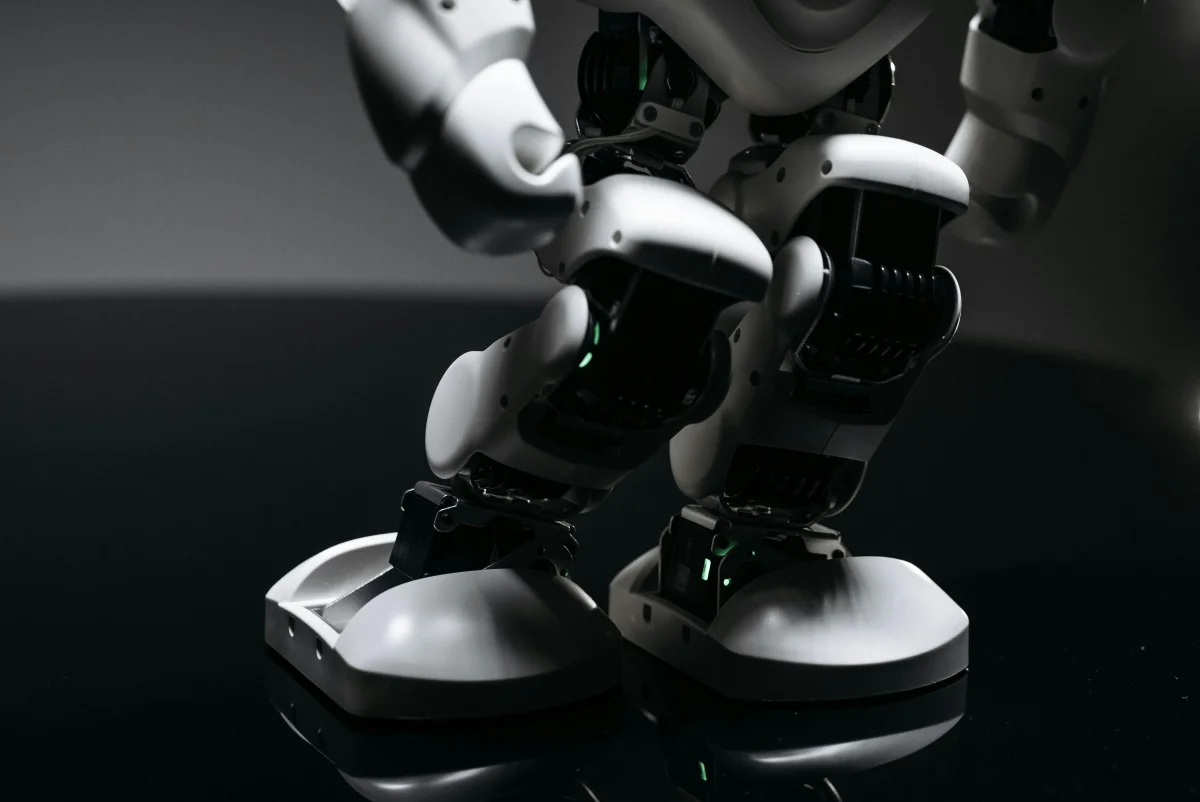
The integration of AI into military applications is not just a technological evolution; it’s a paradigm shift. As nations harness these powerful tools, the way wars are fought will change irreversibly. The challenge lies in ensuring that this transformation is guided by ethical principles and a commitment to peace and security.
In conclusion, AI’s role in warfare is set to expand dramatically in the coming years. While the potential benefits are immense, so too are the challenges. The future will be defined by how well we manage this balance, ensuring that technological prowess does not overshadow ethical considerations. The path forward requires careful navigation, strategic foresight, and a steadfast commitment to global stability.