Floating point errors are a silent disruptor in the world of computational mathematics. They are invisible to the naked eye but have profound implications, especially when it comes to emissions calculations. The stakes are high; as global policies lean heavily on data-driven decisions, even the smallest error can lead to significant misjudgments.
Chapter 01
Understanding the Problem
Explore how small errors in floating-point calculations can lead to large discrepancies in emissions data.
The Hidden Costs of Precision Errors
In the realm of numerical computing, floating-point numbers are a staple. They are used extensively due to their ability to represent a wide range of values. However, this flexibility comes at a cost: precision errors. These errors occur because floating-point numbers can only approximate real numbers, leading to small inaccuracies that can compound over time.
- Floating-point arithmetic is not exact.
- Errors increase with the number of operations.
- Precise emissions data is critical for policy decisions.
- Misleading data can skew environmental policy.
- Errors can inflate or deflate emissions reports.
- Global impact due to widespread use in climate modeling.
The Mechanics of Floating-Point Arithmetic
Floating-point arithmetic involves a trade-off between range and precision. This trade-off means that certain calculations may produce results that are not entirely accurate due to rounding errors. These errors are magnified in complex calculations, such as those used in climate modeling.
Historical Context and Current Challenges
Historically, the impact of floating-point errors was limited to the academic realm. However, as computational models are increasingly used to inform policy, the repercussions of these errors extend beyond academia. Miscalculated emissions data can lead to misinformed policy decisions, affecting climate targets globally.
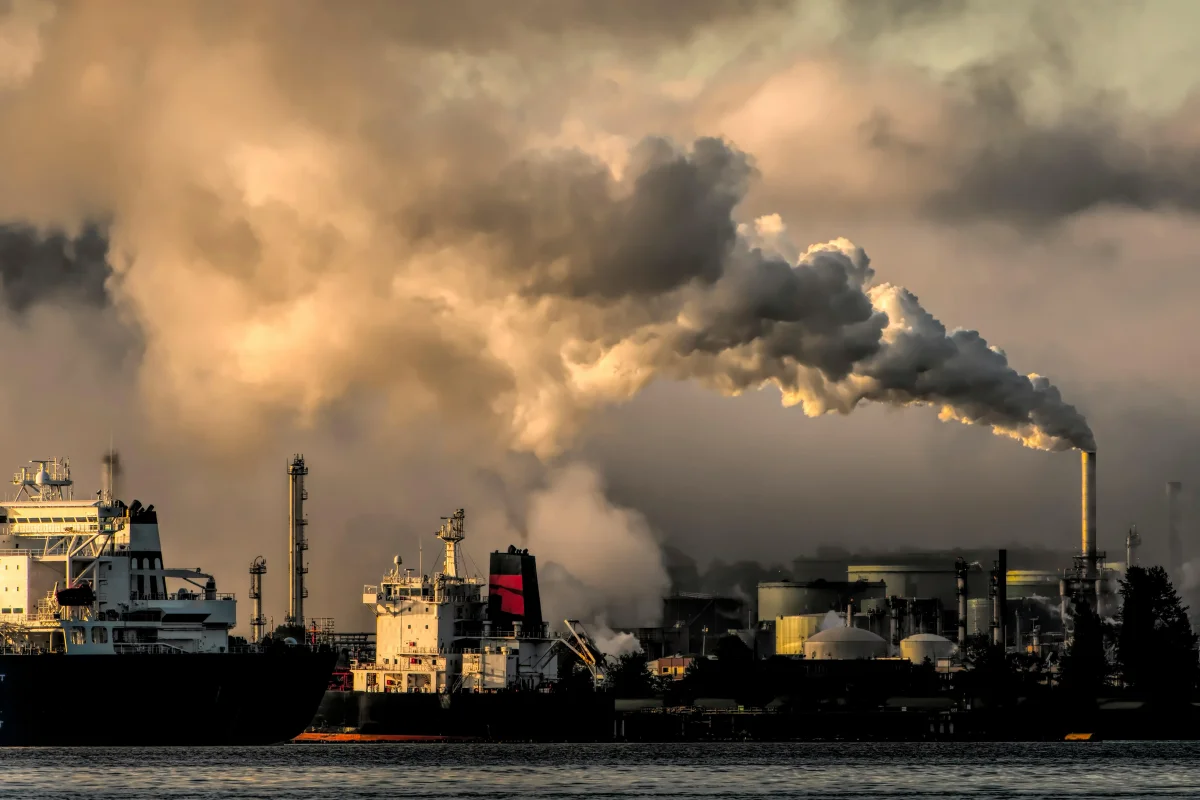
Floating point errors are a silent disruptor in the world of computational mathematics.
Chapter 02
The Ripple Effect
Discover how a small computational error can have far-reaching consequences.
Narrative flow
Scroll through the argument
01
Data Collection
Emissions data is collected from various sources, including satellite imagery and ground sensors, each introducing potential precision errors.
02
Data Processing
Collected data undergoes numerous transformations and calculations, where floating-point arithmetic errors can accumulate.
03
Policy Impact
Final emissions reports influence policy decisions; errors in these reports can lead to either overly aggressive or lenient policies.
Example: A Simple Calculation Gone Awry
Consider a simple emissions calculation performed using Python:
def calculate_emissions(data):
    total = 0.0
    for entry in data:
        total += entry * 0.001  # Factor introduces precision error
    return total

emissions_data = [1000000, 2000000, 3000000]
result = calculate_emissions(emissions_data)
print(f"Calculated Emissions: {result}")

The above code illustrates how small multipliers can introduce errors, which, when scaled, can significantly affect the total emissions calculation.

### An Alternative Approach

To mitigate such errors, using libraries like `decimal` in Python can offer higher precision:

```python
from decimal import Decimal

def calculate_precise_emissions(data):
    total = Decimal('0.0')
    for entry in data:
        total += Decimal(entry) * Decimal('0.001')
    return total

precise_result = calculate_precise_emissions(emissions_data)
print(f"Precise Emissions: {precise_result}")

### Common Misconceptions

Many assume that floating-point errors are trivial and do not impact real-world applications. However, as demonstrated, even small errors can have significant consequences when scaled to global emissions data.

<MediaReel title="Impactful Visuals" items={[
  { src: "/images/blog/floating-point-errors-and-emissions-math-impact/reel-1.webp", alt: "Visualization of floating-point errors", caption: "Cumulative error visualization in emissions data." },
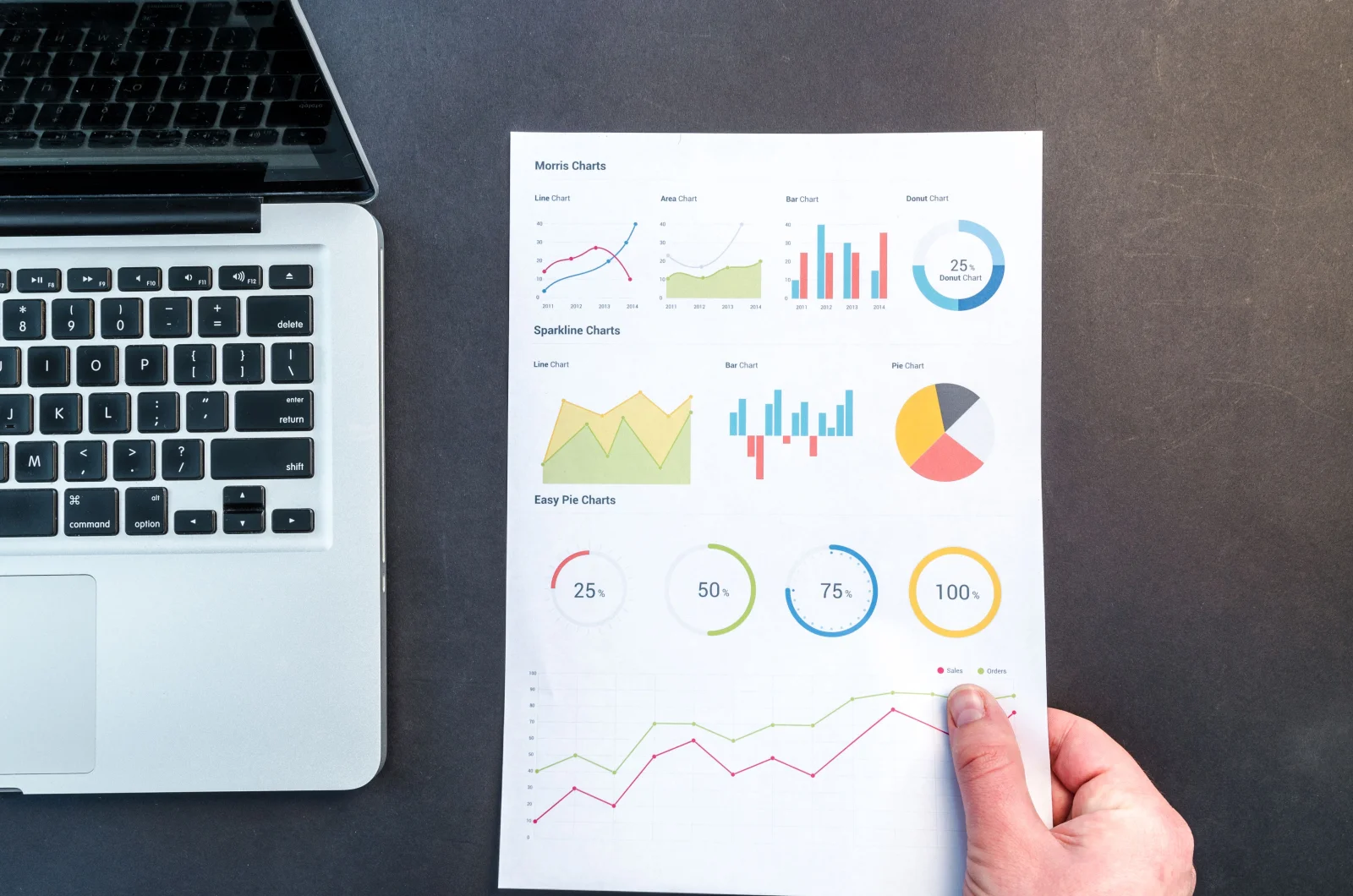
  { src: "/images/blog/floating-point-errors-and-emissions-math-impact/reel-2.webp", alt: "Graph of emissions over time", caption: "Graph showing impact of precision errors on emissions reports." },
  { src: "/images/blog/floating-point-errors-and-emissions-math-impact/reel-3.webp", alt: "Policy implications", caption: "How errors translate into policy changes." }
]} />

<Reveal>
Small computational errors can lead to a ripple effect, altering the data that forms the backbone of environmental policy. As we aim for precision and accuracy in our fight against climate change, addressing these errors is crucial. The responsibility lies with developers and policymakers alike to ensure the integrity of emissions data.
</Reveal>

<PullQuote>
Precision is not just a technical detail; it's a cornerstone of environmental integrity.
</PullQuote>

<Reveal>
The journey to eliminate floating-point errors in emissions calculations is ongoing but imperative. Our planet's health depends on the accuracy of the data we rely on. As we continue to refine our computational tools, the emphasis must remain on precision, ensuring our policies are grounded in truth.
</Reveal>