Algorithmic Trading
Automate Your Crypto Trades with Python
Harness the power of algorithmic trading to optimize your crypto investments.
Creating a crypto trading bot demands a fusion of financial knowledge and technical skill. Given the crypto market’s volatility, automated trading presents both opportunities and challenges. A deep understanding of the mechanics and a data-driven strategy are key to achieving success.
Chapter 01
The Foundation
Laying the groundwork for a successful crypto trading bot starts with understanding the basics.
Grasping Market Dynamics
Before jumping into coding, it’s crucial to analyze market behavior. Crypto markets run continuously, with their decentralized nature causing dramatic price swings. This dynamic setting suits algorithmic trading, where speed and precision reign supreme.
The Appeal of Python
Python is favored by developers for its straightforwardness and comprehensive ecosystem. Libraries such as ccxt for API integration and pandas for data analysis are indispensable. By using these tools, developers can concentrate on strategy, freeing them from detailed implementation concerns.

Developers often find Python's simplicity and vast libraries crucial for efficient bot development.
Narrative flow
Scroll through the argument
01
Select the Right Exchange
Ensure the exchange supports API trading and has sufficient liquidity.
02
Design Your Trading Strategy
Define clear entry and exit rules based on market analysis.
03
Test and Iterate
Backtest strategies on historical data to refine and improve.
Chapter 02
Building the Bot
Transforming strategy into code: the practical steps of bot development.
Developing Your Strategy
An effective trading strategy forms the backbone of any bot. Consider using momentum strategies that take advantage of price trends or mean reversion strategies that play on price adjustments. Each type comes with its own set of benefits and challenges.
Coding the Implementation
The process of translating a strategy into a functional bot requires precise coding. Here’s a basic framework to get you started:
import ccxt
import pandas as pd

exchange = ccxt.binance()
symbol = 'BTC/USDT'
bars = exchange.fetch_ohlcv(symbol, timeframe='1d', limit=100)
df = pd.DataFrame(bars, columns=['timestamp', 'open', 'high', 'low', 'close', 'volume'])
df['returns'] = df['close'].pct_change()

def momentum_strategy(df):
  df['signal'] = [1 if r > 0 else -1 for r in df['returns']]
  return df

df = momentum_strategy(df)
This script retrieves historical pricing data and implements a basic momentum strategy. It generates signals for buying or selling based on price changes.
Bot Development Process


Assessing Strategy Effectiveness
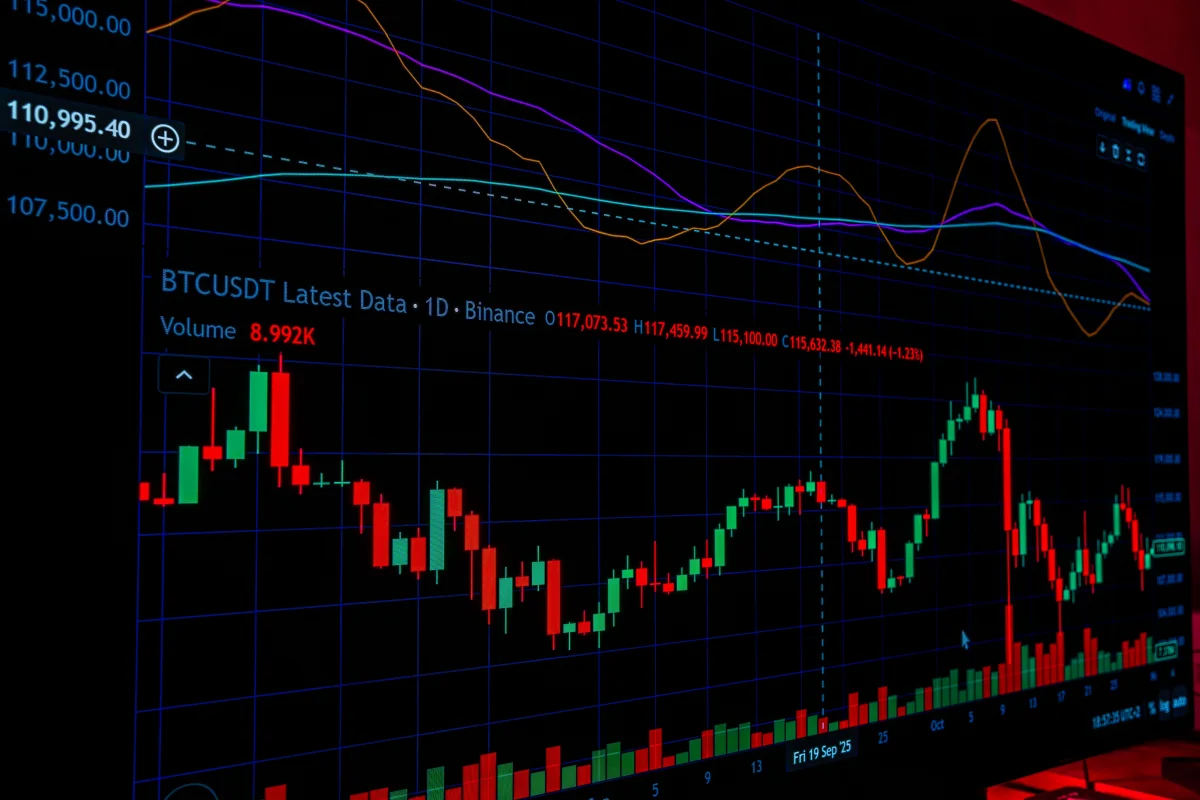
Backtesting is integral to verifying if a strategy holds up. By comparing the bot’s performance against historical data, you can evaluate its potential and adjust parameters to boost returns. Don’t forget: past performance isn’t a future predictor.
Building a crypto trading bot presents both challenges and rewards. Python, combined with strategic algorithms, allows developers to create tools that boost trading efficiency while providing market insights. As with any financial undertaking, ongoing learning and flexibility are essential.