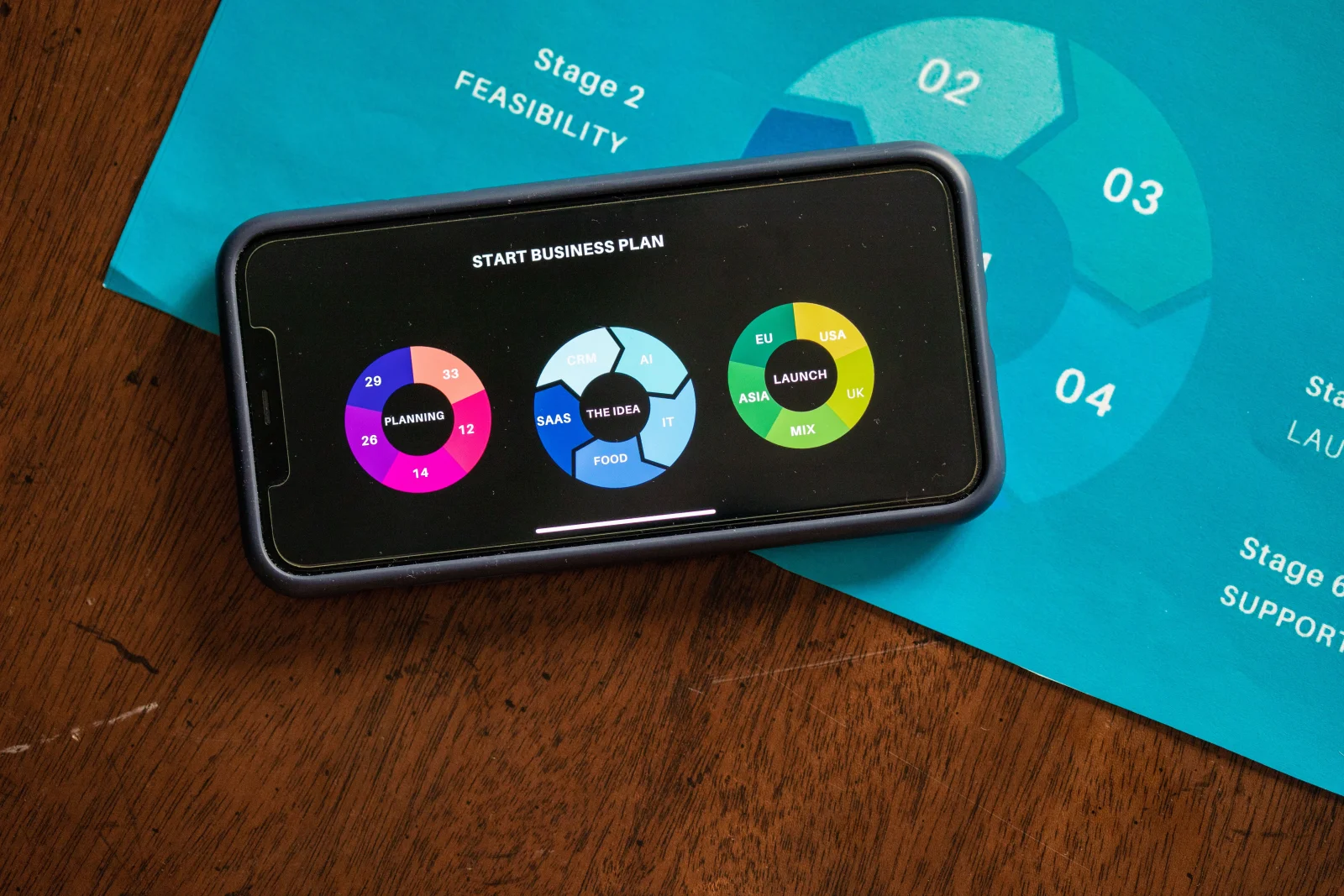
MVP Development Guide
Crafting the Future of SaaS MVPs
Master the essentials of building a SaaS MVP in 2026 with cutting-edge strategies.
In 2026, the landscape for SaaS MVP development is more dynamic and competitive than ever. Startups face a crucial decision: how to effectively bring their minimal viable product to market amidst rapid technological advancements and evolving consumer expectations. The stakes are high, but the opportunity to disrupt and innovate is even higher.
Chapter 01
Understanding the MVP Landscape
Grasp the essentials of crafting a successful SaaS MVP.
Defining the Problem and Solution
The first step in developing a SaaS MVP is identifying the problem your product will solve. This requires a deep understanding of the market and the specific pain points your solution addresses. A well-defined problem sets the foundation for a successful MVP.
- Conduct market research to identify gaps.
- Engage with potential users for insights.
- Define the core value proposition clearly.
- Prioritize essential features that solve the problem.
- Validate assumptions with early adopters.
- Plan for scalability from the outset.
The Role of Technology in MVP Development
Technology selection is crucial to MVP success. In 2026, JavaScript frameworks and cloud platforms are at the forefront, offering flexibility and scalability.
JavaScript frameworks like React and Vue.js provide robust ecosystems for building dynamic, responsive applications. Paired with cloud services such as AWS and Azure, they enable rapid development and deployment.
Historical Context: Evolution of MVPs
The concept of an MVP has evolved significantly. Initially, MVPs were basic prototypes designed to test ideas. Today, they are sophisticated products that leverage real-time data and user analytics to iterate and improve continuously.
In 2026, the landscape for SaaS MVP development is more dynamic and competitive than ever.
Chapter 02
Building and Iterating Your MVP
Explore the iterative process of developing a SaaS MVP in 2026.
Narrative flow
Scroll through the argument
01
Step 1: Build the Core
Focus on developing the essential features that address the core problem. Use agile methodologies to ensure flexibility and responsiveness to change.
02
Step 2: Gather User Feedback
Deploy the MVP to a select group of users. Collect feedback through surveys, interviews, and analytics to understand user needs and pain points.
03
Step 3: Iterate and Improve
Use the feedback to refine features and fix issues. Prioritize changes that enhance user satisfaction and align with the product vision.
A Detailed Example: Iterative Development
Consider a SaaS tool for task management. Initially, focus on core features like task creation, assignment, and collaboration. Deploy the MVP to early adopters, gather feedback on usability and performance, and iterate to improve the user interface and add integrations based on user demand.
function addTask(task) {
if (!task) {
  throw new Error("Task is required");
}
// Logic to add task
}
Related Angle: Leveraging AI and Automation
AI tools can automate repetitive tasks, providing predictive analytics and personalized user experiences. These technologies can significantly enhance your MVP, offering users a more intelligent and efficient solution.
Common Pitfall: Feature Creep
One common pitfall in MVP development is feature creep—adding too many features too soon. This dilutes the product’s focus and can overwhelm users. It’s crucial to maintain a clear vision and prioritize features that deliver maximum impact.
MVP Development in Action



The iterative approach to SaaS MVP development emphasizes learning and adaptation. Each cycle of feedback and improvement brings the product closer to achieving market fit, ensuring that it not only meets user needs but also exceeds their expectations.
Chapter 03
Launching and Scaling Your MVP
Prepare for the next phase: turning your MVP into a market-ready product.
Preparing for Launch
Launching a SaaS MVP requires careful planning and execution. Ensure your product is stable, secure, and ready to handle user demand. Effective marketing strategies are essential to reach your target audience and generate initial traction.
- Test extensively for bugs and performance issues.
- Develop a comprehensive marketing plan.
- Leverage social media and content marketing.
- Set up analytics to track user engagement.
- Offer promotions or free trials to attract users.
- Prepare for scaling based on user growth.
Real-World Example: Success Story
Consider the story of a SaaS startup that launched a simple project management tool. By focusing on core features and gathering user feedback, they iterated to create a product that met market needs, eventually scaling it into a widely used platform.
Best Practices and Recommendations
Adopt best practices such as continuous integration and deployment (CI/CD) to enhance development efficiency. Prioritize customer support and maintain an open channel for feedback, ensuring that you can quickly address issues and incorporate user suggestions.
Building a successful SaaS MVP in 2026 involves a blend of strategy, technology, and continuous learning. By staying agile and user-focused, startups can transform their MVPs into robust products that stand the test of time.