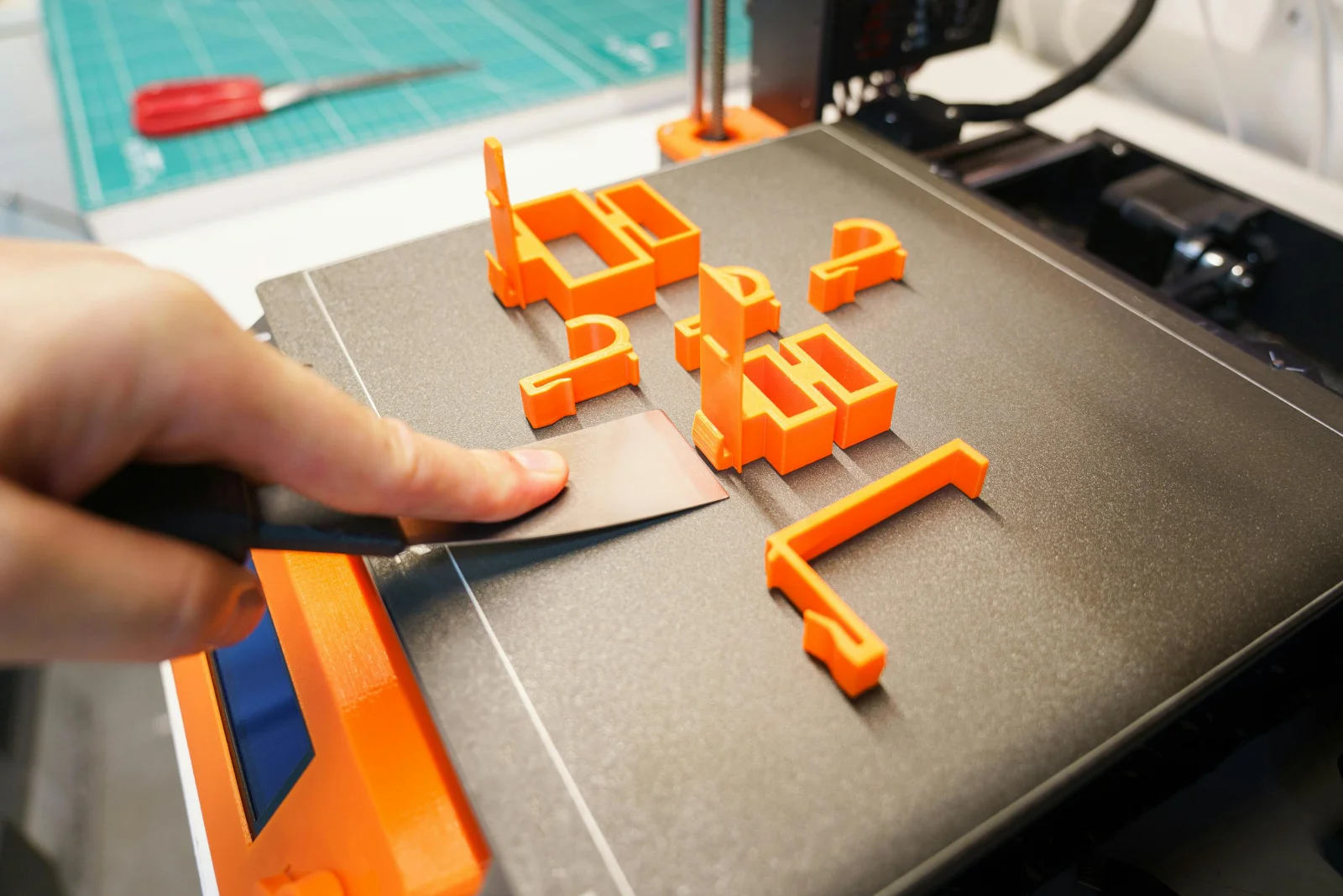
FDM printers have revolutionized how we create and innovate, but at what cost to our health? The promise of transforming digital designs into tangible objects has captured imaginations worldwide. Yet, as their popularity soars, so do concerns about their safety, particularly regarding emissions from the materials used. This article delves into the hidden health risks of FDM printers, laying out the stakes and the realities that users must face.
Chapter 01
The Invisible Threat
Understanding the unseen dangers of FDM printers is crucial for users who engage with these machines regularly.
The Composition of Emissions
FDM printers work by heating and extruding thermoplastic materials. As these materials melt, they release volatile organic compounds (VOCs) and ultrafine particles (UFPs) into the environment. These emissions can pose respiratory risks and may even contribute to long-term health effects if exposure is prolonged.
- Emissions vary greatly by material type.
- PLA is perceived as safer but still emits VOCs.
- ABS releases styrene, a suspected carcinogen.
- Nylon can emit caprolactam, which irritates the respiratory system.
- Ventilation significantly reduces risk.
- Users often overlook indoor air quality.
Understanding Material Differences
Each material used in FDM printers behaves differently when heated. For instance, PLA (Polylactic Acid) is often marketed as a safer alternative due to its plant-based origins. However, it still emits lactide and other VOCs during printing. Conversely, ABS (Acrylonitrile Butadiene Styrene) is known for its strength and durability but releases styrene, raising red flags due to its potential health impacts.
Historical Context and Research
Research into the health impacts of 3D printing is still in its infancy, largely due to the technology’s rapid growth outpacing regulatory measures. Historical parallels can be drawn with other technologies, like asbestos, initially hailed for its utility before its dangers were fully understood. The current challenge is to balance innovation with safety.
FDM printers have revolutionized how we create and innovate, but at what cost to our health?
Chapter 02
Mitigation Strategies
Exploring effective ways to reduce the health risks associated with FDM printer emissions.
Narrative flow
Scroll through the argument
01
Step 1: Material Selection
Choosing the right material can significantly reduce emissions. Opt for materials with lower VOC emissions like PLA.
02
Step 2: Improve Ventilation
Ensure the printing area is well-ventilated. This can dramatically lower the concentration of harmful particles.
03
Step 3: Regular Maintenance
Maintaining your printer ensures optimal performance and limits the breakdown of materials that contribute to emissions.
The Role of Ventilation
Improving ventilation is one of the most effective ways to mitigate the risks associated with FDM printer emissions. Installing exhaust fans or using air purifiers with HEPA filters can help capture and reduce the concentration of harmful particles in the air. Ensuring that the printer is used in a well-ventilated space is crucial.
Material Choice Matters
Selecting the right material plays a pivotal role in minimizing health risks. Users should prioritize low-emission materials and stay informed about the latest research regarding safer alternatives. Manufacturers are continuously developing new formulations designed to decrease emission profiles, making it essential to stay updated.
Common Misconceptions
A common misconception is that all 3D printing materials are equally safe. In reality, the chemical composition of each material dictates its emission characteristics. Users often assume that because a material is widely used, it is safe, which is not always the case. Educating oneself on the specifics of each material is important.
Visualizing Safety Measures
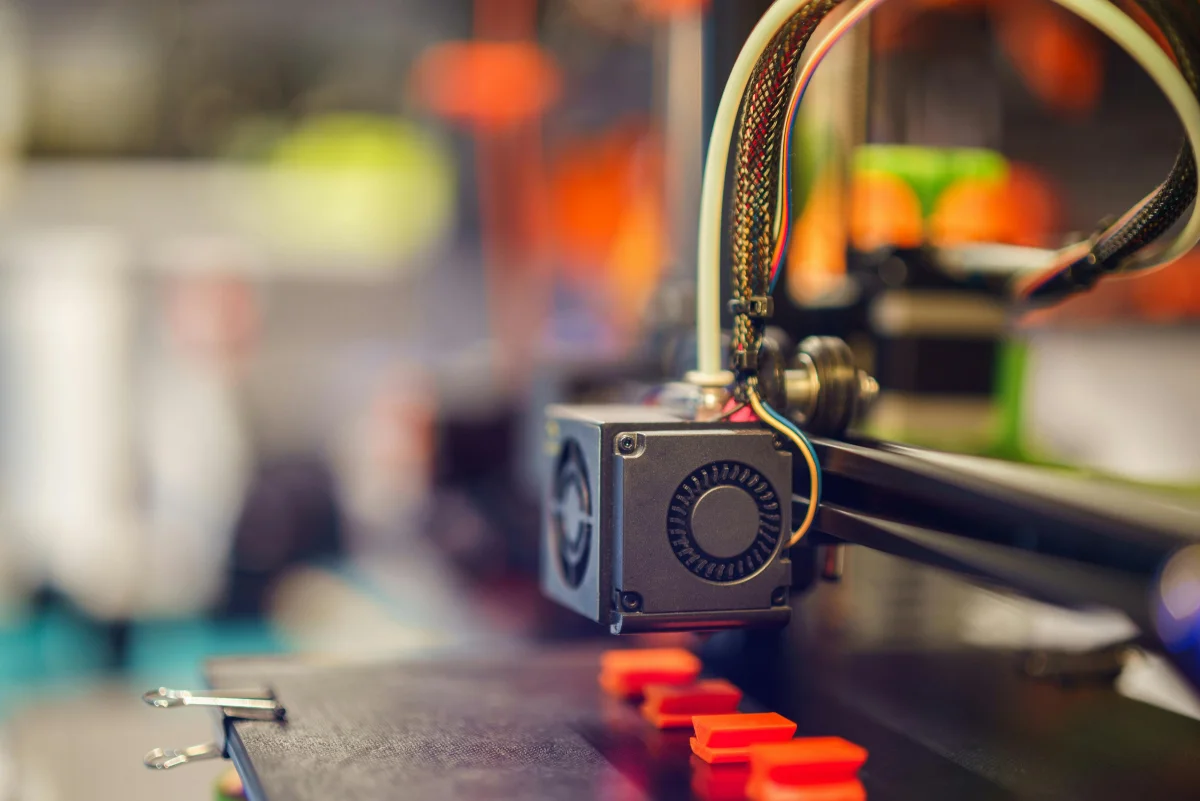
Emphasizing the importance of informed choices and proactive measures cannot be overstated. With the right knowledge and tools, users can significantly mitigate the health risks associated with FDM printers. Understanding and acting on these insights ensures a safer environment for innovation without compromising health. The journey toward safer 3D printing starts with awareness and action.
Chapter 03
The Path Forward
What the future holds for FDM printing in terms of safety and innovation.
Innovations in Safety
The future of FDM printing lies in increased safety measures and material innovation. As the industry progresses, new materials with reduced emissions are being developed, and regulatory bodies are catching up to ensure user safety.
- New low-emission materials
- Enhanced filtration systems
- Industry partnerships for safety standards
- Research-backed best practices
- User education and awareness
- Regulatory updates and compliance
Real-World Applications
Incorporating these safety measures has already shown promising results in various sectors. Educational institutions and makerspaces are leading the way, implementing comprehensive safety protocols that serve as a model for broader adoption.
Best Practices for Users
For users, adopting best practices means not only ensuring personal safety but also contributing to the larger movement toward sustainable and responsible 3D printing. Regularly updating one’s knowledge and practices in line with industry standards is crucial.
The importance of understanding the health implications of FDM printers cannot be ignored. As technology continues to advance, so too must our approach to safety. By staying informed and proactive, we can embrace the full potential of 3D printing while safeguarding our health. In this balance lies the true power of innovation.