
Modern vehicles are not just about horsepower and design anymore. They’re evolving into smart devices on wheels, thanks to mobile app integration. This transformation is reshaping how we think about cars, with mobile apps offering new ways to interact with our vehicles.
Chapter 01
The Connected Car Ecosystem
Explore the intricate web of connectivity that mobile apps are weaving into modern vehicles.
How Mobile Apps Integrate with Vehicles
Imagine starting your car with just a tap on your smartphone or receiving real-time health diagnostics of your vehicle. Mobile apps are increasingly providing these capabilities, leveraging APIs and secure connections to communicate with vehicle systems.
Navigating the Data Highway
Data sharing between mobile apps and vehicles enables a plethora of functionalities:
- Navigation: Apps can access GPS data to provide real-time traffic updates.
- Diagnostics: Vehicle health can be monitored, alerting users to potential issues.
- Preferences: User settings for seat positions and climate control can be personalized.
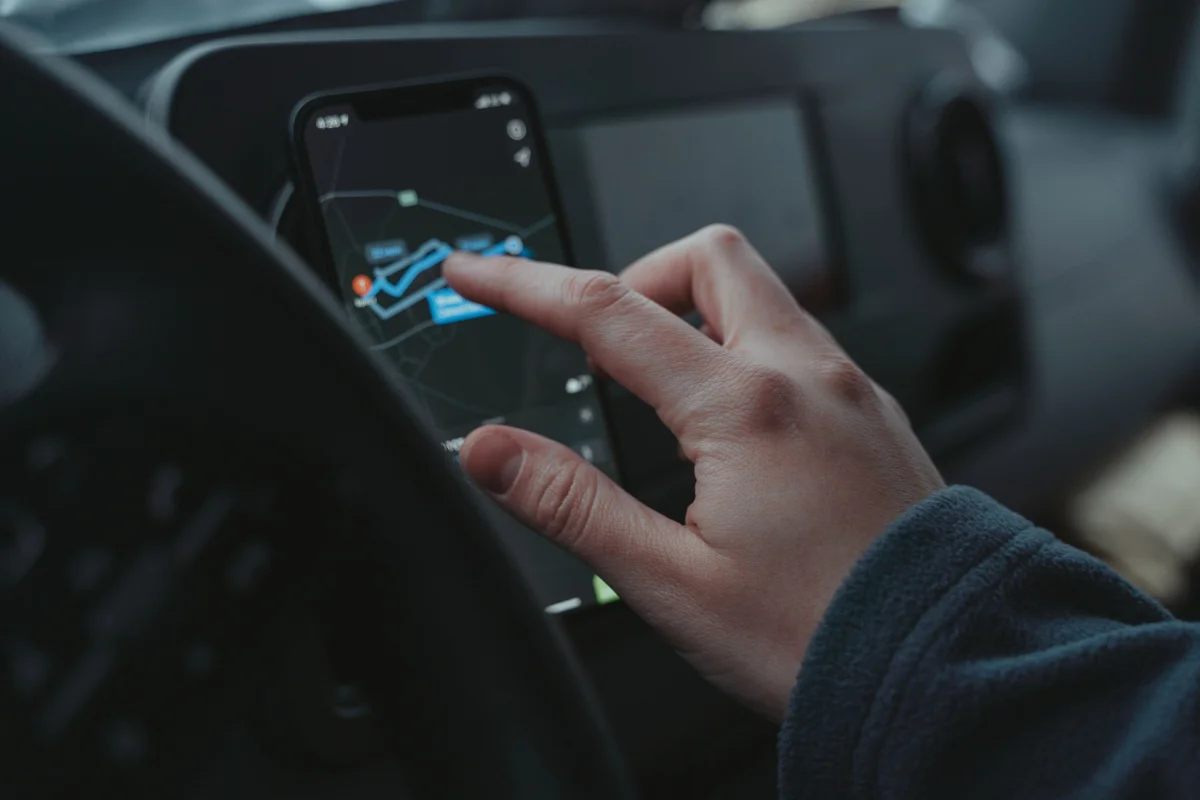
Mobile apps are increasingly providing these capabilities, leveraging APIs and secure connections to communicate with vehicle systems.
Automotive Technology Specialist
Security in the Driver’s Seat
With great connectivity comes the need for robust security measures. Encryption and secure APIs are critical to protect sensitive data from unauthorized access. Developers must prioritize these aspects to ensure user trust and system integrity.
Chapter 02
Challenges and Opportunities
Understanding the complexities and potential of integrating mobile apps with vehicle systems.
Bridging Platforms: A Developer’s Perspective
Creating a seamless experience across iOS and Android devices in vehicles requires a deep understanding of both native and hybrid development. Consistency is key, as users expect the same level of functionality regardless of their device.
Narrative flow
Scroll through the argument
01
Develop Consistent Interfaces
Ensuring a unified experience across platforms is crucial. This involves standardizing UI components and interactions.
02
Leverage Cross-Platform Frameworks
Frameworks like Flutter can help bridge the gap between different operating systems, reducing development time.
03
Implement Robust Testing
Testing across various devices and vehicle systems ensures reliability and performance.
Privacy Concerns
As vehicles collect more data, the question of privacy becomes paramount. Users need to understand how their data is used and have control over their information. Transparent privacy policies and user consent are essential.
Data Sharing in Action



Navigating Regulatory Landscapes
Developers must also navigate the complex regulatory landscapes. Compliance with data protection regulations such as GDPR ensures that data handling practices are up to standard. This not only protects users but also builds brand trust.
Chapter 03
Future Horizons
Envisioning the future of mobile app integration in vehicles and the road ahead.
The Road Ahead
The integration of mobile apps into vehicles is just the beginning. As technology advances, vehicles will become even more connected, with apps playing a central role in the driving experience. AI and machine learning will further enhance these interactions, offering predictive insights and smarter navigation.
As we continue to innovate, the possibilities are endless. The journey of integrating mobile apps with vehicles is a testament to how technology can redefine our experiences. Developers and manufacturers must collaborate to ensure that these advancements are safe, secure, and beneficial for all users.