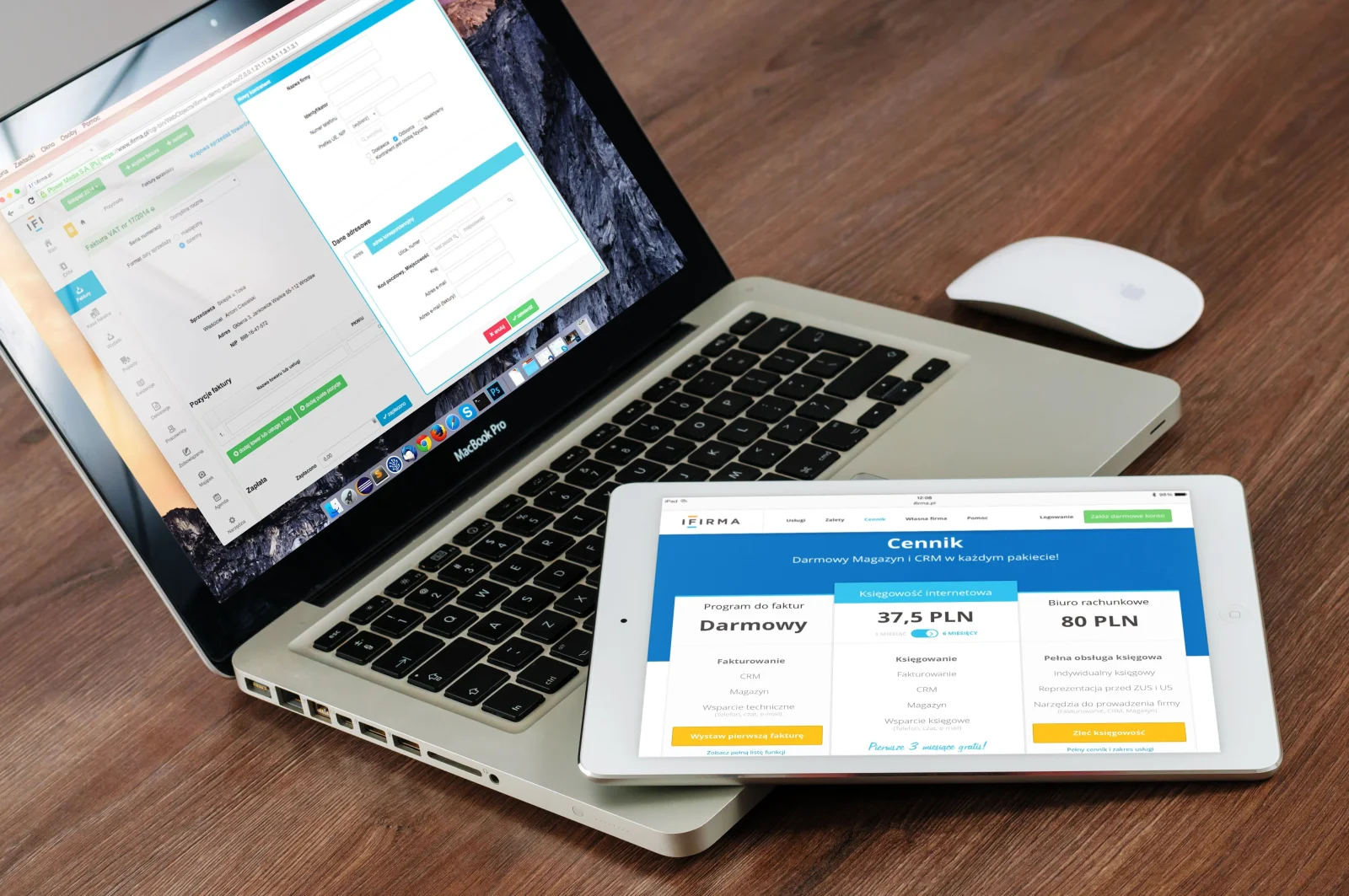
E-Ink technology is quietly revolutionizing the way developers interface with their data. With an emphasis on energy efficiency and eye comfort, these displays are emerging as a top choice for modern dashboards. Unlike traditional screens, E-Ink offers a reflective quality that mimics paper, reducing eye strain during those marathon coding sessions. As sustainable tech becomes more than just a trend, E-Ink’s low power consumption is gaining attention. But what makes these dashboards truly transformative is their adaptability beyond the typical developer setup.
Chapter 01
The E-Ink Advantage
Exploring the unique benefits E-Ink technology brings to the developer's toolkit.
Energy Efficiency and Sustainability
E-Ink dashboards are celebrated for their energy efficiency, consuming power only when the display changes. This characteristic makes them ideal for applications where static information is prevalent, such as system monitoring or process status displays. In a world increasingly conscious of energy consumption, E-Ink’s low power demands fit perfectly into the narrative of sustainable technology.
- Reduced Power Consumption: Ideal for remote or off-grid setups.
- Minimal Heat Emission: Contributes to a cooler workspace environment.
- Longer Device Lifespan: Less power means less stress on components.
- Environmentally Friendly: Lower energy use reduces carbon footprint.
- Cost-Effective: Lower electricity bills over time.
- Future-Proof: Aligns with the global push for greener tech initiatives.
Readability and Comfort
Another compelling advantage of E-Ink is its superior readability. Unlike backlit screens, E-Ink displays are reflective, which reduces glare and eye strain, making them perfect for lengthy work sessions. The paper-like quality of the display is easy on the eyes, even in bright lighting conditions.
Beyond the Developer’s Desk
E-Ink technology isn’t confined to just developer dashboards. Its applications are expanding into areas like digital signage, e-readers, and even wearable technology. These diverse applications highlight the versatility and broad appeal of E-Ink technology in various tech landscapes.

E-Ink technology is quietly revolutionizing the way developers interface with their data.
Chapter 02
Integrating E-Ink into Developer Workflows
A guide to seamlessly incorporating E-Ink dashboards into existing tech setups.
Narrative flow
Scroll through the argument
01
Assess Your Needs
Determine which aspects of your workflow would benefit most from E-Ink's static display capabilities.
02
Select the Right Hardware
Choose E-Ink hardware that suits your environmental and technical requirements. Consider size, connectivity, and refresh rate.
03
Integrate and Optimize
Incorporate the E-Ink display into your setup, ensuring software compatibility and optimized data feeds.
Hardware Considerations
When choosing an E-Ink solution, it’s crucial to consider the specific requirements of your workflow. Displays vary in size, connectivity options, and refresh rates, so selecting a model that aligns with your needs is paramount.
Software Compatibility
Ensuring software compatibility is key when integrating E-Ink into your workflows. Many E-Ink displays support open-source platforms, making them adaptable to a range of environments. Custom APIs can also facilitate seamless data integration.
Common Misconceptions
A common misconception about E-Ink is its unsuitability for real-time data display. While E-Ink is not ideal for rapidly changing data, it excels in scenarios where information updates slowly or remains static.
E-Ink in Action

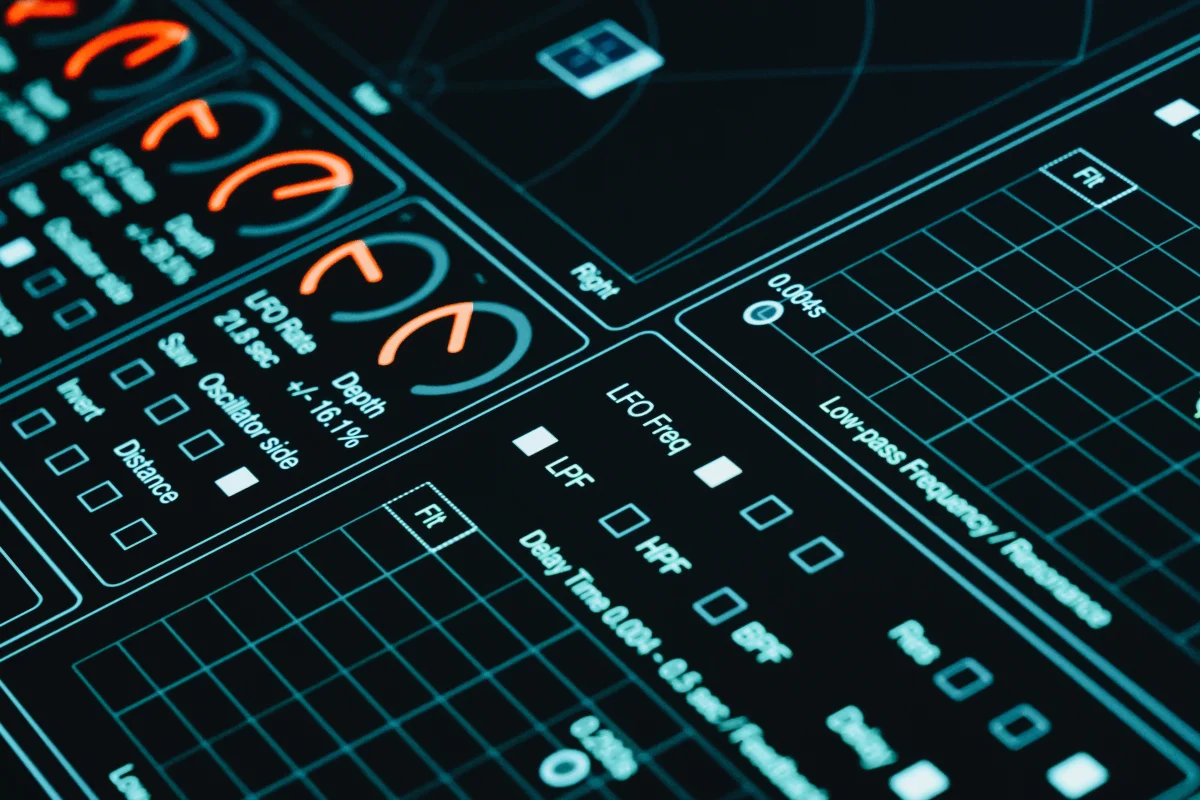

Despite misconceptions, E-Ink technology is carving out a significant niche in the developer space. Its unique qualities of energy efficiency and readability make it an invaluable tool in sustainable technology setups. As more developers seek eco-friendly solutions, E-Ink’s role in tech environments will only grow. This is a solution where form meets function, offering a paper-like experience in a digital world.
Chapter 03
The Road Ahead for E-Ink Dashboards
Exploring the future potential and upcoming innovations in E-Ink technology.
Expanding Horizons
As the technology matures, E-Ink dashboards are poised to incorporate even more advanced features. The potential for color displays, faster refresh rates, and interactive touch capabilities could further enhance their utility in the developer space and beyond.
- Color E-Ink: Enhancing visual data representation.
- Improved Refresh Rates: Broadening real-time application use.
- Interactive Displays: Adding touch capabilities for more dynamic interactions.
- Integration with IoT: Seamless connectivity with smart devices.
- Increased Adoption: Growing presence in educational and commercial sectors.
- Evolving Design Aesthetics: Modern, sleek designs that complement tech environments.
Real-World Implementations
Recent case studies show E-Ink being used in various innovative ways, from smart home displays to public transport signage, proving its versatility and broad appeal.
Best Practices for Adoption
For those considering E-Ink technology, starting with a clear understanding of its strengths and limitations is crucial. Implementing best practices like custom software solutions and tailored hardware selections can maximize the benefits of E-Ink in any setup.
E-Ink dashboards represent a convergence of sustainability and innovation. As they continue to evolve, their role in tech environments will expand, offering energy-efficient, eye-friendly alternatives to traditional displays. In a world where sustainability is paramount, E-Ink technology stands out as a forward-thinking solution that aligns with the future of tech.