The journey from developer to entrepreneur is not merely a career change; it’s a leap into an entirely new mindset. As developers, our world is often defined by lines of code, logical structures, and problem-solving. Yet, transitioning into entrepreneurship requires embracing ambiguity, risk-taking, and visionary thinking. This shift can be daunting but is ultimately rewarding for those ready to innovate and lead.
Chapter 01
The Initial Leap
Transitioning from a developer to an entrepreneur involves a significant mindset shift. Here's how to start.
Understanding the Shift
Making the transition from developer to entrepreneur isn’t simply about changing your job title. It requires a thorough understanding of business fundamentals. As a developer, you might be used to structured environments with clear outcomes. Entrepreneurship, however, is fraught with uncertainties and requires a proactive approach to learning and adaptation.
- Vision Creation: Define the problem your business will solve.
- Market Analysis: Understand your target audience and competition.
- Financial Planning: Prepare for financial uncertainties.
- Networking: Build relationships with potential partners and mentors.
- Skill Diversification: Develop skills beyond coding, such as marketing and sales.
- Leadership Development: Cultivate leadership qualities to inspire and guide your team.
The Entrepreneurial Mindset
The entrepreneurial mindset is characterized by resilience, adaptability, and a relentless drive to succeed. As a developer, transitioning into this mindset involves stepping out of your comfort zone. It requires embracing failure as a learning opportunity and continually seeking ways to innovate and improve.
Historical Context
The tech industry is replete with examples of developers who successfully transitioned to entrepreneurship. Consider the story of Steve Jobs, who not only revolutionized personal computing but also set the standard for design and user experience.
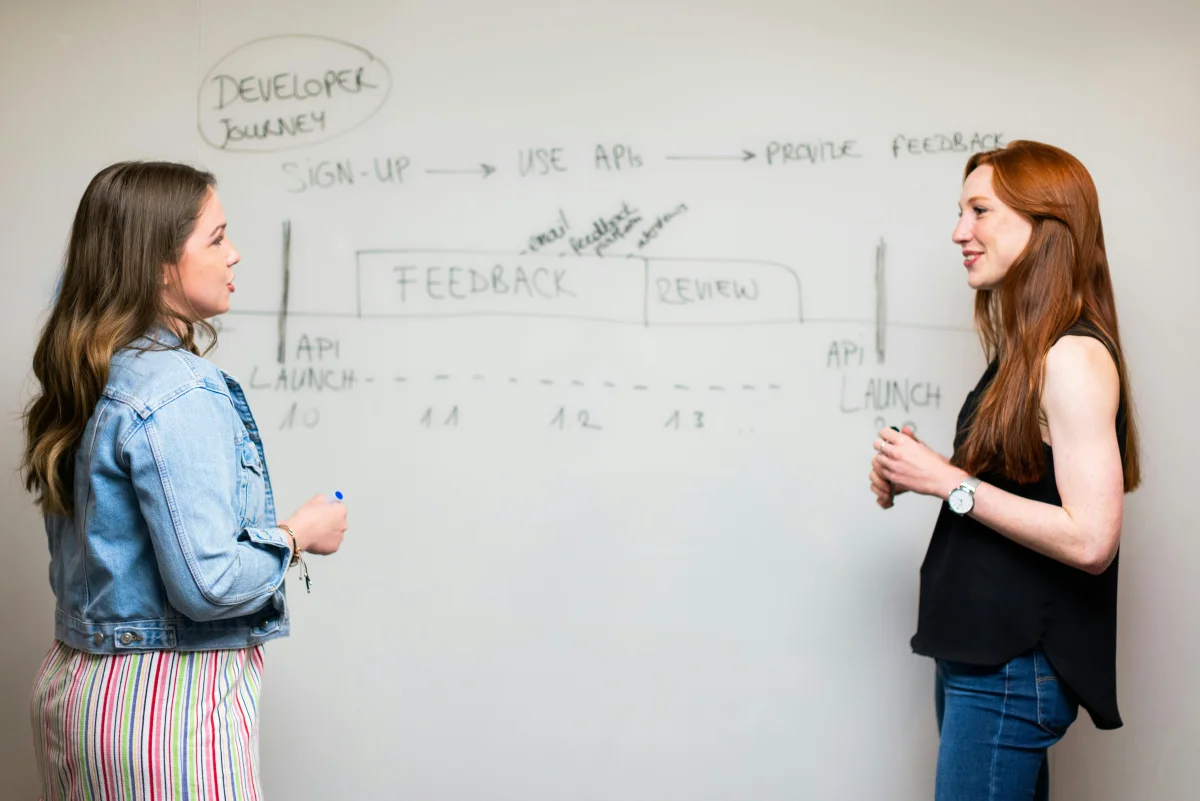
The journey from developer to entrepreneur is not merely a career change; it's a leap into an entirely new mindset.
Chapter 02
Building Your Venture
Once you have the mindset, the next step is to build your business. This involves careful planning and execution.
Narrative flow
Scroll through the argument
01
Ideation
Generate and validate ideas based on your skills and market needs. Conduct thorough research to ensure your concept is viable.
02
Prototyping
Develop a minimum viable product (MVP) to test your idea in the real world. Gather feedback and iterate quickly.
03
Launching
Prepare for a successful launch by crafting a marketing strategy, building a customer base, and setting up operational processes.
Prototyping with Purpose
Prototyping is an essential step in transforming your idea into reality. It allows you to test your assumptions and refine your product based on real-world feedback. This iterative process is crucial for minimizing risks and maximizing the potential for success.
Marketing Your Product
Effective marketing is vital for reaching your target audience. It’s not just about advertising; it’s about telling a compelling story that resonates with potential customers. Utilize digital channels like social media and content marketing to build brand awareness and drive sales.
Avoiding Common Pitfalls
Many startups fail because they overlook the importance of listening to customer feedback. It’s crucial to remain flexible and open to change, adapting your product or service to better meet market demands.
Entrepreneurial Insights



As you navigate the path from developer to entrepreneur, the importance of adaptability cannot be overstated. The tech landscape is constantly evolving, and staying ahead of trends is essential. Embrace continuous learning and be open to pivoting when necessary. This flexibility will serve as the foundation for long-term success.
Chapter 03
Sustaining Growth
After launching, the focus shifts to sustaining and scaling your business. This requires strategic planning and execution.
Scaling Your Business
Once your business is up and running, the challenge becomes sustaining growth. This involves scaling operations, expanding your customer base, and optimizing processes to increase efficiency and profitability.
- Customer Retention: Focus on building lasting relationships with customers.
- Process Optimization: Streamline operations to reduce costs and improve service delivery.
- Talent Acquisition: Hire strategically to support business growth and innovation.
- Technology Integration: Leverage technology to enhance productivity and customer engagement.
- Market Expansion: Explore new markets and diversify your offerings.
- Financial Management: Maintain a healthy cash flow and secure funding for growth initiatives.
A Case Study in Success
Consider the journey of Slack, which started as an internal tool before becoming a global communication platform. Their success was built on understanding user needs and delivering a product that exceeded expectations.
Best Practices for Sustained Success
Adopt best practices such as agile methodologies, continuous feedback loops, and data-driven decision-making to maintain momentum and drive innovation.
Chapter 04
Future Outlook
Looking ahead, it's important to prepare for future challenges and opportunities in the entrepreneurial journey.
Embracing Change
The tech industry is dynamic, with new challenges and opportunities emerging continually. As an entrepreneur, staying informed and adaptable is crucial for long-term success. Embrace change as an opportunity to innovate and lead.
Next Steps
Stay engaged with the tech community, attend industry events, and participate in forums to keep abreast of the latest developments. This engagement will provide insights and inspiration to help you navigate the complexities of entrepreneurship.
Trade-offs and Caveats
While entrepreneurship offers freedom and the potential for significant rewards, it also comes with risks and responsibilities. Be prepared to face challenges, learn from failures, and celebrate successes with humility.
The transition from developer to entrepreneur is a challenging yet rewarding journey. It requires a shift in mindset, a willingness to embrace uncertainty, and a commitment to continuous learning. Ultimately, the skills and insights you gain will not only transform your career but also create a lasting impact on the world.