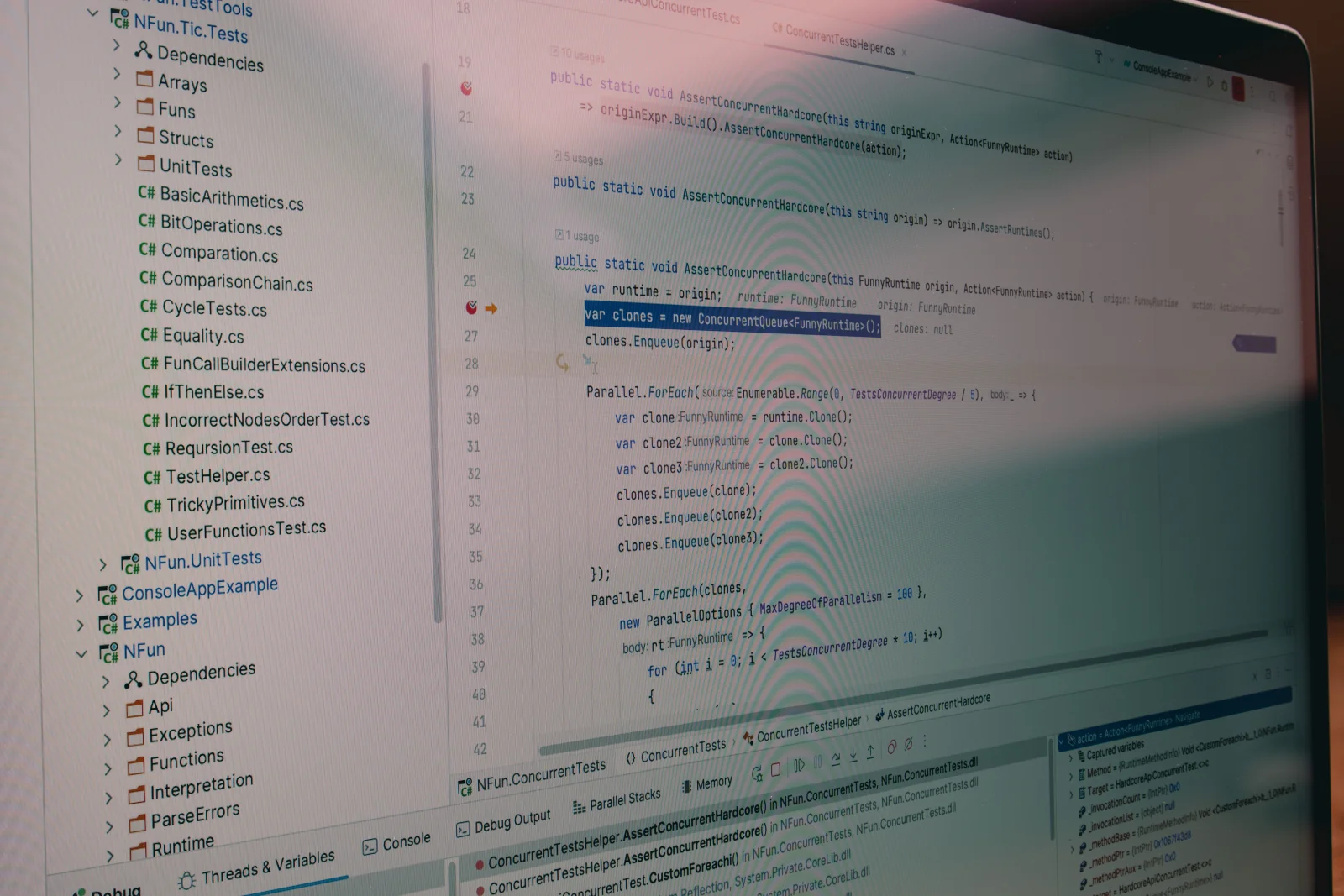
JavaScript, the language that powers much of the web, is known for its flexibility. However, this flexibility can also be a double-edged sword, leading to significant vulnerabilities if not handled with precision. This article explores how seemingly minor coding oversights can become avenues for exploitation.
Chapter 01
The Tiny Door
Understanding the minute details in JavaScript that can lead to vulnerabilities.
Overlooked Details, Big Consequences
In the world of JavaScript development, tiny errors can have massive impacts. Imagine a door left slightly ajar; it may not seem like a big deal, but it can lead to significant security breaches. Cross-Site Scripting (XSS) is one such vulnerability that often arises from these small oversights.
const userInput = '<img src="x" onerror="alert(1)">'This line of code might appear innocuous, but it opens the door for malicious scripts to execute, leading to potential data theft.
The Nature of XSS
XSS attacks occur when attackers inject malicious scripts into content from otherwise trusted websites. This can happen when user input is not properly sanitized. The implications? Compromised user sessions, defaced websites, and stolen data. It’s a classic example of how a tiny door can lead to a giant security breach.
JavaScript, the language that powers much of the web, is known for its flexibility.
A security researcher
Chapter 02
Securing the Code
Approaches to mitigate the risks posed by JavaScript vulnerabilities.
Steps to Fortify Your JavaScript
Securing JavaScript code requires a proactive approach. Implementing security measures can effectively close these tiny doors that attackers seek.
Narrative flow
Scroll through the argument
01
Input Validation
Ensure all inputs are validated and sanitized to prevent malicious data from being processed.
02
Content Security Policy
Utilize CSP headers to restrict the sources of scripts that can run on your site.
03
Regular Updates
Keep all libraries and dependencies updated to patch known vulnerabilities.
JavaScript Security Measures

The Bigger Picture
Beyond these measures, fostering a culture of security awareness within development teams is vital. Developers must be equipped with the knowledge to identify potential threats and implement secure coding practices. This holistic approach ensures that the application remains secure from the ground up.
The journey to securing JavaScript is ongoing. As threats evolve, so must our strategies to combat them. By focusing on these small yet significant details, developers can protect their applications from becoming easy targets.
In conclusion, while JavaScript offers immense power and flexibility, it requires rigorous security measures to prevent exploitation. Understanding and addressing these vulnerabilities is critical for maintaining a secure application environment. Remember, the security of your application is only as strong as the weakest link.