OpenAI’s promise of seamless code generation is a double-edged sword. While it can accelerate development, mistranslation issues often become stumbling blocks for developers relying on AI-generated code. Understanding why these errors occur is crucial for integrating AI tools effectively.
Chapter 01
The Roots of Mistranslation
Mistranslation in AI code generation stems from deeper issues related to context and nuance.
Understanding AI Code Generation
OpenAI’s models, primarily built on natural language processing, aim to translate human intent into executable code. However, mistranslation often arises when the AI misinterprets the context, leading to incorrect code snippets. This disconnect between intention and output underscores the limitations inherent in current AI models.
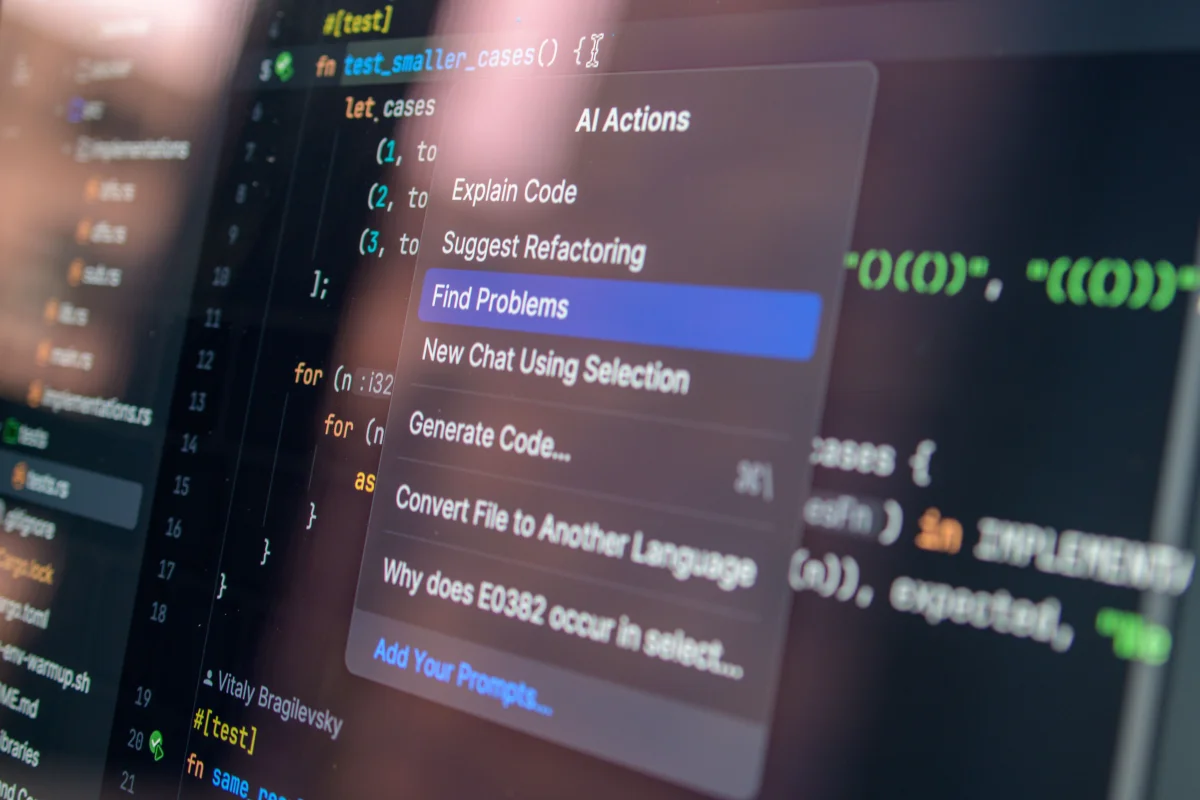
However, mistranslation often arises when the AI misinterprets the context, leading to incorrect code snippets.
A software development expert
Common Mistranslation Scenarios
Developers encounter various mistranslation scenarios, such as:
- Variable Misnaming: AI occasionally substitutes variable names incorrectly, leading to runtime errors.
- Logic Flaws: Incorrect logic paths are suggested, causing unexpected behavior.
- API Misuse: AI might recommend deprecated or incorrect API calls.
Each scenario highlights the need for vigilant code review and understanding of AI limitations.
Narrative flow
Scroll through the argument
01
Step 1: Input Clarity
Clear and precise input is crucial to minimize AI misinterpretation.
02
Step 2: Contextual Awareness
Developers must ensure that contextual clues are embedded in their queries.
03
Step 3: Post-Generation Review
Reviewing and testing generated code is essential to catch mistranslations.
Mitigating Mistranslation Risks
While mistranslations can’t be eliminated entirely, developers can take steps to mitigate risks. Providing clearer input, understanding AI’s operational limits, and maintaining robust testing protocols help in reducing errors.
Mistranslation Impact
Chapter 02
The Path Forward
Addressing mistranslation involves both technological and methodological advancements.
Enhancing AI Code Tools
To improve AI code generation, ongoing research aims to enhance models with better contextual understanding. Innovations in AI training and feedback loops are essential for reducing mistranslation rates.
The Role of Developers
Developers play a pivotal role in shaping the AI tools they use. By providing feedback and participating in iterative development processes, they help refine these tools to better serve their needs.
def process_data(data):
# AI-generated logic that needs review
if not data:
    return "No data"
# Potential mistranslation in conditional checks
return len(data)In the realm of AI code generation, mistranslation is a hurdle that demands both technological solutions and active developer engagement. As tools evolve, so too must our understanding of their limitations and potential.