
In a world where surveillance technology evolves at an unprecedented rate, the challenge of protecting civil liberties looms larger than ever. The promise of security often collides with the fundamental right to privacy, leaving society at a crossroads. The stakes are high, and the implications profound: will we safeguard our freedoms, or allow them to be eroded in the name of technological progress?
Chapter 01
The Rise of Surveillance
Tracing the evolution of surveillance technology and its impact on privacy.
Understanding Surveillance Technology
The rapid development of surveillance technology has transformed how governments and corporations monitor individuals. These tools can record, monitor, and analyze data at scale, raising concerns about privacy and civil liberties.
- CCTV cameras: Ubiquitous in urban areas, capturing movements.
- Facial recognition: Identifies individuals in real-time.
- Data mining: Extracts personal information from digital footprints.
- Drones: Conduct aerial surveillance, often without consent.
- Internet tracking: Monitors online activity and behavior.
- Biometric systems: Collects physical data like fingerprints and iris scans.
The Legal Landscape
As surveillance capabilities expand, legal frameworks struggle to catch up. Laws must balance security needs with individual rights, yet many remain outdated or insufficient.
Historical Context
The use of surveillance isn’t new, but today’s technology amplifies its reach and potential for misuse. Historical precedents show how unchecked surveillance can lead to civil liberties violations.
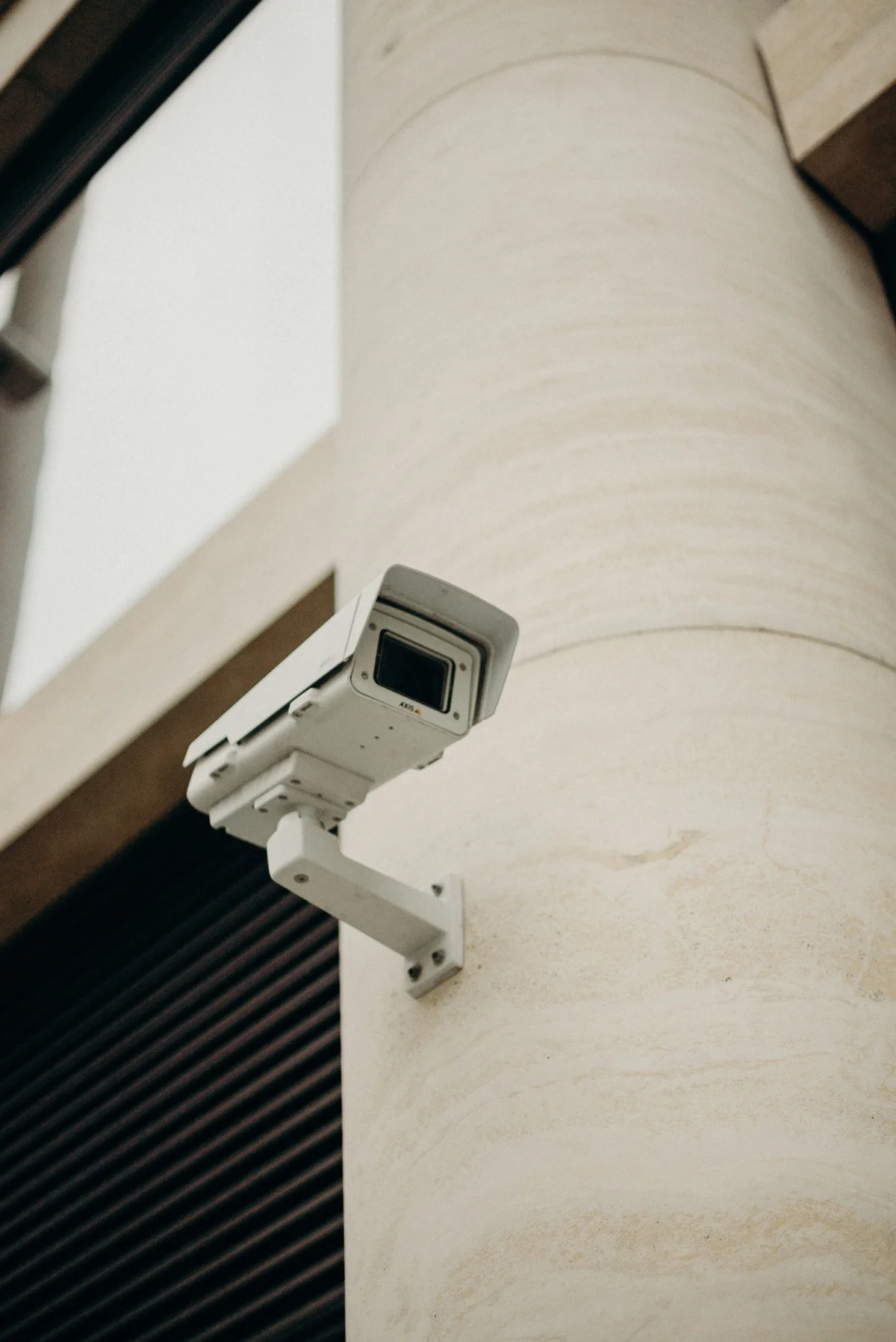
In a world where surveillance technology evolves at an unprecedented rate, the challenge of protecting civil liberties looms larger than ever.
Chapter 02
Ethical Challenges
Exploring the ethical dilemmas posed by surveillance technology.
Narrative flow
Scroll through the argument
01
Step 1: Identifying Risks
Surveillance poses risks to privacy, leading to potential abuses of power. Identifying these risks is crucial to develop safeguards.
02
Step 2: Legal and Ethical Frameworks
Developing robust legal and ethical frameworks ensures that surveillance technology respects civil liberties and operates transparently.
03
Step 3: Public Engagement
Engaging the public in discussions about surveillance can lead to more informed policies that protect individual rights.
Balancing Security and Privacy
The need for security often justifies surveillance, yet it must not come at the expense of privacy rights. Transparency and accountability are key to maintaining trust.
Technological Limitations
Even the most advanced surveillance tools have limitations. Understanding these limitations can prevent overreliance and misuse.
Misconceptions and Myths
Common misconceptions about surveillance technology can hinder informed decision-making. Debunking these myths is essential to pave the way for effective policies.
Surveillance in Action
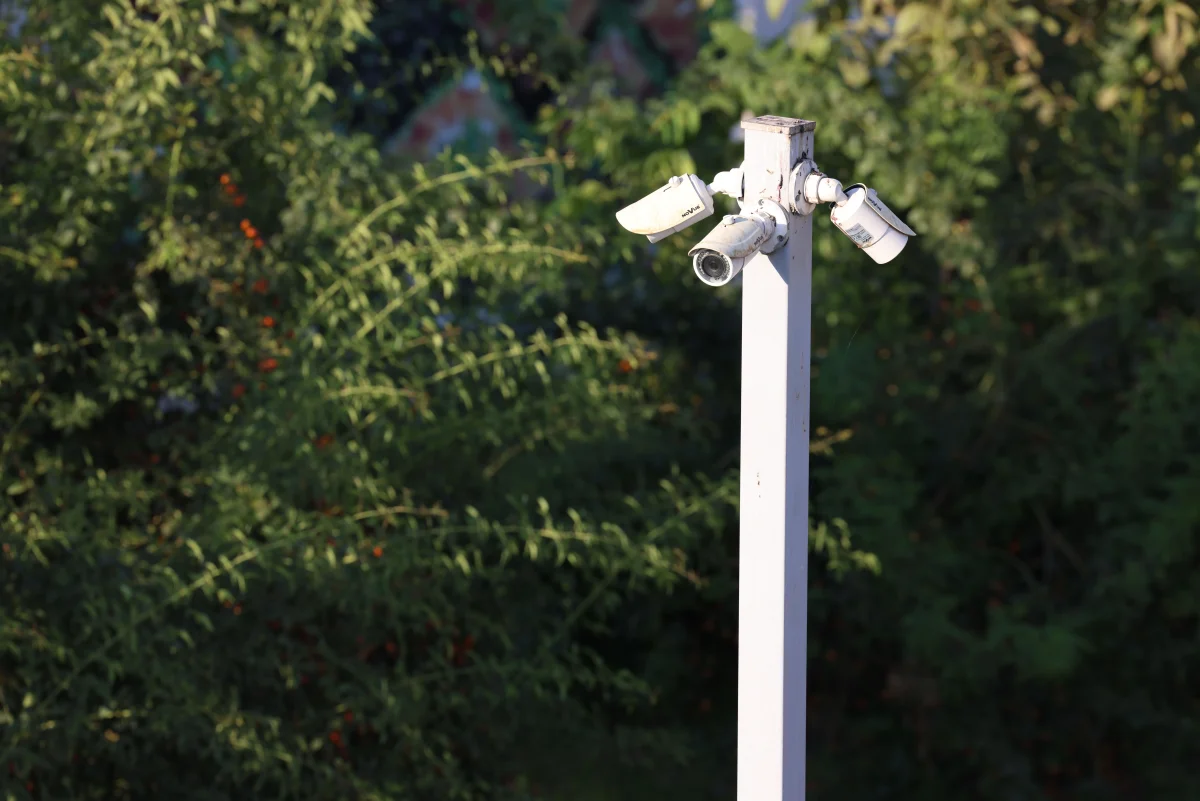
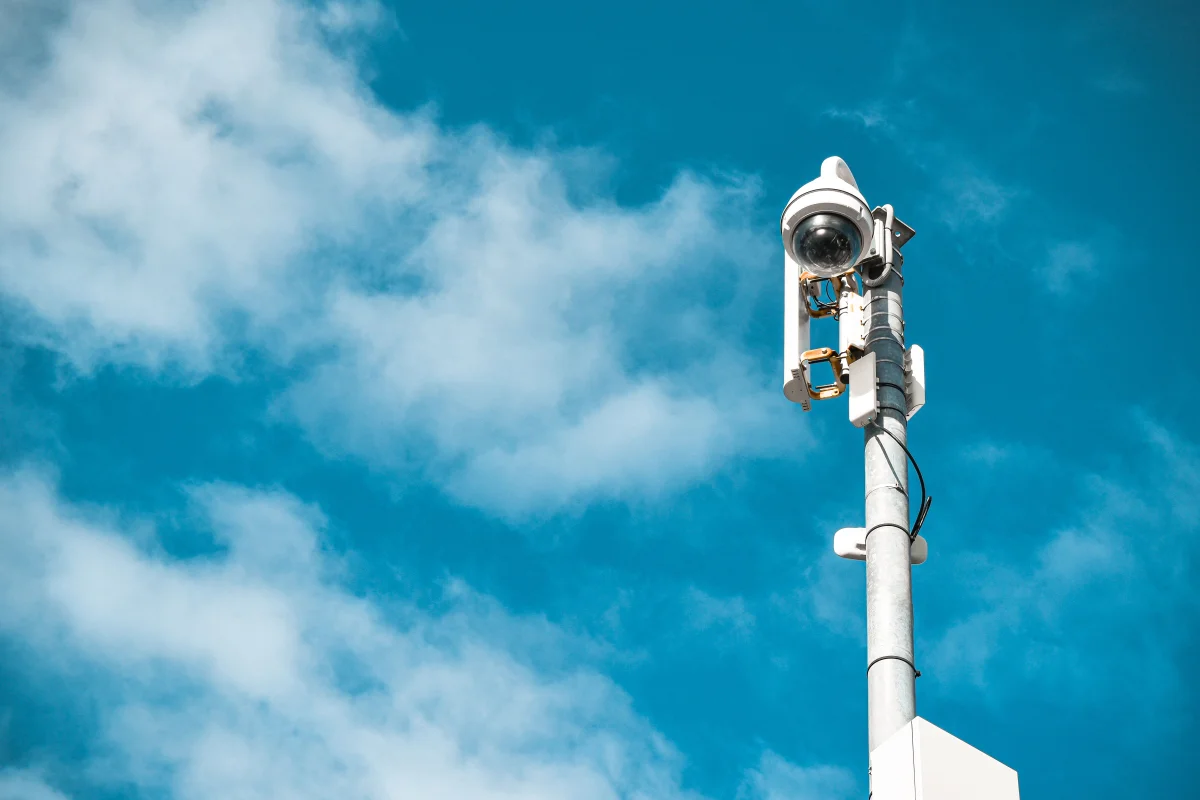
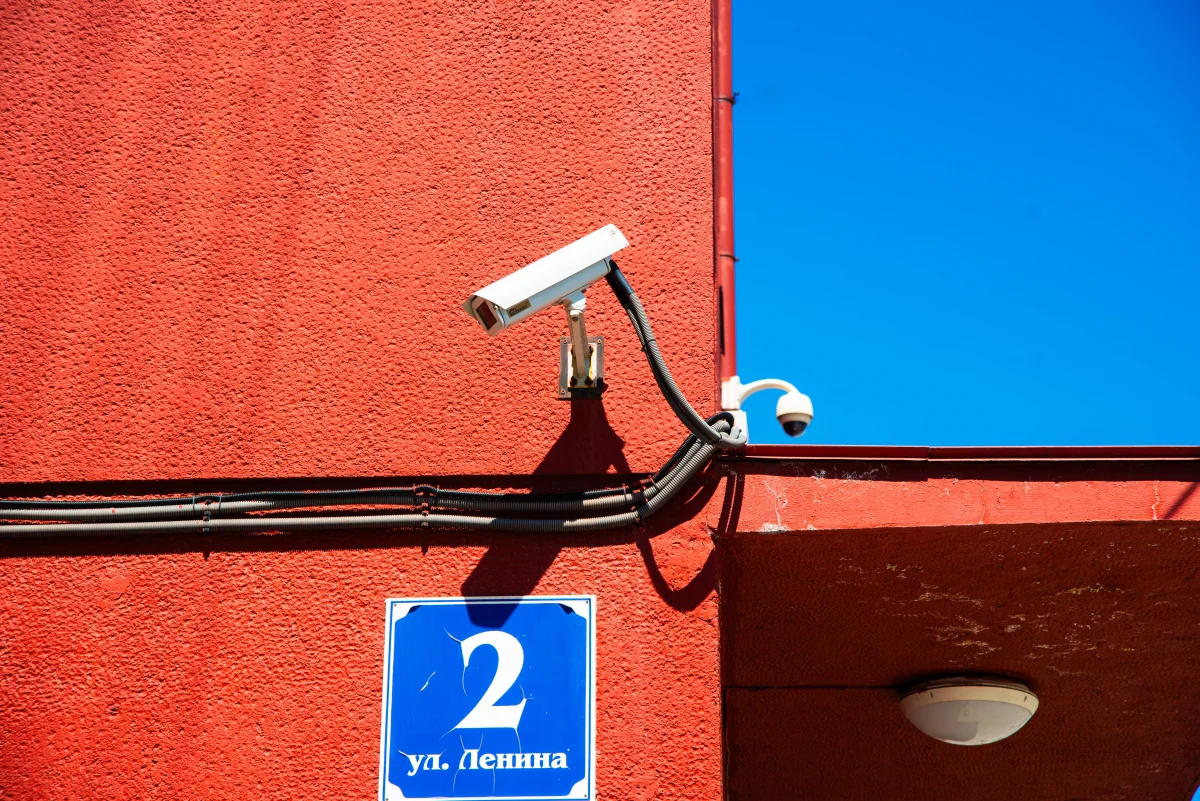
As we navigate the complex landscape of surveillance technology, the choices we make today will define the balance between security and civil liberties for generations to come. Vigilance, transparency, and ethical stewardship are our strongest tools in safeguarding privacy.
The future of surveillance technology is unwritten. It holds the potential to enhance security and efficiency but must be guided by principles that prioritize human dignity and freedom. As we stand at this crossroads, the path we choose will reflect our values and the world we wish to create. The choice is ours, and the time to act is now.