Emerging Tech
Radar's Geofencing Revolution
Unlock scalable location solutions for startups.
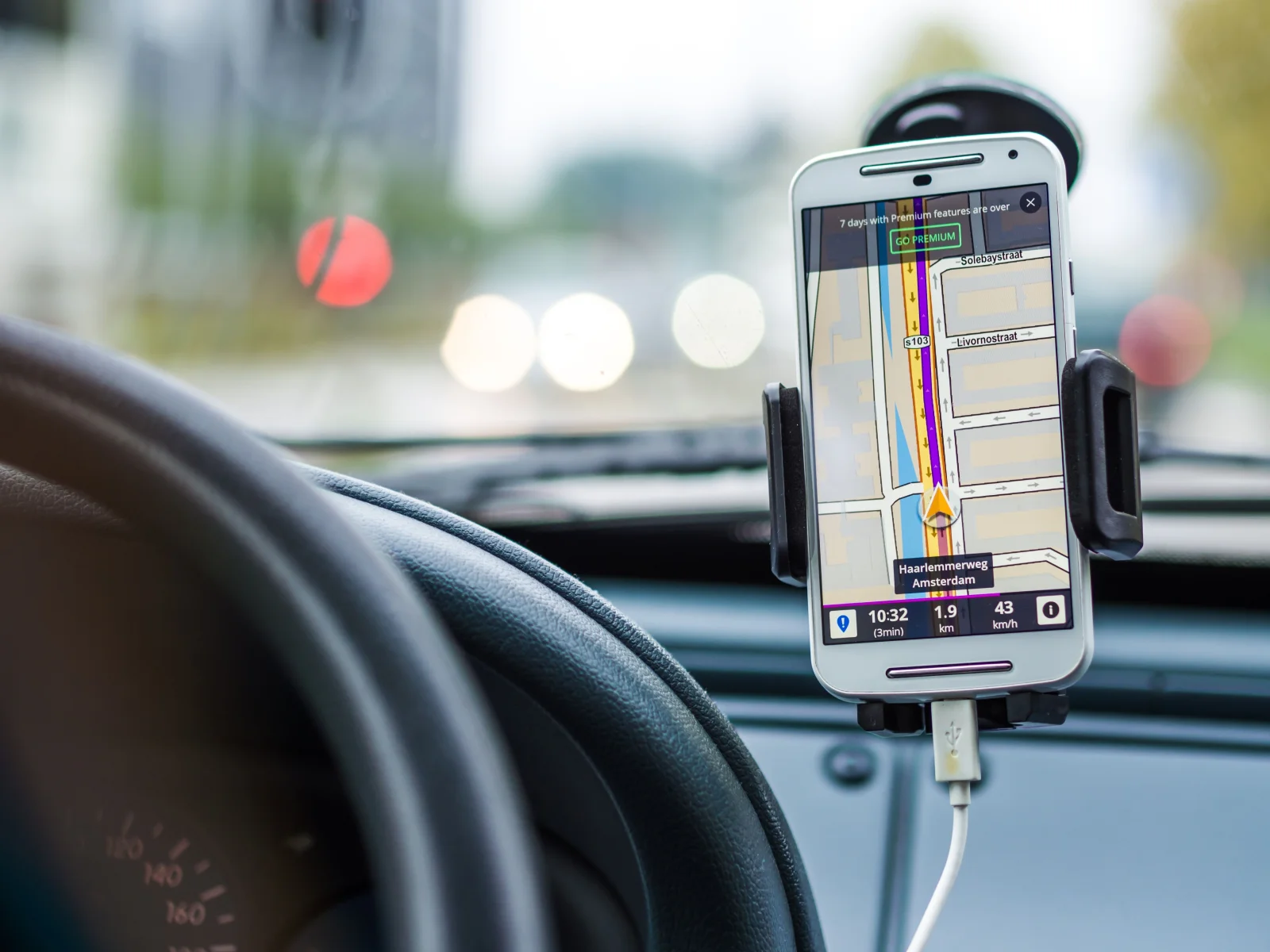
Radar’s location services are transforming how startups approach geofencing and tracking. As businesses strive to harness the power of geolocation, the ability to scale efficiently becomes paramount. Radar provides a toolkit that is not only powerful but also adaptable to the unique demands of new ventures.
In the bustling world of startups, every advantage counts. The capacity to deploy and manage geofences and track assets in real-time can offer a competitive edge. Yet, the challenge lies in implementing these technologies without overwhelming resources. Radar steps in with a solution designed for this balance.
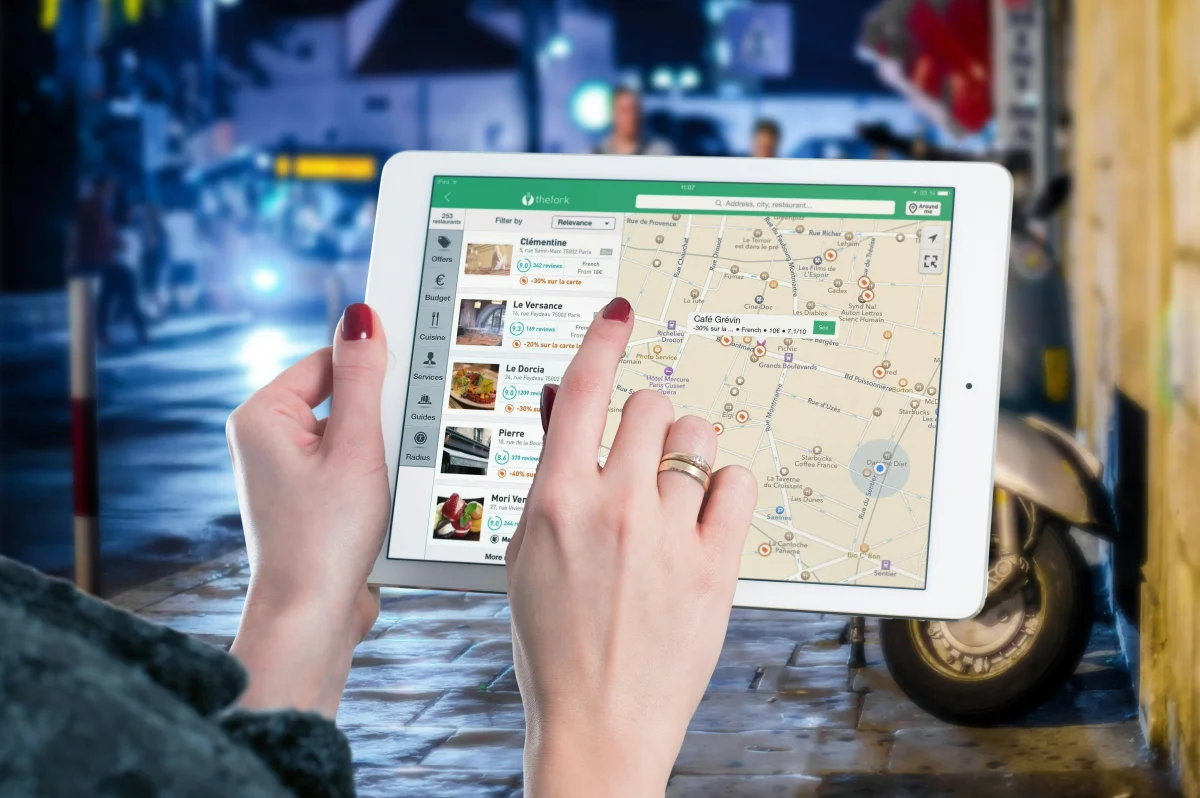
Imagine a bustling cityscape, each movement captured and analyzed, offering insights into customer behaviors and operational efficiencies. With Radar, this scenario is not just possible but accessible. The integration of geofencing into business strategies opens a new frontier of opportunities.
Chapter 01
The Geofencing Landscape
Explore the current state of geofencing and why it's crucial for startups.
Understanding Geofencing
Geofencing is a location-based service where an app or other software uses GPS, RFID, Wi-Fi, or cellular data to trigger a pre-programmed action when a mobile device enters or exits a virtual boundary set up around a geographical location. Here’s why it matters:
- Customer Engagement: Enables personalized marketing strategies.
- Operational Efficiency: Streamlines logistics and resource allocation.
- Data Insights: Provides actionable data for strategic decisions.
- Security: Enhances asset tracking and loss prevention.
- Scalability: Easily adapts to business growth.
- Cost-Effectiveness: Reduces overhead by optimizing operations.
The Importance of Scalability
For startups, scalability is not just a feature; it’s a necessity. The ability to quickly adapt technology to growing demands can define a business’s success. Radar’s geofencing services are designed with this in mind, offering seamless integration and expansion capabilities.
Historical Context of Geofencing
Geofencing has evolved from basic GPS-based systems to sophisticated platforms that integrate various data sources for more accurate and reliable tracking. This evolution has made it an indispensable tool for modern businesses, particularly those in dynamic environments like urban settings.

Radar's location services are transforming how startups approach geofencing and tracking.
Chapter 02
Implementing Radar Solutions
Discover the practical steps to integrate Radar's geofencing services in your startup.
Narrative flow
Scroll through the argument
01
Define Objectives
Start by identifying what you hope to achieve with geofencing. Are you looking to improve logistics, enhance customer engagement, or gather data insights? Clear objectives guide the implementation process.
02
Choose the Right Tools
Radar offers a suite of tools tailored to various needs. Evaluate these options and select the ones that align with your objectives and technical capabilities.
03
Integrate and Test
Implement the chosen solutions into your existing systems. Rigorous testing ensures that the geofencing works as expected, without disrupting current operations.
04
Monitor and Optimize
Post-implementation, continuously monitor the system’s effectiveness. Use insights gained to optimize and refine the geofencing strategy, ensuring it evolves with your business.
Integration Example
Consider a startup in the logistics sector. They implemented Radar’s geofencing to streamline delivery routes. By setting up virtual perimeters around key locations, they optimized driver routes in real-time, reducing delivery times by 25%.
Common Pitfalls
While integrating geofencing, startups often overlook the importance of data privacy. It’s crucial to ensure compliance with local regulations and to communicate transparently with customers about data usage.
Geofencing in Action


The integration of geofencing is transformative, but it requires careful planning and execution. By leveraging Radar’s solutions, startups can navigate the complexities of geolocation with confidence, ensuring that their technological investments yield tangible returns.
Chapter 03
Real-World Applications
Examine how startups are utilizing geofencing to revolutionize their industries.
Practical Use Cases
Startups across various sectors are finding innovative ways to apply geofencing. Here are some examples:
- Retail: Personalized promotions based on customer location.
- Transportation: Efficient management of fleet vehicles.
- Healthcare: Patient tracking for enhanced care coordination.
- Event Management: Visitor flow control and data collection.
- Real Estate: Enhanced property security and management.
- Education: Campus safety and student engagement initiatives.
A Case Study in Retail
Consider a retail startup that used geofencing to send targeted promotions to customers as they approached their store. This strategy not only increased foot traffic but also boosted sales by 30% during promotional periods.
Best Practices
- Privacy First: Always prioritize user consent and transparency.
- Continuous Improvement: Use data insights to refine geofencing strategies.
- Customization: Tailor geofencing to specific business needs and customer behaviors.
Chapter 04
Future Perspectives
Explore the long-term implications and future trends of geofencing technology.
The Road Ahead
As technology advances, geofencing will continue to evolve, offering even more sophisticated tools for startups. The key to future success lies in the ability to adapt and innovate, leveraging new features and capabilities as they become available.
Implementing Future Strategies
Startups should focus on integrating emerging technologies like AI and machine learning to enhance geofencing capabilities. These advancements can provide deeper insights and more predictive power, driving smarter business decisions.
Balancing Innovation with Ethics
While the potential for growth is immense, it’s essential to balance technological innovation with ethical considerations. Startups must navigate the complexities of data privacy and consumer trust, ensuring that their use of geofencing remains responsible and respectful.
In the dynamic landscape of startups, geofencing is a catalyst for growth, offering scalable, efficient solutions to complex challenges. Radar’s location services empower businesses to not only meet their current needs but also anticipate future demands, positioning themselves for long-term success.