
Deep Dive
Robotics: The Ultimate Engineering Puzzle
Unpacking the multitude of challenges that make robotics a uniquely demanding field.
Within the technological sphere, robotics is distinctively characterized by its integration of mechanical engineering, electrical engineering, and computer science. This blend presents a field teeming with intricate challenges and complexity. Robotics engineers face the challenge of maneuvering through a maze of details, ranging from manufacturing precision to adaptability in ever-changing environments.
Chapter 01
Multidisciplinary Complexity
Robotics requires a harmonious blend of diverse engineering disciplines.
Uniting Mechanical and Electrical Engineering
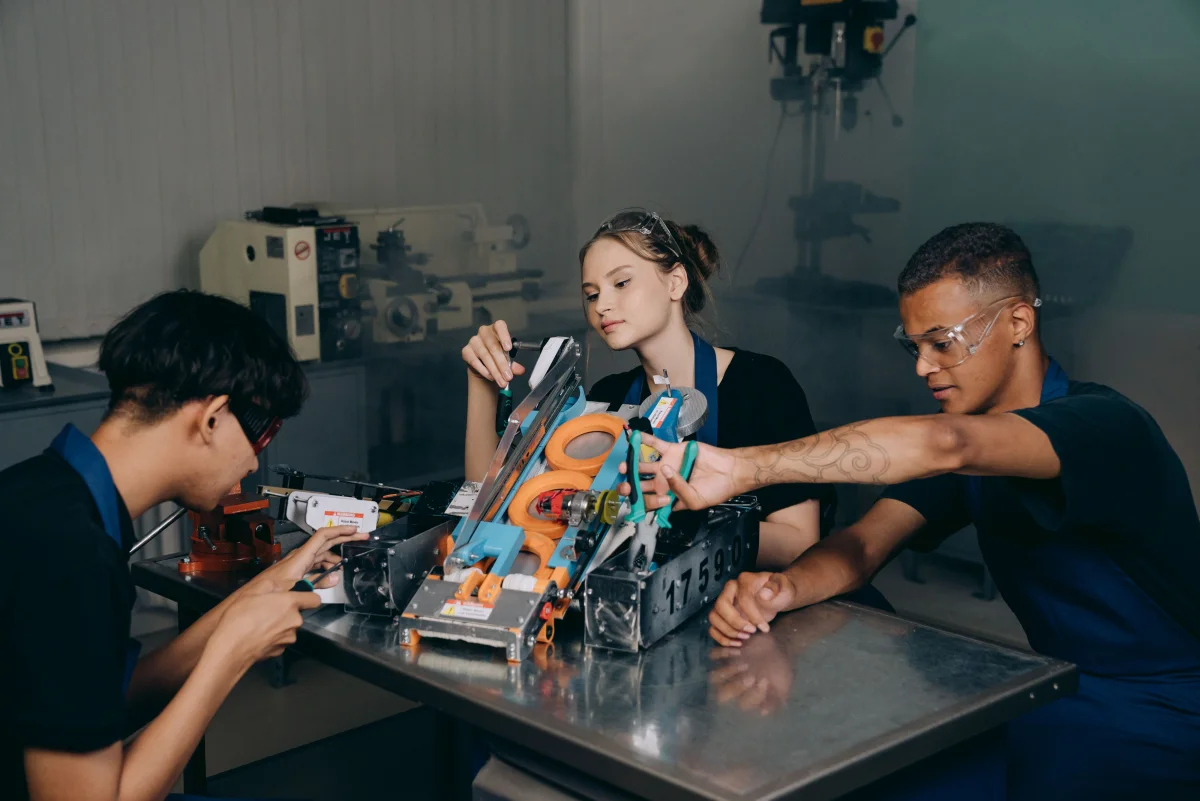
A robotic system’s foundation is rooted in its mechanical and electrical elements. Mechanical engineering builds the structural framework, including gears and actuators, while electrical engineering provides the power and control systems essential for operation. Seamlessly merging these areas is a considerable challenge. Engineers must ensure that their mechanical designs endure the real-world conditions and that the electrical systems offer precise control and responsive feedback.
Tackling Software Challenges
Beyond the hardware, complex software is crucial for interpreting sensor data and executing commands in robotics. Creating algorithms capable of efficient path planning, object recognition, and decision-making is essential. A simple software glitch could lead to major operational issues, underscoring the necessity of thorough testing and validation.
A robotic system is only as reliable as its weakest component.
A robotics engineer
Chapter 02
Precision and Reliability
Achieving accuracy and dependability in robotics is paramount yet challenging.
Importance of Precision
Precision is crucial for robotic functions. Whether functioning as a robotic arm in industry or a drone navigating complex terrains, precise movement is critical. Even minor inaccuracies in sensors or actuators can cause significant errors, impacting the robot’s task performance. This demand for accuracy requires high-quality components and detailed calibration.
Narrative flow
Scroll through the argument
01
Step 1: Design with Precision
The initial design phase must account for all potential sources of error, from mechanical tolerances to sensor inaccuracies.
02
Step 2: Rigorous Testing
Testing under various conditions helps identify weaknesses and improve reliability.
03
Step 3: Continuous Improvement
Feedback loops and updates ensure that the system evolves with changing requirements.
Ensuring Reliability in Varied Environments
Robots frequently find themselves in environments that are both unpredictable and dynamic. This unpredictability introduces yet another level of complexity, requiring systems to adapt swiftly to unforeseen changes. Robust algorithms and adaptive mechanisms are essential for ensuring that these systems can meet such challenges without compromising their performance.
Challenges in Robotics


The Impact of AI
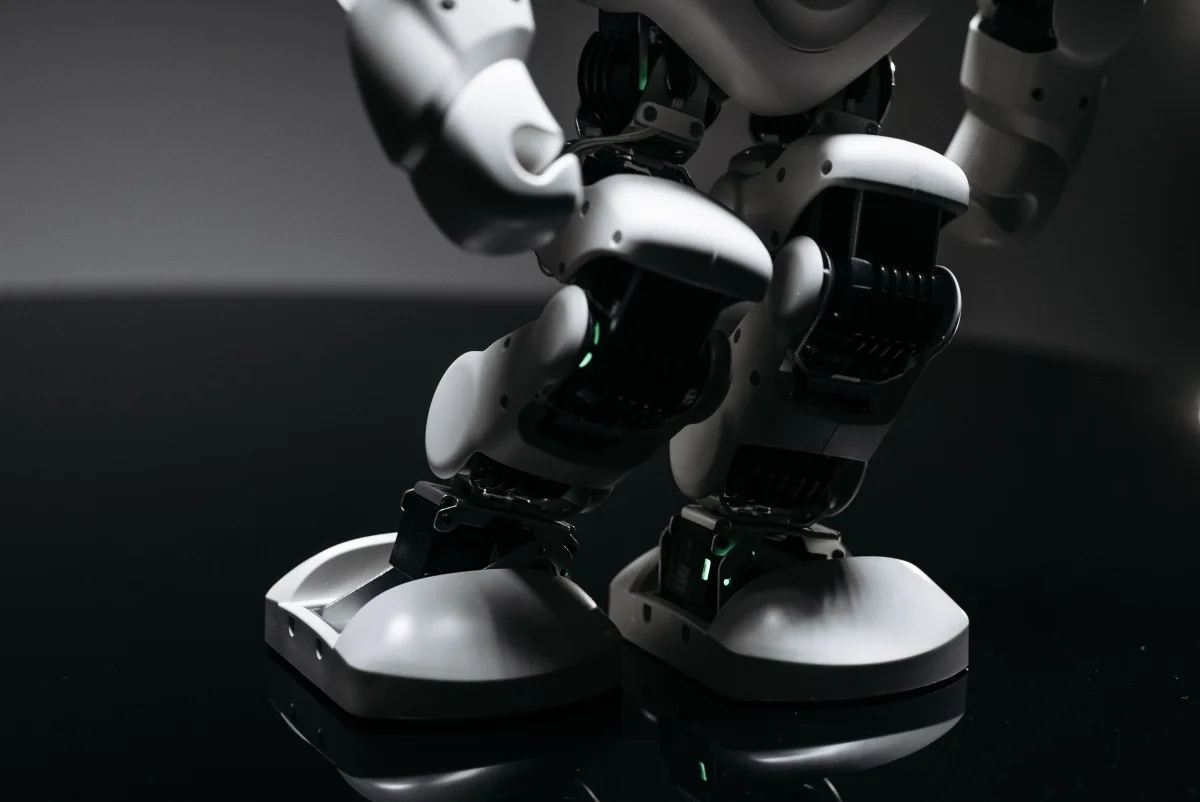
Artificial Intelligence significantly enhances the adaptability and intelligence of robotic systems. Through AI, robots gain the capability to learn from their surroundings and make decisions based on real-time data. However, the integration of AI in robotics presents its own challenges. Thorough considerations must be given to ethical implications, data privacy, and bias management.
The field of robotics demands precision, where even the slightest errors can lead to significant consequences. As technology progresses, challenges become more complex, requiring increasingly sophisticated solutions. Despite the difficulties, the journey holds the promise of transformative rewards.
The art of robotics ultimately relies on balancing complexity with simplicity, and precision with adaptability. This field continually pushes the boundaries of machine capabilities, prompting engineers to innovate beyond the conventional.