Retro Revival
The Return of Voodoo Graphics
Recreating a late-1990s gaming PC
In the mid-to-late 1990s, the gaming landscape was transformed by the introduction of 3D acceleration. At the forefront was the legendary Voodoo Graphics card, which powered a generation of unforgettable gaming experiences. Today, tech enthusiasts and nostalgic gamers alike are revisiting this golden era by recreating gaming PCs from the late 1990s. This endeavor not only captures the essence of a bygone era but also presents a unique challenge for hardware aficionados.
Chapter 01
The Voodoo Revolution
Dive into the impact of Voodoo Graphics and its role in shaping gaming history.
The Birth of 3D Acceleration
The introduction of the Voodoo Graphics card was a game changer for PC gaming. Prior to its release, gamers relied heavily on software rendering, which often resulted in choppy frame rates and lackluster visuals. The Voodoo Graphics card changed that by offering dedicated 3D acceleration, allowing games to run smoother and look better.
Architectural Brilliance
Unlike modern GPUs, Voodoo cards were designed specifically for 3D rendering. This focus allowed them to excel in their domain, providing visual effects that were previously impossible on consumer-grade hardware. The architecture was simple yet effective, prioritizing performance over versatility.
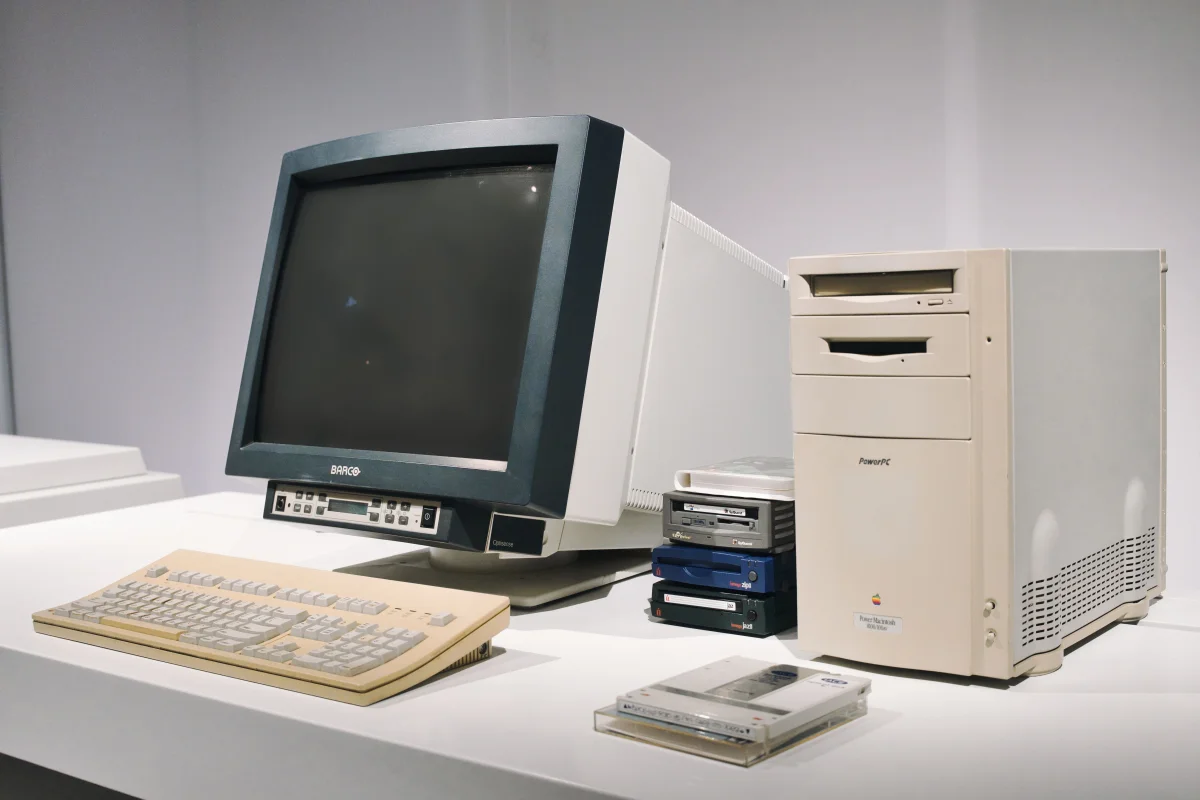
In the mid-to-late 1990s, the gaming landscape was transformed by the introduction of 3D acceleration.
A retro hardware enthusiast
Chapter 02
Building Your Retro PC
Explore the components needed to recreate a 1990s gaming PC.
Sourcing Authentic Components
Recreating a 90s gaming PC starts with sourcing authentic components. Motherboards and CPUs from this era can be hard to find, but they are crucial for an authentic experience. Websites like eBay and specialty forums can be treasure troves for these vintage parts.
Building Blocks of Nostalgia


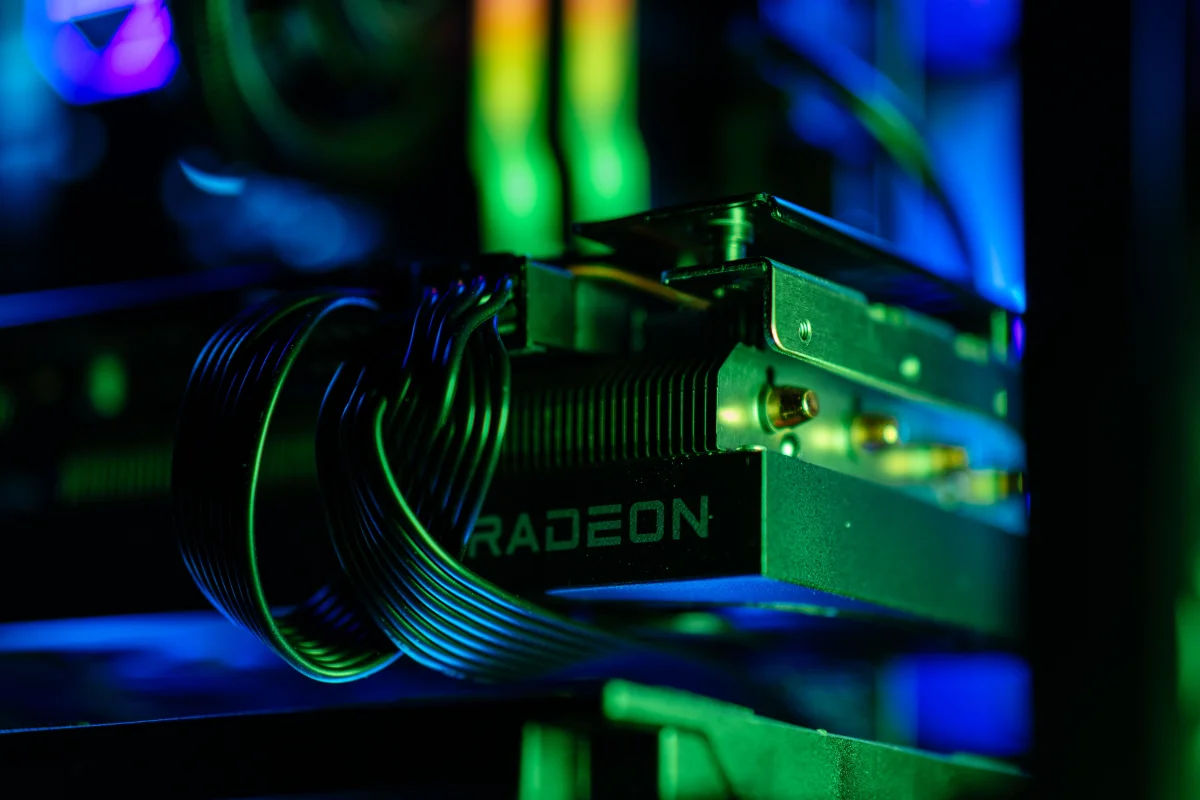
The Software Frontier
Once you’ve assembled the hardware, the next step is to install an OS that suits the period. Windows 95 or 98 are popular choices, offering compatibility with a wide range of retro games. Remember, the software environment is as crucial as the hardware in recreating the authentic experience.
Narrative flow
Scroll through the argument
01
Step 1: Gather Components
Begin by sourcing a Voodoo Graphics card, period-specific motherboard, and compatible CPU.
02
Step 2: Assemble the PC
Carefully piece together the components, ensuring compatibility and authenticity.
03
Step 3: Install Software
Install a period-appropriate operating system like Windows 95 or 98 to complete the setup.
Chapter 03
The Joy of Retro Gaming
Understand why retro gaming remains popular and its impact on gaming culture.
Nostalgia and Simplicity
Retro gaming offers a nostalgic journey back to a simpler time. The games of the 1990s were often more straightforward, focusing on gameplay rather than intricate storylines or complex mechanics. This simplicity is a major draw for modern gamers looking to experience the roots of the industry.
The Community Aspect
The retro gaming community is a vibrant and passionate group. Enthusiasts gather at conventions, online forums, and social media to share experiences and tips. This sense of community adds a social dimension to the hobby, making it more than just a solitary endeavor.
The allure of recreating a late-1990s gaming PC lies not just in the nostalgia, but in the tangible connection to the evolution of gaming technology. Each component tells a story of innovation and the rapid progress that has shaped today’s gaming landscape. By diving into the past, we gain a greater appreciation for the technology that continues to push the boundaries of what’s possible.