Refactoring is a cornerstone of software development, a practice that focuses on improving code quality and maintainability without altering its external behavior. It is a delicate balance, where precision and patience can transform a tangled codebase into a masterpiece of clarity and efficiency.
Chapter 01
Understanding Refactoring
Explore the fundamentals of refactoring and why it's essential in modern software development.
Why Refactor?
Refactoring is not just about cleaning up code; it’s about creating a sustainable development environment. By improving the structure of your code, you make it easier to understand, reduce the risk of bugs, and streamline future enhancements.
- Improved Readability: Clear, concise code is easier to read and maintain.
- Reduced Complexity: Simplifying code structures can prevent errors.
- Enhanced Performance: Optimized code can lead to faster execution.

Well-structured code is the foundation of scalable systems.
A senior software architect
Key Principles
Refactoring should be guided by several key principles to ensure that the process enhances rather than hinders the codebase:
- Keep It Simple: Avoid over-engineering solutions.
- Small Steps: Refactor in small, manageable increments.
- Automated Testing: Ensure tests cover the refactored code.
Narrative flow
Scroll through the argument
01
Identify the Need
Assess areas of the code that require improvement based on complexity or frequent bug reports.
02
Plan the Changes
Outline the intended modifications and ensure they align with project goals.
03
Implement and Test
Carefully apply changes and utilize automated tests to confirm functionality remains intact.
Chapter 02
Techniques for Safe Refactoring
Learn practical techniques to refactor safely, minimizing risks and maximizing code quality.
Incremental Refactoring
Breaking down refactoring into smaller chunks can reduce risk and allow for continuous integration. By tackling one section of code at a time, developers can ensure each change is thoroughly tested and integrated without disrupting the entire system.
Code Example: Refactoring a Function
Let’s consider a common scenario: refactoring a redundant JavaScript function. Here’s how you might streamline its operations:
function calculateTotal(items) {
let total = 0;
items.forEach(item => {
  total += item.price * item.quantity;
});
return total;
}

function calculateTotalRefactored(items) {
return items.reduce((total, item) => total + item.price * item.quantity, 0);
}
The refactored version uses reduce, simplifying the code and potentially improving performance.
Visualizing Changes
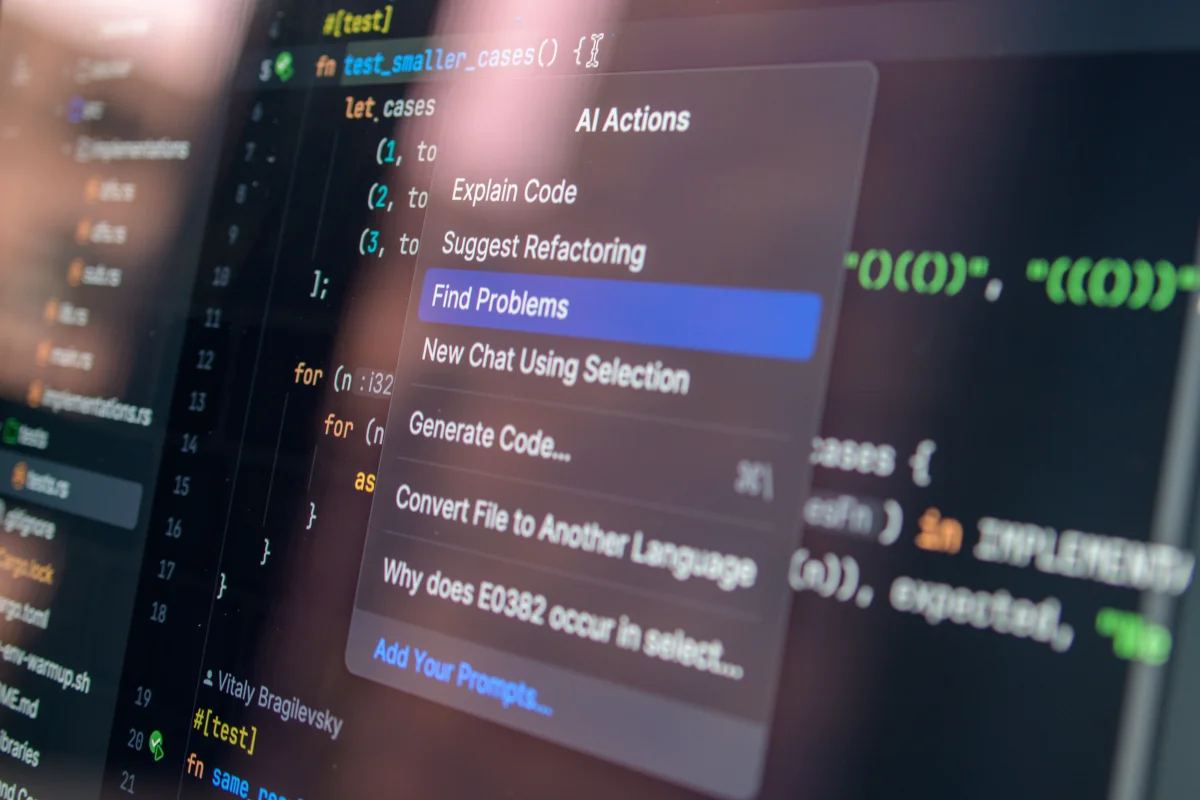
To enhance understanding and communicate changes effectively, use visual aids. Flowcharts, diagrams, and code diff tools can highlight improvements and make it easier for team members to grasp the scope of refactoring.
Visual Tools for Refactoring


Refactoring is a journey towards excellence in coding. By adhering to best practices and leveraging tools like automated testing, developers can enhance their codebases without fear of unintended consequences. Remember, the goal is not just to change code but to improve it in ways that are sustainable and scalable.