
The Lycurgus Cup, a remarkable relic from the 4th century Roman era, continues to fascinate both scientists and historians with its extraordinary ability to change colors. This ancient piece achieves its enchanting transformation through the interaction of light with nanoscale metal particles. Today’s material scientists are working to decode its mysteries with the goal of adapting this effect for modern manufacturing techniques.
Chapter 01
The Ancient Wonder
The Lycurgus Cup reveals how ancient craftspeople blended art with science.
Unraveling the Mystery of the Lycurgus Cup
The shifting hues of the Lycurgus Cup, changing from jade green to blood red depending on the light, have left countless observers enthralled throughout history. This phenomenon is attributed to dichroism, a process where nanoscale particles of gold and silver are carefully embedded within the glass, allowing unique light scattering.
An Advanced Technological Wonder
Exploring how the Lycurgus Cup was made sheds light on the advanced skills of its creators. Precise manipulation of particle size and their distribution in the glass indicates a deep understanding of material properties. This marriage of art and science in ancient craftsmanship lays groundwork for modern studies into similar optical phenomena.
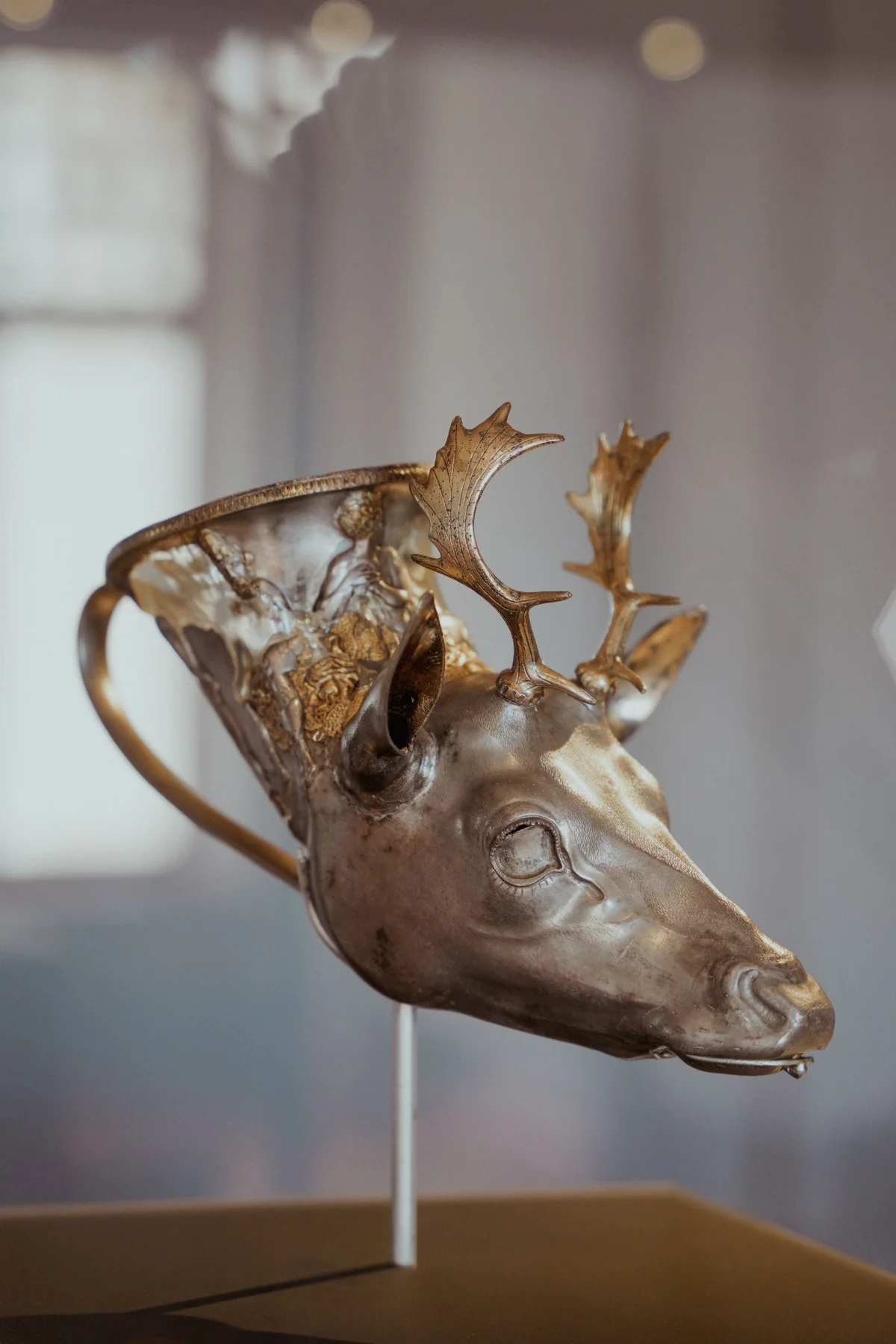
The Lycurgus Cup, a remarkable relic from the 4th century Roman era, continues to fascinate both scientists and historians with its extraordinary ability to change colors.
A material science researcher
Chapter 02
Modern Replication
Today's scientists are harnessing ancient techniques to innovate in material science.
Adapting Ancient Methods for Today’s Needs
Modern attempts to recreate the effects seen in the Lycurgus Cup rely on cutting-edge material science. By embedding nanoscale particles in polymers and glass, scientists craft materials capable of similar color transformations. Selecting the appropriate types and sizes of particles is crucial in achieving desired visual effects.
Narrative flow
Scroll through the argument
01
Particle Embedding
Researchers embed nanoscale particles in a medium, such as glass or polymer, to start the color-changing process.
02
Light Interaction
The particles scatter light in specific ways, altering the perceived color based on the light source.
03
Application and Innovation
These materials are then used in various industries, from decorative arts to advanced optics.
Exploring Potential Uses
The possibilities brought about by replicating these ancient methods are vast. For instance, architecture can benefit from materials that change colors, creating lively building facades. In consumer electronics, screens that adjust to ambient light can drastically enhance user interactions. Blending ancient techniques with modern technology opens fresh doors for innovation across numerous fields.
Modern Applications


Chapter 03
Future Horizons
Exploring the potential of color-changing materials beyond current applications.
Broadening the Possibilities
Advancements in technology continually expand the potential applications of color-changing materials. In the realm of medical diagnostics, these substances could act as indicators of patient condition changes. In the world of fashion, fabrics that alter hues with light present designers with innovative creative opportunities.
Addressing Challenges
Though promising, various challenges must be addressed for widespread use, including manufacturing consistency, cost, and environmental effects. Despite these hurdles, pursuing these materials could transform industries and inspire further innovations.
The Lycurgus Cup is not merely an ancient artifact; it’s an inspiration for modern material science. By delving into its color-changing secrets, we uncover new possibilities for future innovations, merging the artistry of the past with the technology of tomorrow.