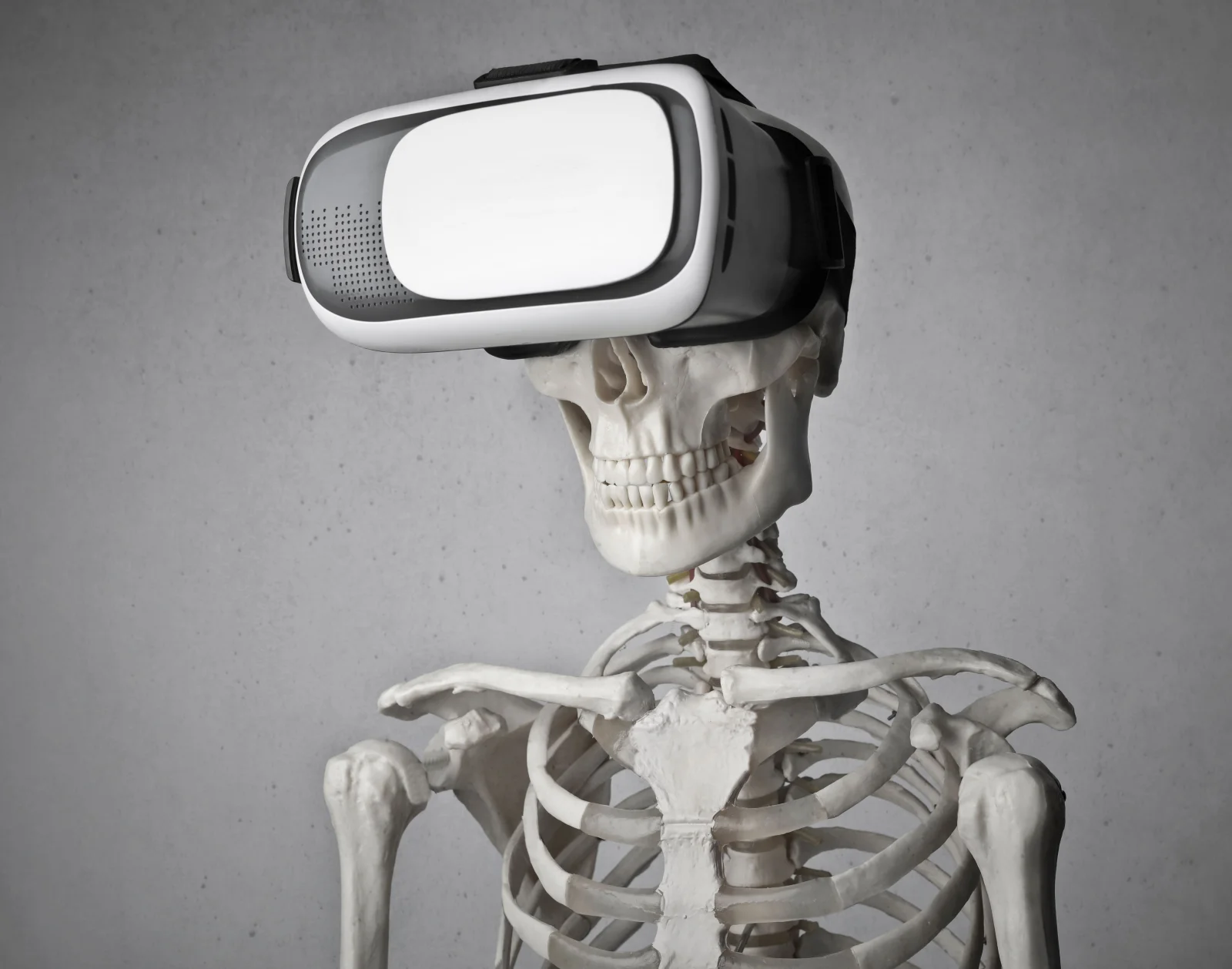
Google Cardboard might seem like a relic of the past—a simple VR tool that once turned smartphones into makeshift virtual reality headsets. But today, it’s finding new life. With technological advancements and a renewed focus on accessibility, Google Cardboard is poised to bring VR experiences to more people than ever before.
Chapter 01
The Cardboard Revolution
Revisiting Google Cardboard and its potential to democratize VR.
The Simplicity of Innovation
Google Cardboard’s design is deceptively simple. Initially released as an experimental project, it was meant to highlight the possibilities of VR using everyday materials. The genius lies in its accessibility—any smartphone user could transform their device into a virtual reality viewer with minimal investment.
A Modern Twist
Today’s smartphones are equipped with advanced screens and sensors, resulting in a significantly improved VR experience when paired with Google Cardboard. The visual fidelity and responsiveness now rival some dedicated VR headsets, making it an attractive option for those looking to explore VR without breaking the bank.

Google Cardboard might seem like a relic of the past—a simple VR tool that once turned smartphones into makeshift virtual reality headsets.
A VR Developer
Chapter 02
Innovative Applications
Exploring the new frontiers Cardboard is enabling in various industries.
Expanding Horizons
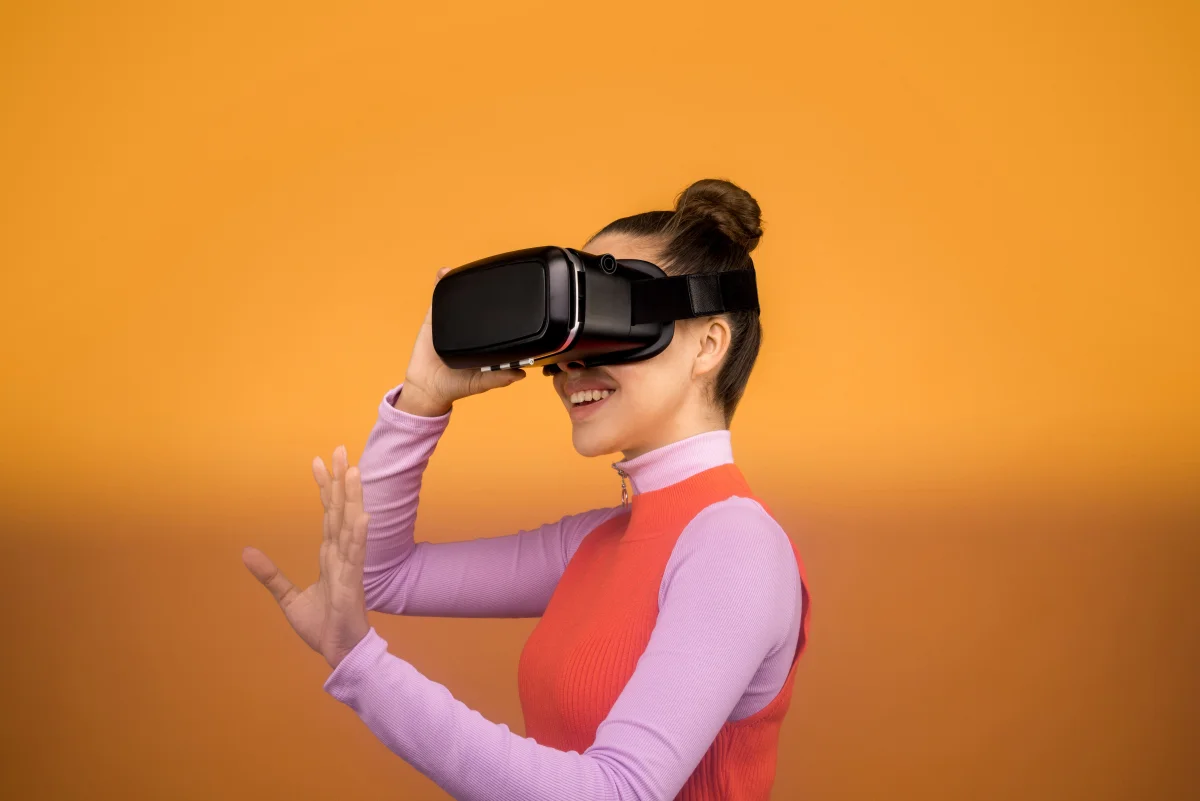
Beyond gaming, developers are now leveraging Google Cardboard in innovative ways. From educational tools that offer immersive learning environments to virtual tours that bring the world’s wonders closer, Cardboard has expanded its horizons.
Narrative flow
Scroll through the argument
01
Education
Cardboard is being used to create interactive learning experiences, making abstract concepts tangible and engaging.
02
Virtual Tours
Museums and travel agencies are using Cardboard to offer virtual tours, providing a taste of distant locations from home.
03
Training Simulations
Industries are adopting Cardboard for cost-effective training simulations, bringing practical skills into a virtual space.
Cardboard in Action
The Future of Cardboard
As developers continue to push the boundaries of what Google Cardboard can achieve, its role in VR is being redefined. The ongoing improvements in mobile technology only enhance its potential, ensuring that Cardboard remains a relevant and powerful tool in the VR landscape.
While Google Cardboard may not replace high-end VR systems, its ability to make virtual reality accessible cannot be overstated. It serves as a reminder that innovation often lies in simplicity.
In conclusion, Google Cardboard exemplifies how innovation thrives through accessibility. As we continue to see advances in technology, its role as a gateway to VR experiences promises to inspire a new generation of creators and users alike.