
The recent Telegram ban in India has sent shockwaves through the country’s digital landscape, prompting an unprecedented surge in VPN adoption. This move, framed as a measure for national security, has ignited a nationwide debate about privacy, censorship, and digital rights. The implications are vast, affecting millions of users who rely on Telegram for secure communication. As citizens grapple with this new reality, VPNs have emerged as a critical tool for maintaining access to unrestricted information and communication channels.
Chapter 01
The Ban's Immediate Impact
Unpacking the immediate effects of the Telegram ban and the rise of VPN usage in India.
The Ban and Its Repercussions
The ban on Telegram, announced abruptly, was a significant move by the Indian government aimed at curbing data leaks and misinformation. This action, however, has had far-reaching consequences. Internet freedom advocates argue that such bans erode digital rights and set a concerning precedent for censorship. The immediate aftermath saw a massive influx of users turning to VPNs to bypass restrictions, underscoring the critical role these tools play in preserving access to a free internet.
- Increased VPN downloads: With restrictions in place, VPN services reported an exponential rise in downloads.
- User adaptation: Many users quickly adapted by learning to use VPNs for the first time.
- Security concerns: Experts warn that while VPNs offer access, they can also pose security risks if not chosen wisely.
- Economic implications: The ban has sparked concerns over potential economic impacts on businesses reliant on Telegram.
- Global reactions: International observers have criticized the ban as a potential breach of free speech.
- Government stance: Officials maintain the ban is necessary for national security, though transparency remains questioned.
Navigating the New Digital Landscape
For many in India, the ban has highlighted the fragile nature of digital rights. The immediate reaction has been one of adaptation, but it also raises questions about the long-term implications for internet governance. The surge in VPN usage reveals a populace eager to maintain digital autonomy, even as authorities tighten controls. This situation highlights the tension between security measures and the preservation of individual freedoms.
Historical Context
India’s approach to internet regulation has been evolving, with previous instances of social media bans and internet shutdowns. These actions, often justified as security measures, have historically sparked debate over the balance between state control and personal freedom. The Telegram ban fits within this broader context, highlighting ongoing challenges in defining the boundaries of digital regulation.

The recent Telegram ban in India has sent shockwaves through the country's digital landscape, prompting an unprecedented surge in VPN adoption.
Chapter 02
VPNs: The Privacy Saviors?
Exploring how VPNs have become the go-to solution for maintaining privacy and access in the wake of the ban.
Narrative flow
Scroll through the argument
01
Step 1: Understanding VPNs
VPNs, or Virtual Private Networks, encrypt your internet connection, allowing you to surf the web anonymously and access geo-restricted content.
02
Step 2: Choosing the Right VPN
With numerous options available, selecting a VPN that offers strong encryption, a no-logs policy, and reliable performance is crucial for maintaining security.
03
Step 3: Implementing VPNs Wisely
While VPNs provide access, users must be cautious with their data and ensure that their chosen service is reputable and secure.
The Role of VPNs in Digital Privacy
As individuals increasingly turn to VPNs, understanding their role in digital privacy becomes essential. VPNs offer a way to circumvent restrictions, but they also come with their own set of challenges. Users must navigate a landscape of choices, each promising different levels of security and privacy. Educating users about these tools is vital for ensuring informed decisions that protect personal data.
A Cautionary Tale
While VPNs offer a temporary solution, they are not a panacea for digital freedom. Relying on these tools without understanding the risks can lead to vulnerabilities. Users must remain vigilant, recognizing that while VPNs restore access, they do not replace the need for broader discussions on digital rights and internet governance.
The Path Forward
The surge in VPN usage following the Telegram ban has sparked a broader conversation about privacy and access. It underscores the need for a more nuanced approach to internet regulation, one that respects individual freedoms while addressing security concerns. As the digital landscape continues to evolve, the role of VPNs will remain crucial, but they are only part of a larger solution.
The Global Impact
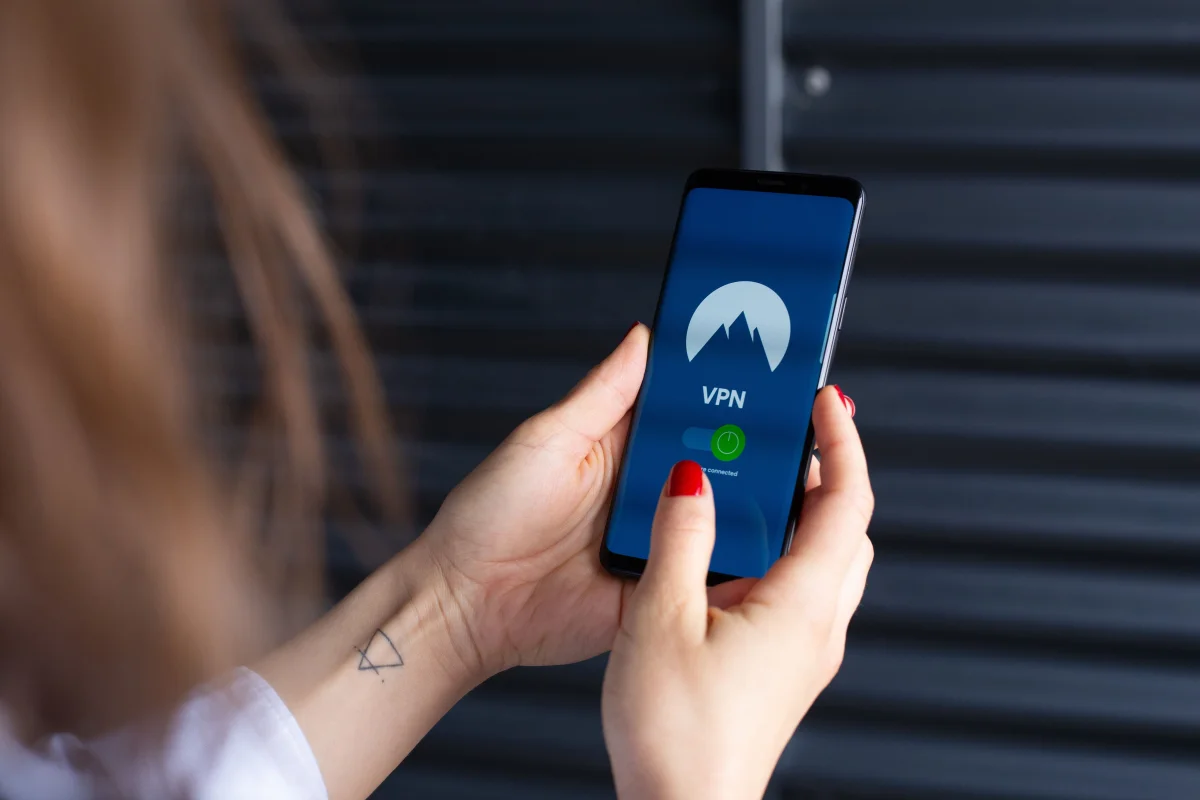


The Telegram ban in India has ignited a critical discourse about the future of internet freedom. As more users turn to VPNs, it becomes evident that access to unrestricted information is a fundamental digital right. While VPNs offer a temporary reprieve, they highlight the urgent need for lasting solutions that preserve privacy and uphold the principles of a free internet. The journey towards digital autonomy is complex, demanding both vigilance and advocacy.
In the wake of the Telegram ban, India finds itself at a crossroads. The decision to restrict access has fueled a movement towards digital privacy tools like VPNs, revealing the deep-seated desire for freedom in the digital age. As the country navigates this tumultuous landscape, the lessons learned will shape the future of internet governance, not just in India, but globally. Ultimately, the quest for a balance between security and freedom continues, with the hope that access to information and privacy will remain a priority in the digital era. Freedom in the digital realm is non-negotiable.