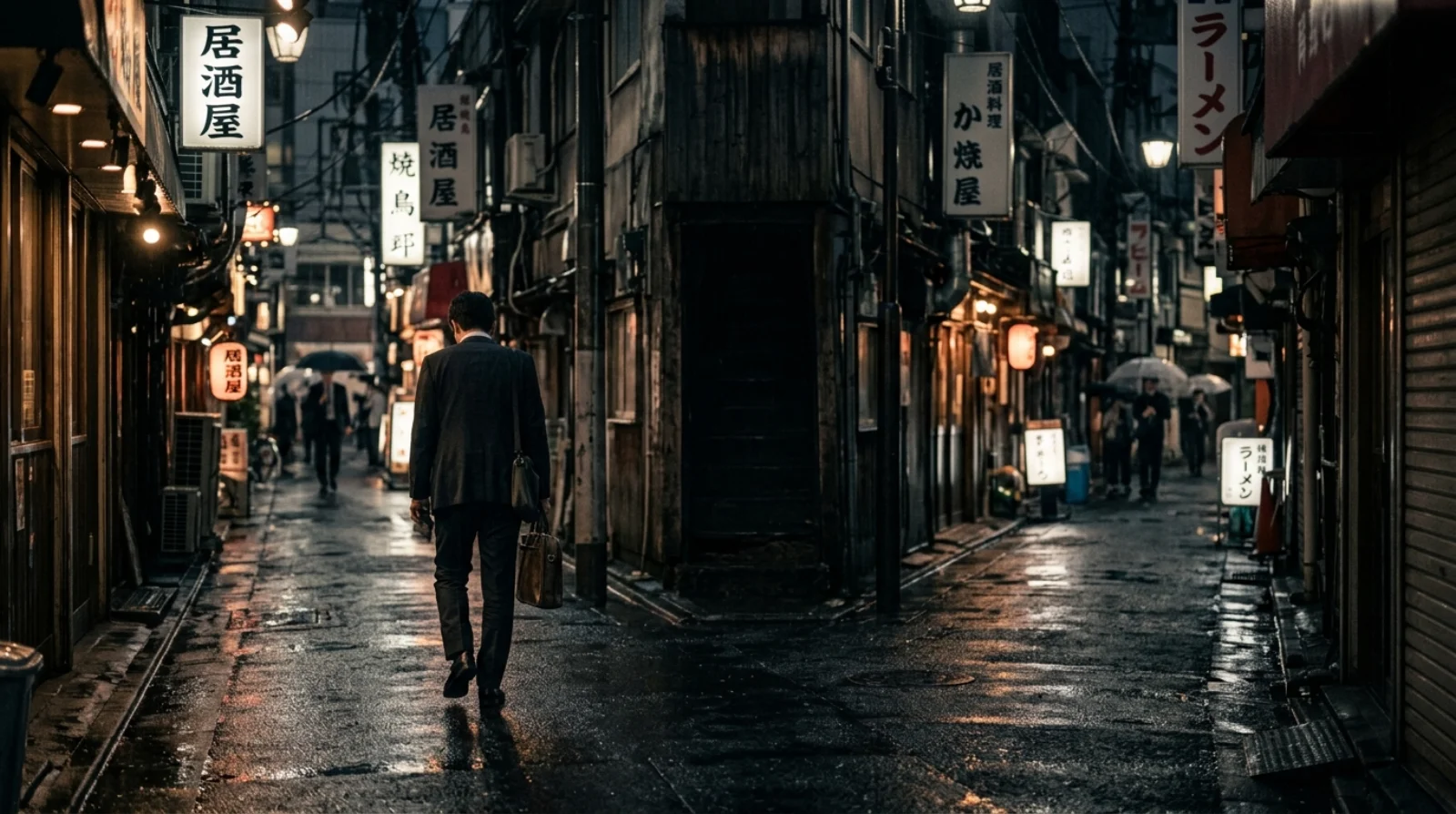
Whistleblowing in Japan faces hurdles that go beyond just legal obstacles. Cultural values that favor harmony over individual action foster an environment where those who speak out are sometimes viewed as turncoats rather than champions. This collective outlook, combined with weak legal protections, creates a climate of fear that deters many from coming forward.
Chapter 01
Cultural Barriers
Exploring the cultural dynamics that make whistleblowing in Japan particularly challenging.
Transparency Versus Harmony
Japan holds wa, or harmony, in high regard across both personal and professional spheres. This cultural tenet often puts whistleblowers in conflict with prevailing societal norms. Unlike Western counterparts who might be praised for bravery, whistleblowers in Japan frequently encounter isolation and disgrace.
- Social Isolation: Colleagues often shun whistleblowers, fearing the consequences of association.
- Professional Consequences: They may be pushed aside or let go from their positions.
Fear of Ostracism
Many professionals in Japan opt for silence even when aware of unethical conduct. The concern of being ostracized often outweighs the urge to address wrongdoing. This reluctance impacts not only their jobs but also their social and community ties.

The decision to blow the whistle is often seen as a betrayal of trust, not an act of bravery.
A legal analyst
Chapter 02
Legal Landscape
Analyzing the legal framework and its impact on whistleblower protection in Japan.
Fragile Legal Safeguards
Though Japan has legal protections for whistleblowers, they often fall short of what’s needed. The Whistleblower Protection Act faces criticism for its narrow coverage and weak enforcement. Potential whistleblowers find themselves weighing significant personal and career risks against these insufficient measures.
Narrative flow
Scroll through the argument
01
Limited Scope
The law addresses only specific types of disclosures, leaving many at risk.
02
Weak Enforcement
Successful prosecutions are rare, doing little to prevent backlash.
03
Anonymity Issues
Without assured anonymity, individuals risk exposure and retaliation.
Urgency for Change
There is increasing pressure from legal experts and international observers to enhance Japan’s whistleblowing laws. Strengthening these measures could empower more people to speak out without the shadow of dire repercussions.
Cultural and Legal Dynamics
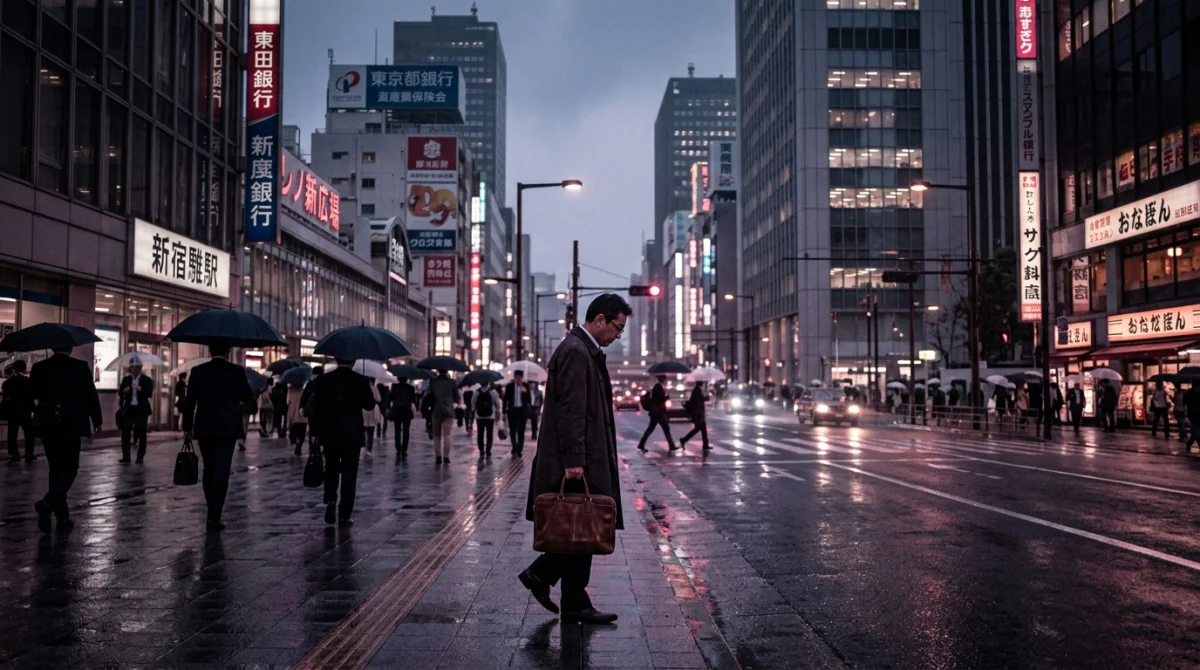
The chilling effect of whistleblowing in Japan results from a blend of cultural and legal challenges. While societal norms deter individuals from reporting misconduct, insufficient legal frameworks further intensify this issue. Real progress demands comprehensive legal reforms alongside a cultural pivot towards valuing transparency.
Japan’s move toward an open and accountable society faces significant hurdles. Addressing both cultural traditions and legal obstacles holds the promise of a future where whistleblowers serve as vital defenders of integrity rather than outcasts.