The days of the code review bug hunt are fading. What was once a meticulous search for errors has transformed into a hub of collaboration and innovation. This evolution marks a significant shift in how teams perceive and engage in code reviews, focusing more on quality assurance, knowledge sharing, and team cohesion. The question arises: Is the bug hunt dead, or has it simply evolved?
Chapter 01
The Shift in Focus
As tools evolve, the purpose of code reviews is shifting from mere bug detection to fostering team collaboration and knowledge transfer.
The Evolution of Code Reviews
Code reviews have historically been the frontline defense against bugs. However, with the advent of advanced debugging tools and AI-driven solutions, the focus of code reviews has shifted substantially. These tools catch errors earlier in the development cycle, allowing code reviews to pivot towards a more holistic approach.
- Enhanced collaboration: Reviews now serve as a platform for team members to share insights and improve collectively.
- Knowledge sharing: They provide an opportunity for junior developers to learn from seasoned professionals.
- Quality assurance: Code reviews still maintain a critical role in upholding software quality standards.
- Design discussions: Teams discuss and refine architecture and design choices.
- Consistency enforcement: They ensure adherence to coding standards and practices.
- Innovation catalyst: Reviews can spark new ideas and approaches to problem-solving.
Beyond Bug Detection
The evolution of code reviews is not just about finding faults but exploring new possibilities. Teams now engage in reviews with the mindset of enhancing code quality and design. This shift is driven by the realization that while bugs can be caught by tools, human insights bring unique value.
The Role of AI in Code Reviews
AI and machine learning have significantly impacted how code reviews are conducted. These technologies automate repetitive tasks, allowing developers to focus on more strategic aspects of the review process. AI tools can predict potential issues, suggest improvements, and even facilitate better team collaboration by highlighting common errors and patterns.
However, with the advent of advanced debugging tools and AI-driven solutions, the focus of code reviews has shifted substantially.
Chapter 02
Modern Practices
In today's fast-paced development environment, the practices around code reviews have adapted to meet new challenges and opportunities.
Narrative flow
Scroll through the argument
01
Step 1: Embrace Collaboration
Modern code reviews emphasize teamwork and open communication. Developers are encouraged to engage in constructive feedback and discussions, leading to a more inclusive and productive review process.
02
Step 2: Utilize AI Tools
By integrating AI tools, teams can automate mundane tasks and focus on strategic improvements. AI aids in early bug detection, allowing human reviewers to concentrate on broader aspects like code quality and architecture.
03
Step 3: Continuous Improvement
The goal of code reviews should be continuous improvement. By regularly updating practices and leveraging new technologies, teams can ensure that their code remains robust and high-quality.
Embracing New Tools
The integration of AI tools in code reviews has revolutionized the process. These tools provide insights that were previously inaccessible, allowing teams to make informed decisions about code design and implementation.
The Human Touch
Despite technological advancements, the human aspect of code reviews remains irreplaceable. Developers bring a unique perspective that tools cannot replicate, making their insights invaluable for maintaining code quality and fostering innovation.
Common Misconceptions
One common misconception about modern code reviews is that they are less important due to automation. However, the reality is that automation enhances reviews by freeing up time for critical thinking and creative problem-solving.
Modern Code Review Tools
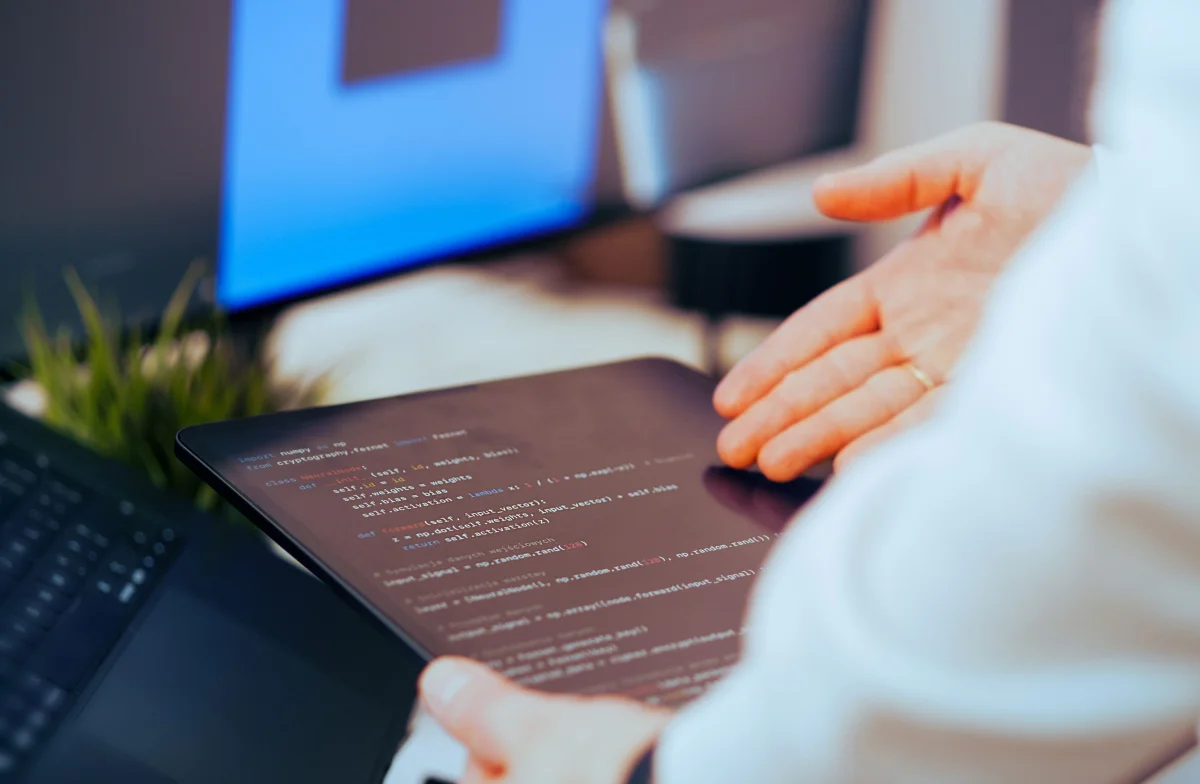

As the landscape of software development evolves, so too must our approaches to code reviews. Embracing modern tools and practices ensures that reviews remain a vital part of the development process, enhancing both code quality and team dynamics. The code review bug hunt may be dead, but its legacy lives on in more meaningful ways.
Chapter 03
The Future of Code Reviews
Looking ahead, the role of code reviews will continue to evolve, adapting to new technologies and development practices.
Embracing the Future
As we look to the future, code reviews will increasingly focus on fostering a culture of learning and innovation. By integrating new technologies and practices, the review process can remain relevant and effective in ensuring software quality.
- Focus on learning: Encourage junior developers to participate and learn from feedback.
- Adapt to new tools: Stay updated with the latest AI and machine learning tools.
- Promote innovation: Use reviews as a platform to discuss and implement innovative ideas.
- Maintain quality: Continue to uphold coding standards and practices.
- Encourage diversity: Leverage diverse perspectives to enhance the review process.
- Drive team cohesion: Use reviews to strengthen team relationships and communication.
Real-World Examples
Many organizations have successfully integrated modern code review practices, resulting in improved software quality and team dynamics. By learning from these examples, other teams can adapt and enhance their own review processes.
Best Practices Moving Forward
To maximize the benefits of code reviews, teams should focus on continuous improvement, leveraging new tools, and maintaining a collaborative approach. By doing so, they can ensure that their code remains robust and their teams remain cohesive.
Chapter 04
Conclusion
As we conclude, it's clear that the role of code reviews is evolving, but their importance remains.
The Lasting Impact
The shift in code review practices reflects a broader trend in software development: a move towards collaboration, innovation, and quality. As teams continue to adapt to new tools and practices, code reviews will remain a cornerstone of effective software development.
Practical Implementation
For teams looking to modernize their code review practices, the key is to integrate new tools and encourage open communication. By doing so, they can enhance both the quality of their code and the strength of their team dynamics.
The Trade-offs
While automation and AI tools enhance the review process, they also require careful integration to ensure that the human aspect of reviews is not lost. Striking the right balance is crucial for maintaining effective reviews.
The code review bug hunt may be dead, but the process itself is more alive than ever. By embracing new technologies and fostering a culture of collaboration, teams can ensure that their code reviews remain a vital part of the development process, driving innovation and maintaining quality. The future of code reviews promises to be as dynamic and impactful as the code they help refine.