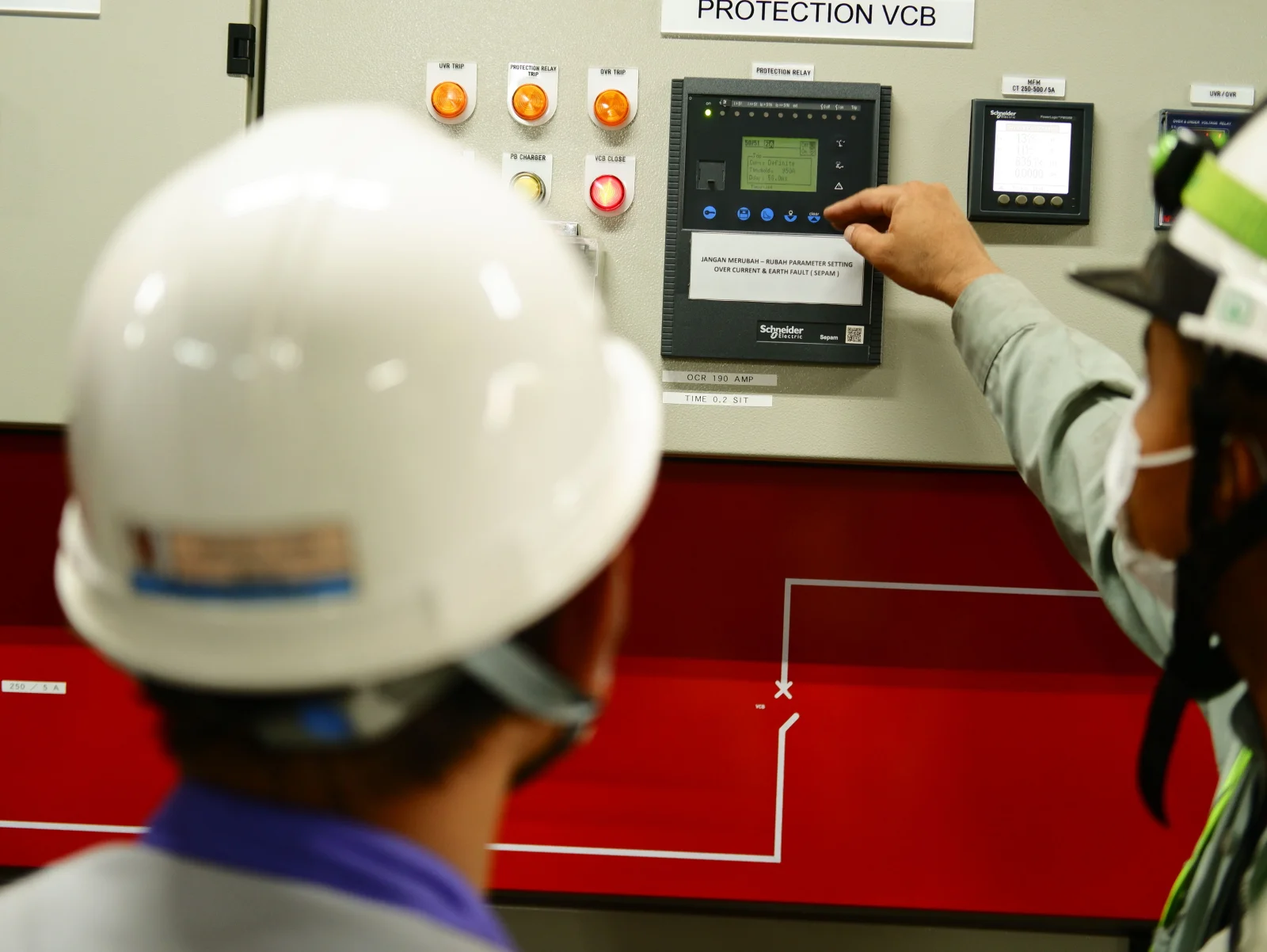
Open models are transforming the landscape of AI development. As the industry shifts its focus from closed, proprietary systems to more transparent, community-driven models, the power dynamics are evolving. This transition not only distributes control but also promotes innovation, encourages collaboration, and introduces new challenges.
Chapter 01
The Rise of Open Models
How open models are democratizing AI and reshaping industry standards.
Opening the Doors of AI
The arrival of open models marks a key move toward making AI accessible to all. By granting developers and researchers from varied backgrounds entry to advanced technologies, they dismantle the barriers that once restricted AI development to a few major tech entities.
A Power Shift
These models are shifting influence away from centralized AI giants and spreading it across a wider community. Developers, free from the confines of proprietary systems, can now enhance and expand on existing models. This change creates a more inclusive environment that encourages innovation to flourish.

Open models are transforming the landscape of AI development.
A senior AI researcher
Challenges Associated with Open Models
Despite their promise, open models face significant challenges. Maintaining the quality and security of these models demands strict oversight. Although open access enhances transparency, it also heightens the risks of misuse and the spread of biases.
Chapter 02
Navigating New Challenges
Exploring the new challenges posed by open AI models and potential solutions.
Maintaining Quality and Security
With AI’s democratization comes the duty to ensure quality and security. Although open models are accessible, there’s a need for a framework to keep them dependable and secure. This involves community-led reviews and ongoing improvements to mitigate risks.
Narrative flow
Scroll through the argument
01
Step 1: Community Engagement
Encouraging active participation from developers to improve model quality.
02
Step 2: Implementing Standards
Establishing strict guidelines for model development and usage.
03
Step 3: Continuous Monitoring
Ongoing assessment and updates to maintain security and reliability.
Weighing Transparency Against Security
While transparency fosters both innovation and trust, it also creates opportunities for potential misuse. Finding the right balance between openness and security is vital. This journey demands the combined efforts of the AI community to establish best practices and uphold shared ethical standards.
Visualizing Open Models


As open models continue to gain traction, their influence on AI development becomes more pronounced. They democratize access, encourage innovation, and challenge established power structures. Still, they also introduce new hurdles that call for collective vigilance and responsibility. The future of AI hinges on how adeptly we manage this shift in power.