The exoskeleton age is dawning, promising to transform human abilities in remarkable ways. Far from being merely the stuff of science fiction, these wearable devices are real-world innovations reshaping industries and human experiences alike. As the line between man and machine begins to blur, exoskeletons are poised at the forefront, enhancing both mobility and strength.
Chapter 01
The Rise in Healthcare
Exoskeletons are revolutionizing the healthcare sector by providing new avenues for rehabilitation and mobility for patients.
Revolutionizing Rehabilitation
Exoskeletons are revolutionizing rehabilitation therapy by delivering structured support to aid patients in regaining both mobility and strength post-injury. In contrast to traditional therapy methods, these devices accommodate natural movement patterns, boosting recovery outcomes effectively.
Unleashing Mobility
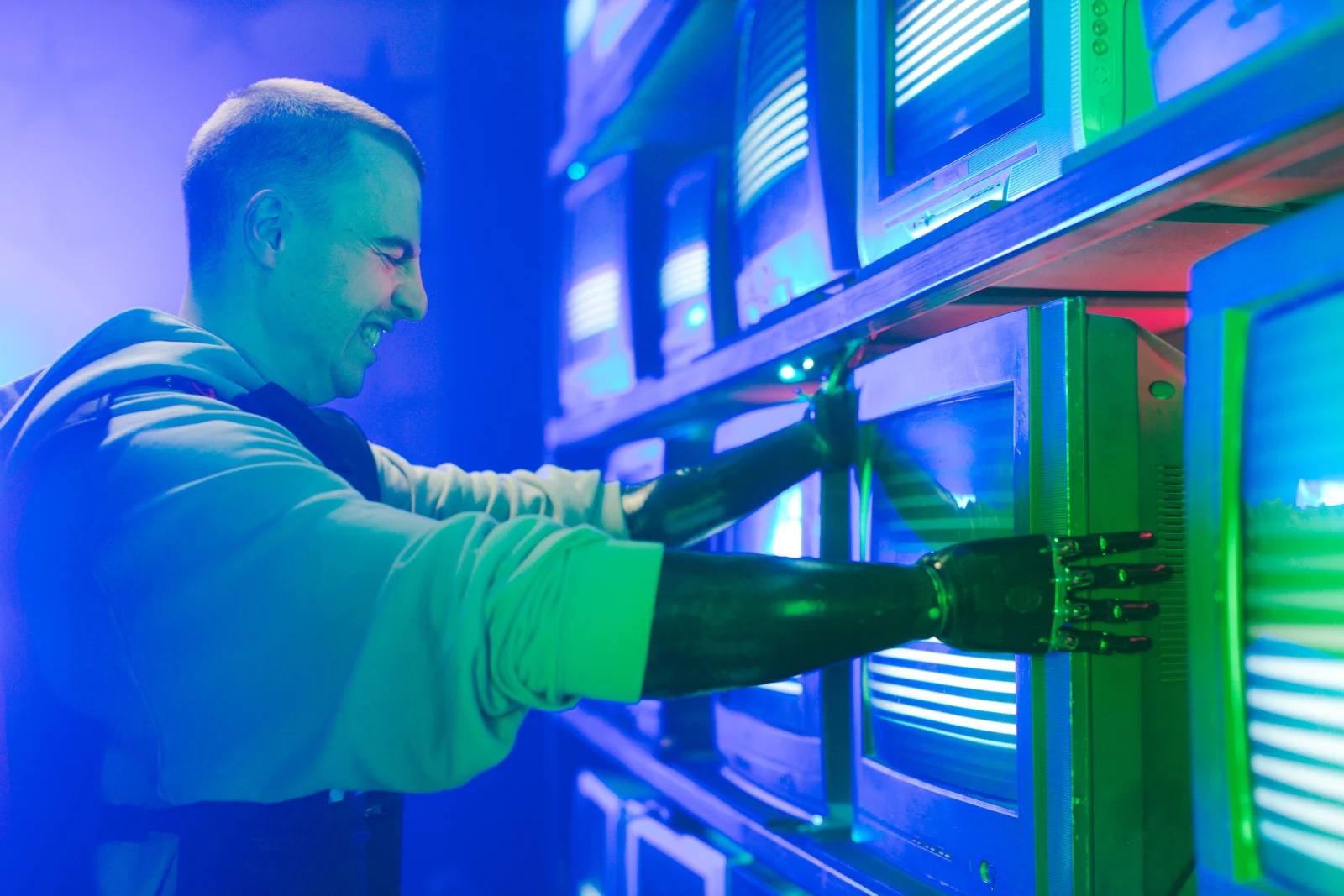
Exoskeletons grant a newfound sense of independence to those with disabilities. They simplify everyday tasks, reducing dependence on assistance. This newfound autonomy offers psychological benefits, restoring personal dignity and self-reliance.
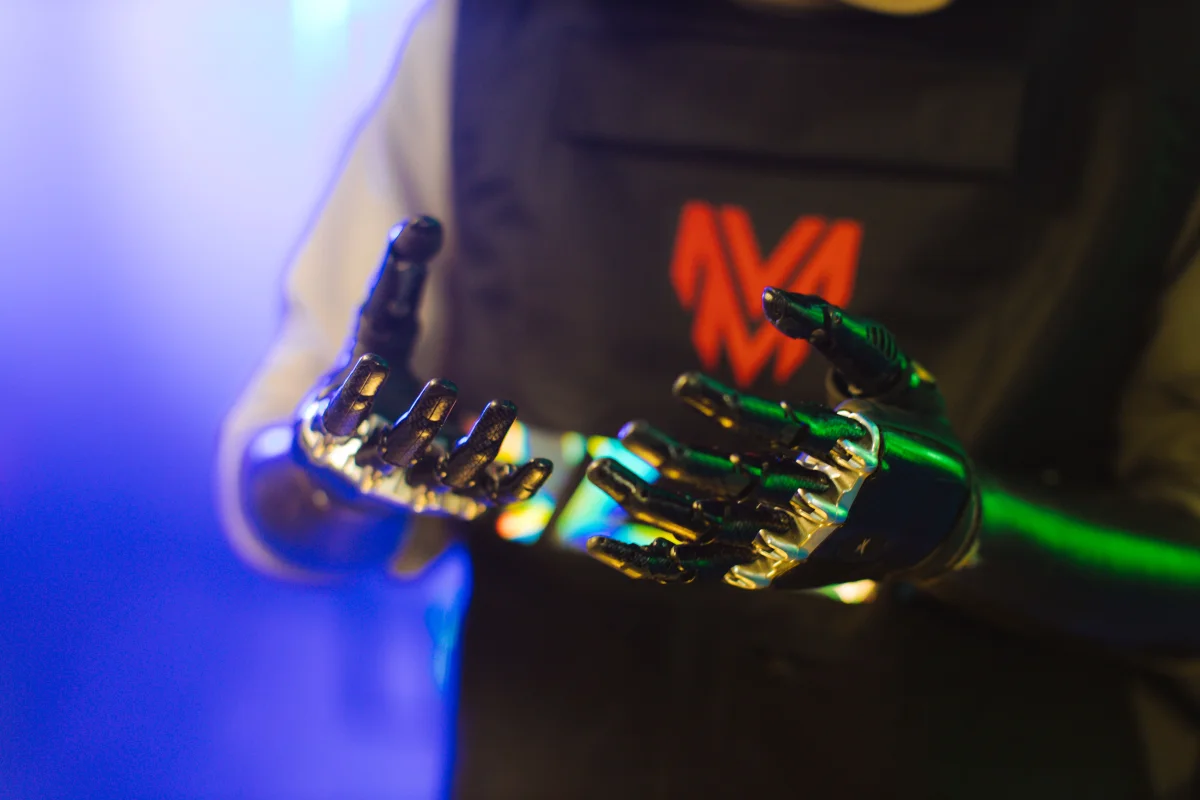
Exoskeletons are revolutionizing rehabilitation therapy by delivering structured support to aid patients in regaining both mobility and strength post-injury.
A healthcare robotics specialist
Chapter 02
Industrial Applications
Industries are leveraging exoskeletons to enhance worker productivity and safety, transforming how tasks are performed.
Boosting Productivity and Safety
In industrial settings such as manufacturing and logistics, exoskeletons are enhancing productivity while minimizing physical strain on workers. By supporting heavy lifting and repetitive tasks, these devices help reduce fatigue and the risk of injury, leading to safer work environments.
Integrating Artificial Intelligence
Integrating AI with exoskeleton technology marks a notable advancement. AI algorithms enable these devices to adapt to the user’s movements, offering tailored support. This adaptability ensures comfort and efficiency by addressing individual user needs.
Narrative flow
Scroll through the argument
01
Step 1: Sensory Input
Sensors capture user movements and environmental data, feeding this information to the AI system.
02
Step 2: Adaptive Response
AI processes the data, adjusting the exoskeleton's support to match the user's activity.
03
Step 3: Continuous Learning
The system learns from user interactions, improving its adaptive capabilities over time.
Exoskeletons in Action



Chapter 03
Future Prospects
As exoskeleton technology advances, its potential applications are expanding, promising even broader impacts.
Exploring New Frontiers
The potential for exoskeletons is wide-ranging, with future possibilities extending beyond current uses. Emerging research highlights opportunities in fields like space exploration and military operations, where enhanced human capabilities could significantly impact mission success.
Addressing Challenges and Ethical Issues
While promising, exoskeletons are not without challenges. Widespread adoption is hindered by cost, and ethical dilemmas around augmentation are subjects of ongoing debate. As this technology evolves, finding a balance between innovation, accessibility, and ethical considerations will be essential.
Standing at the edge of this revolutionary period, the influence of exoskeletons is clear. From healthcare to industrial uses, these devices are redefining possibilities, merging human limitations with mechanical capabilities. The revolution in exoskeleton technology is underway, with much more to come.