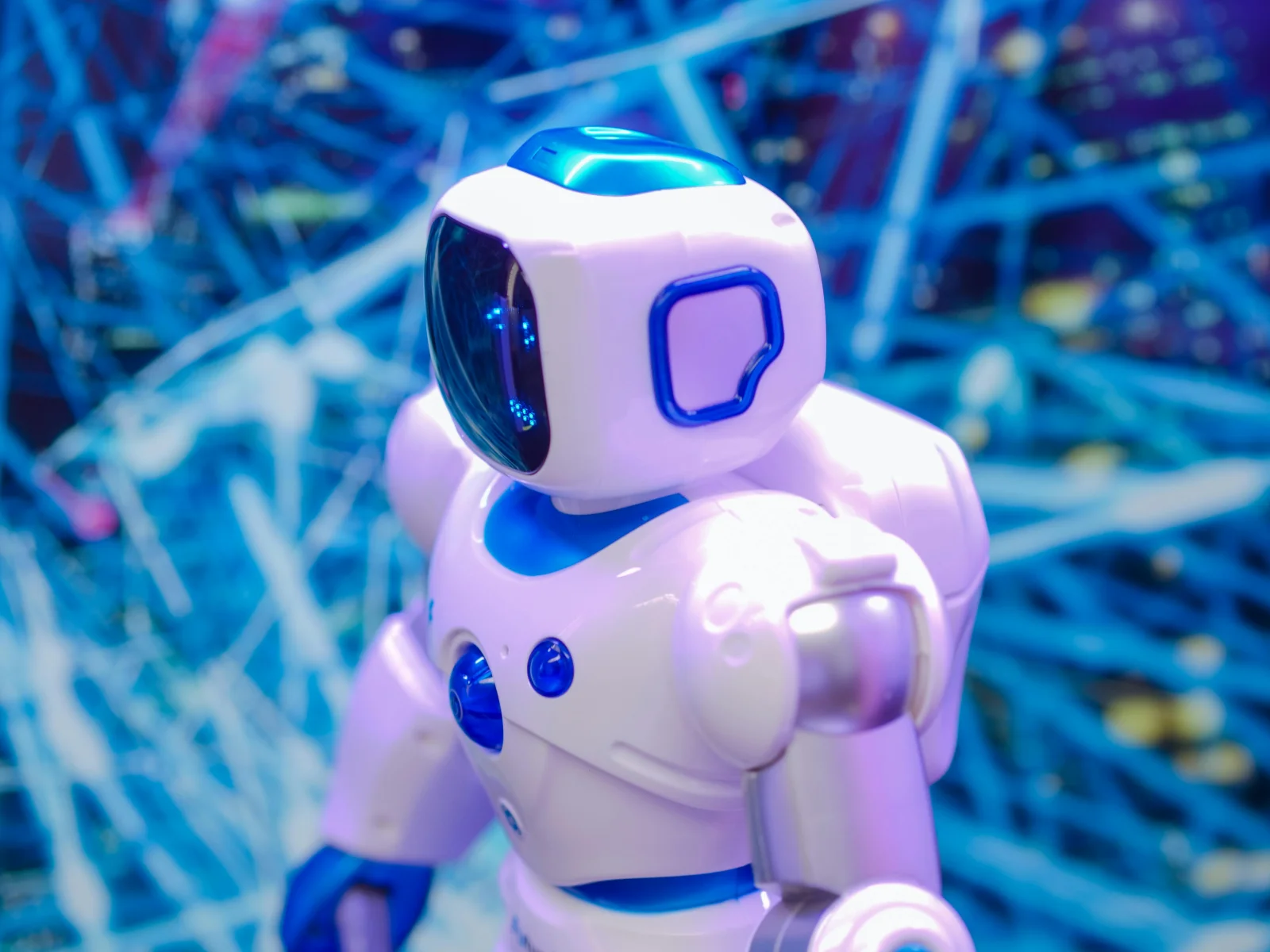
The dawn of autonomous agents heralds a future where machines not only learn from data but also make decisions independently. As these intelligent entities evolve, they promise to reshape industries, redefine jobs, and revolutionize daily life. But with great promise comes an equally significant set of challenges. From ethical concerns to technical bottlenecks, the path forward is as complex as it is exciting. This exploration delves into the dual nature of autonomous agents—highlighting both their vast potential and their intrinsic limitations.
Chapter 01
Understanding Autonomous Agents
Dive into the essential characteristics that define autonomous agents and explore their current capabilities and limitations.
The Anatomy of Autonomous Agents
Autonomous agents are software entities capable of independent decision-making. They operate in environments, perceive changes, and act towards goals without direct human intervention. These agents are increasingly employed in diverse fields such as healthcare, finance, and logistics.
- Perception: Ability to interpret data from the environment.
- Decision-making: Algorithms that enable choices based on data.
- Action: Execution of tasks or commands.
- Learning: Adaptation and improvement from experience.
The Potential of Autonomous Agents
At their core, autonomous agents promise efficiency and scalability. They can operate 24/7, handle vast amounts of data, and offer personalized experiences. In healthcare, they assist in diagnostics and patient monitoring, while in logistics, they optimize supply chains and delivery routes.
Historical Context
The concept of autonomous systems dates back to early AI research in the 1960s. Early models were rule-based, limited by computational power and data availability. With advancements in machine learning and neural networks, today’s agents are more sophisticated, though challenges like generalization and ethical use remain.

The dawn of autonomous agents heralds a future where machines not only learn from data but also make decisions independently.
Chapter 02
Challenges and Ethical Dilemmas
Examine the risks and moral considerations that accompany the rise of autonomous agents.
Narrative flow
Scroll through the argument
01
Technical Limitations
Current AI systems struggle with generalization, often failing in unforeseen scenarios. This limitation impacts reliability, particularly in critical applications like autonomous driving or medical diagnostics.
02
Ethical Considerations
The deployment of autonomous agents raises moral questions. Decisions made by AI can have life-altering consequences, necessitating frameworks for accountability and fairness.
03
Regulatory Challenges
Existing laws lag behind technological advancements. Crafting regulations that balance innovation with safety is crucial to prevent misuse or unintended harm.
Ethical Dilemmas
The integration of autonomous agents into society brings forth ethical concerns. Should an agent prioritize human safety over task efficiency? How do we ensure transparency in decision-making processes? These questions necessitate comprehensive ethical guidelines.
A Case for Regulation
The absence of robust regulations poses risks. Without oversight, autonomous agents could be used in ways that infringe on privacy or exacerbate inequality. Regulatory bodies must evolve to address the rapid pace of AI development, ensuring technology serves the common good.
Autonomous Agents in Action

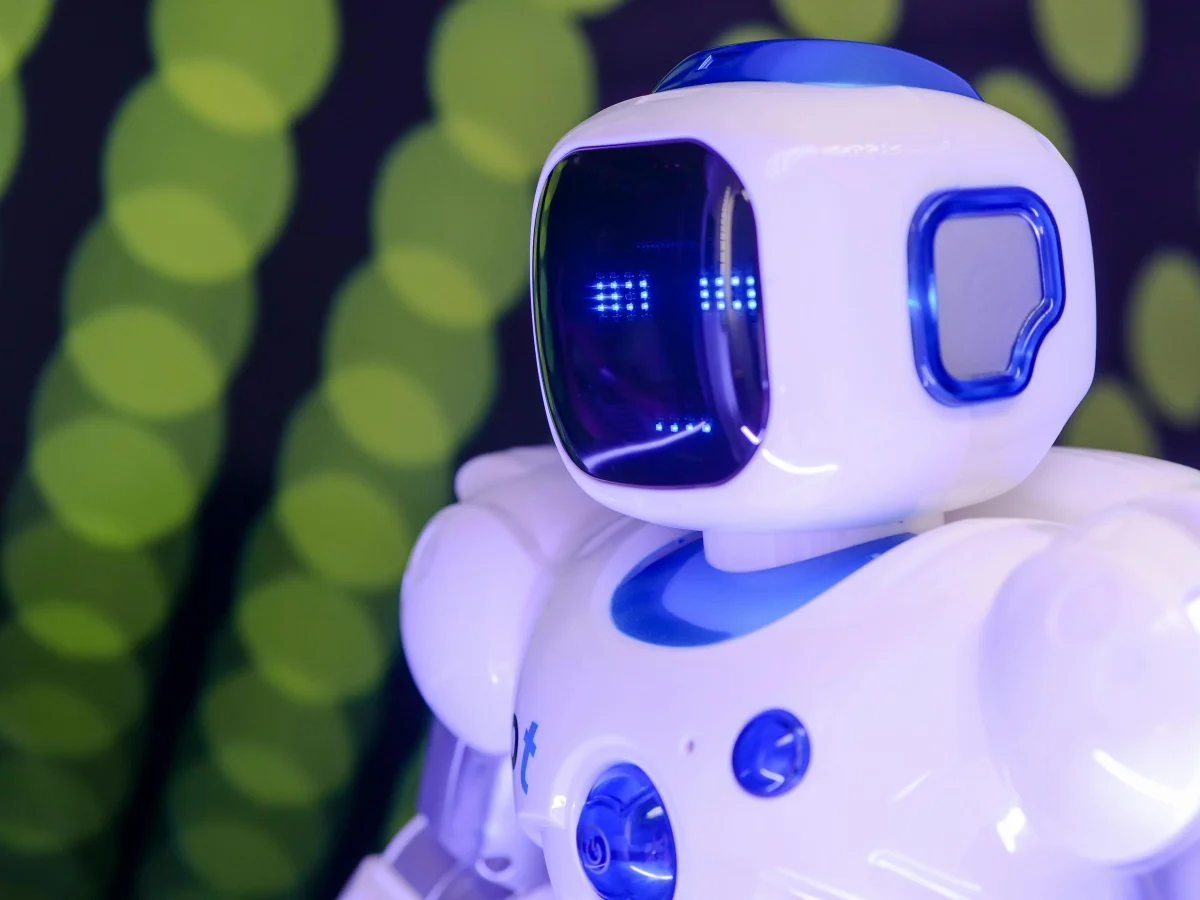
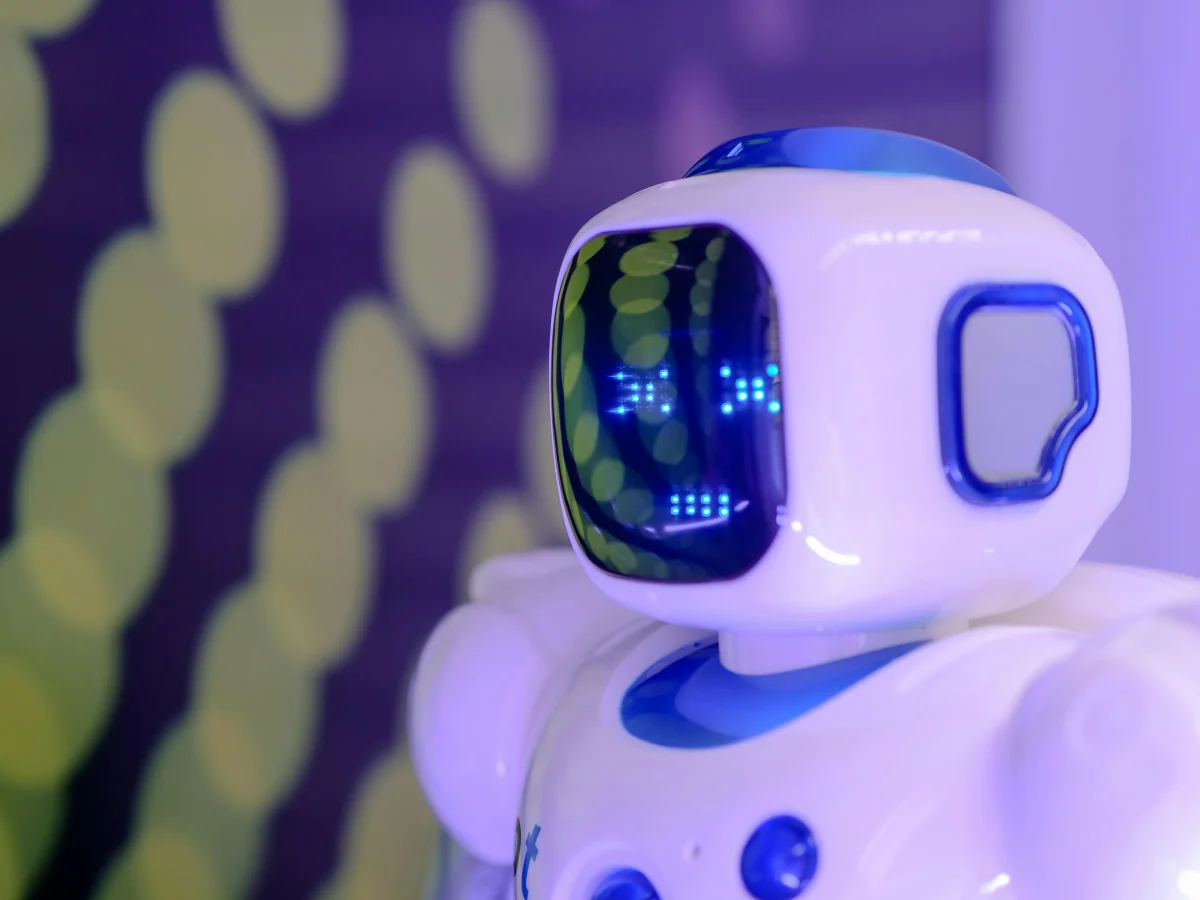
As we stand at the crossroad of innovation and regulation, the future of autonomous agents hangs in balance. The potential benefits are vast, but so are the responsibilities. Society must navigate these waters with caution, ensuring that these intelligent systems enhance human capabilities rather than undermine them. Only then can we truly harness the power of autonomous agents.
Chapter 03
The Road Ahead
Explore the future trajectory of autonomous agents and how they might redefine human interaction with technology.
Future Trajectory and Implications
The journey of autonomous agents is just beginning. As technology advances, these agents will become more integrated into daily life, transforming industries and creating new paradigms of work and interaction.
- Augmented Collaboration: Agents will not replace humans but collaborate, enhancing productivity.
- Continuous Learning: With better algorithms, agents will learn and adapt faster.
- Cross-Industry Impact: From agriculture to finance, the influence of autonomous agents will be ubiquitous.
Real-World Applications
Consider the application of autonomous agents in agriculture: drones equipped with AI can analyze crop health, optimize irrigation, and even predict yields, driving efficiency and sustainability.
Recommendations for Adoption
To fully realize the potential of autonomous agents, businesses must invest in robust AI infrastructure and foster a culture of continuous learning and adaptation. Emphasizing ethical AI practices ensures responsible deployment.
Chapter 04
Embracing the AI Future
Understanding the steps necessary to responsibly advance autonomous agent technology.
Long-Term Vision
Looking forward, the integration of autonomous agents will redefine norms across sectors. The challenge lies in aligning technological progress with societal values, ensuring that AI advancements serve humanity’s broader interests.
Practical Steps Forward
Organizations must prioritize transparency, accountability, and ethics in AI development. Establishing clear guidelines and frameworks will guide responsible innovation, fostering trust and acceptance.
Balancing Innovation with Ethics
While the potential is vast, so are the trade-offs. Balancing innovation with ethical considerations is paramount to prevent unintended consequences and ensure equitable benefits.
In conclusion, autonomous agents represent a new frontier in technology, with the capacity to revolutionize our world. Yet, the path is fraught with challenges that require careful navigation. By embracing innovation with a mindful approach, we can ensure these technologies enrich our lives rather than complicate them. The future of AI is bright, but it is the choices we make today that will define its impact.