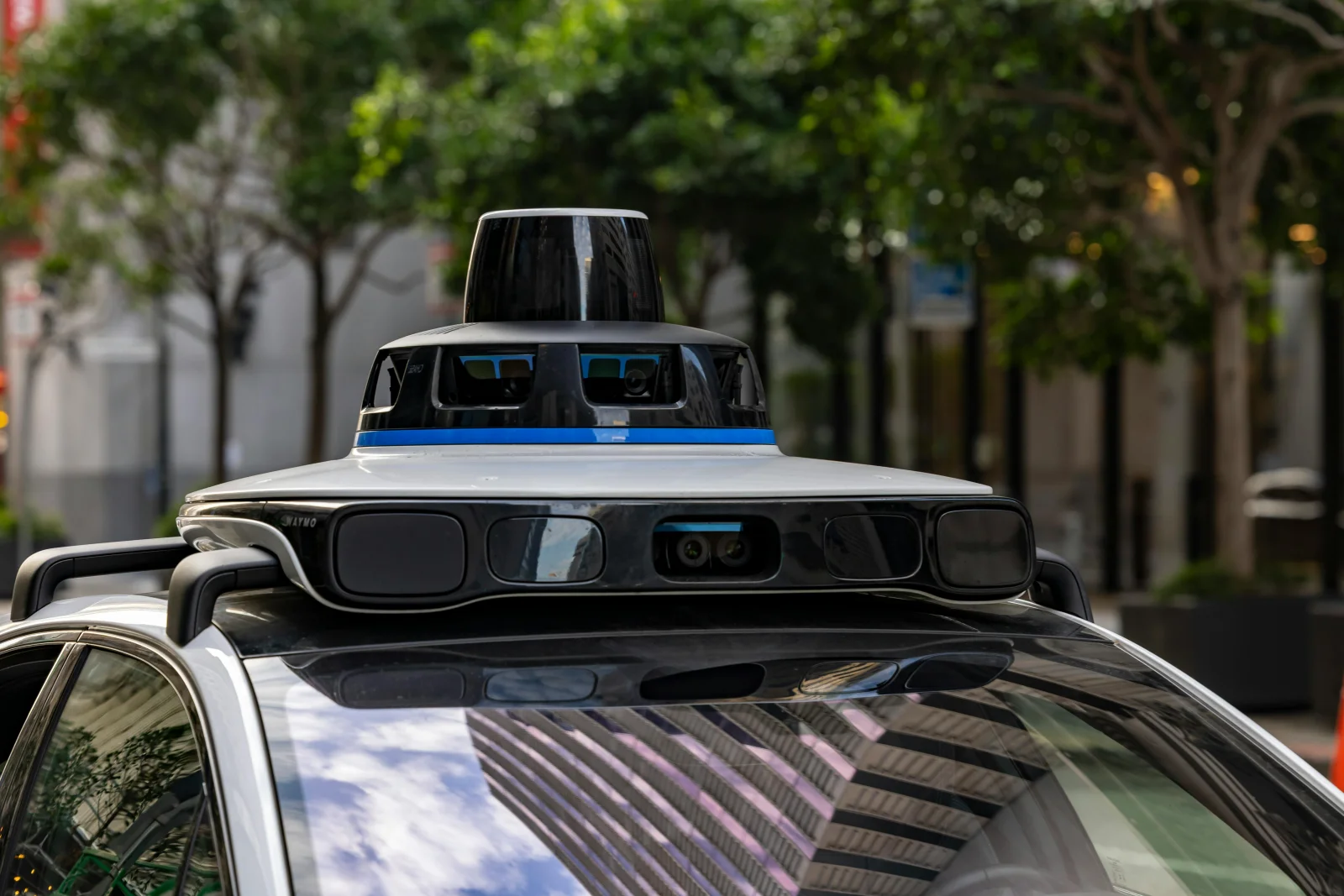
Robotaxis are poised to revolutionize urban mobility, promising a future where convenience meets sustainability. As cities grapple with congestion and pollution, autonomous vehicles offer a transformative solution that could redefine how we move. The stakes are high, but so is the potential for a cleaner, more efficient transportation system.
Chapter 01
A Paradigm Shift
Explore the fundamental changes that robotaxis bring to urban transit.
The Rise of Robotaxis
The emergence of robotaxis marks a significant shift in urban mobility. These driverless vehicles are not just a technological marvel but a response to growing urban challenges. Cities are witnessing a surge in population density, leading to increased traffic congestion and pollution levels. Robotaxis offer a compelling alternative by promising a seamless, efficient, and eco-friendly mode of transportation.
- Efficiency: Reduced travel times through optimized routing.
- Accessibility: Enhancing mobility for urban populations, including those who are unable to drive.
- Safety: Eliminating human error, which accounts for the majority of traffic accidents.
- Cost-effectiveness: Lowering transportation costs by reducing the need for personal vehicle ownership.
- Environmental Impact: Significantly cutting down carbon emissions.
- Infrastructure: Minimizing the need for parking, freeing up urban space for other uses.
The Technology Behind
Robotaxis are powered by cutting-edge AI systems that integrate sensors, machine learning algorithms, and real-time data processing. These vehicles navigate complex urban environments, adapting to dynamic conditions with precision. The technology ensures a smooth and safe travel experience, handling everything from traffic management to passenger interactions.
Historical Context
Autonomous vehicles have been in development for decades, but recent advancements in AI and sensor technology have accelerated their viability. The journey from concept to reality has been marked by significant milestones, from early prototypes to today’s sophisticated models capable of navigating bustling city streets.
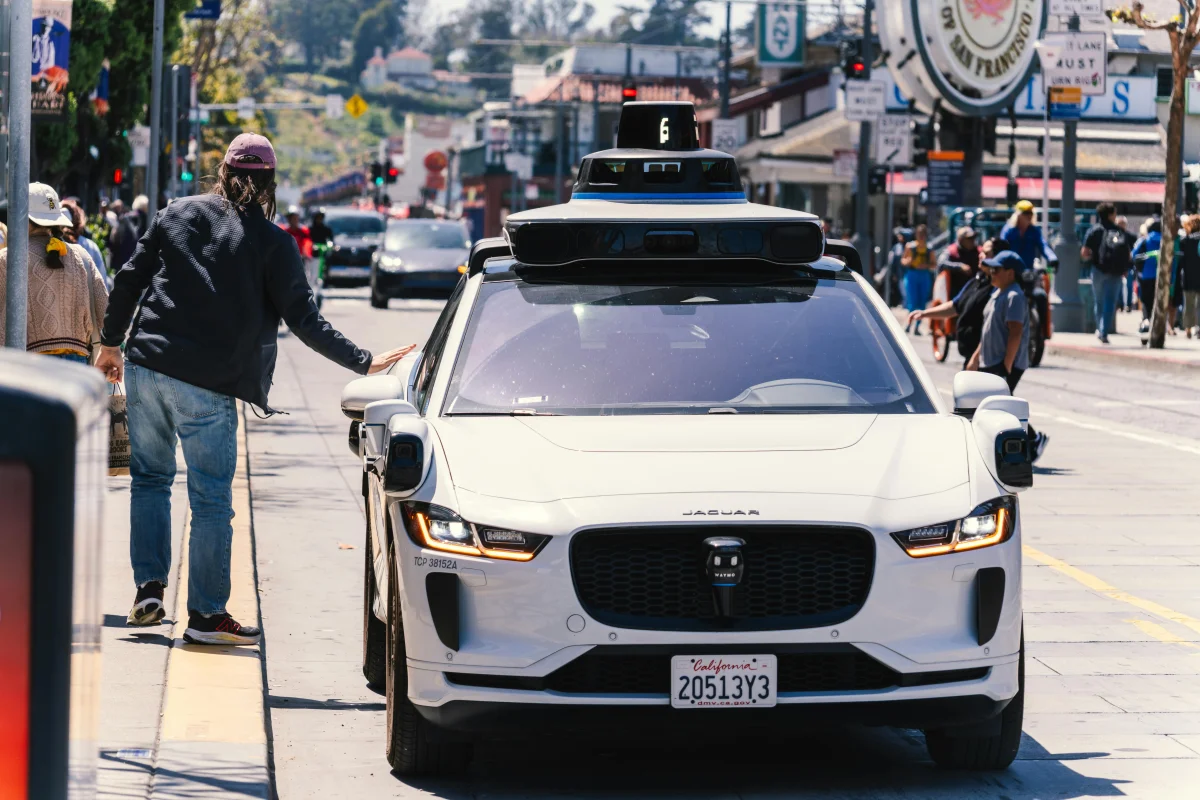
Robotaxis represent the future of urban mobility, offering unprecedented efficiency and safety.
Elon Musk
Chapter 02
Integration and Impact
Delve into the steps necessary for integrating robotaxis into urban environments and their potential impact.
Narrative flow
Scroll through the argument
01
Infrastructure Overhaul
Cities must invest in infrastructure that supports autonomous vehicles, including dedicated lanes and charging stations.
02
Policy and Regulation
Developing robust policies to ensure safety, privacy, and ethical considerations in autonomous vehicle operations.
03
Public Perception
Building public trust through education and transparent communication about the benefits and safety of robotaxis.
Infrastructure Challenges
The successful integration of robotaxis requires an overhaul of existing urban infrastructure. Cities need to adapt to accommodate these vehicles, which includes creating dedicated lanes and installing charging stations. This transformation demands significant investment but promises long-term benefits in urban planning and efficiency.
Policy Framework
Governments play a crucial role in the deployment of robotaxis. Developing comprehensive policies that address safety, privacy, and ethical implications is essential. These regulations must evolve alongside technological advancements to ensure that autonomous vehicles operate within a framework that prioritizes public welfare.
Public Acceptance
For robotaxis to become a reality, public perception must shift. Educating the populace on the benefits and safety of these vehicles is paramount. Transparency in communication and demonstrating the tangible advantages of autonomous transportation will foster trust and acceptance.
The Future in Motion
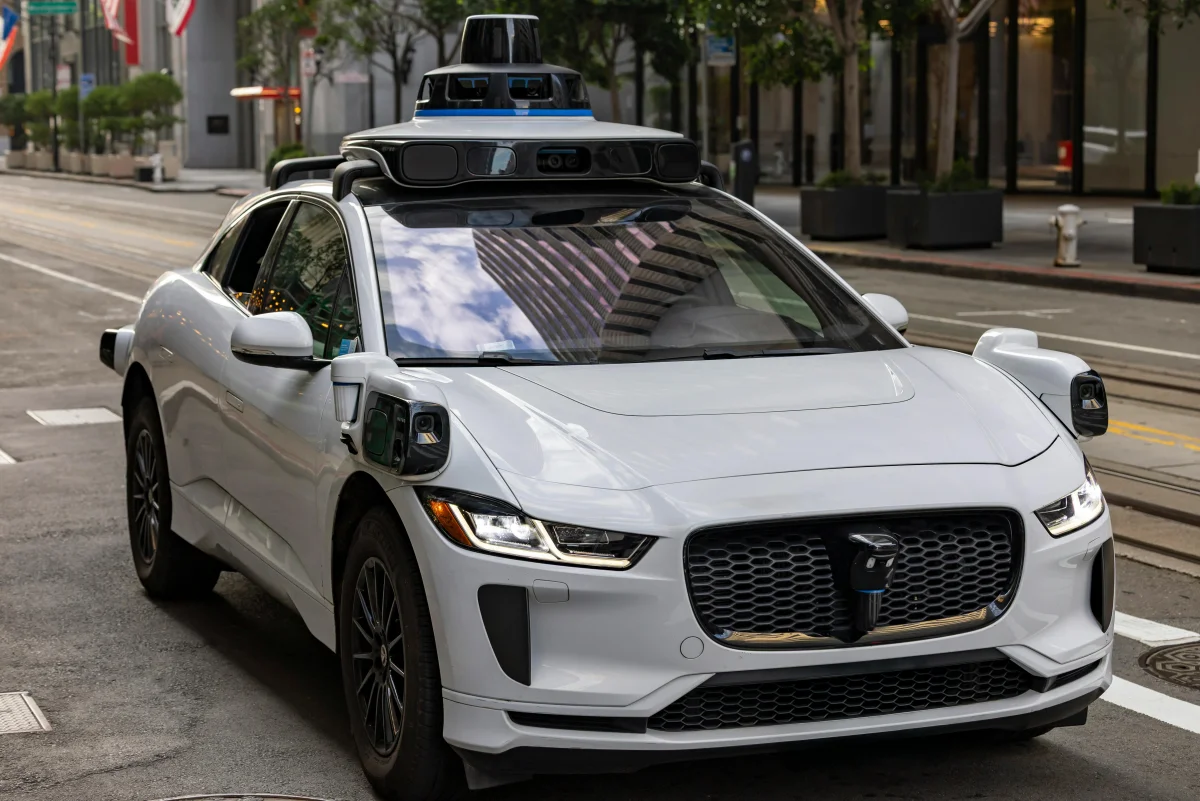

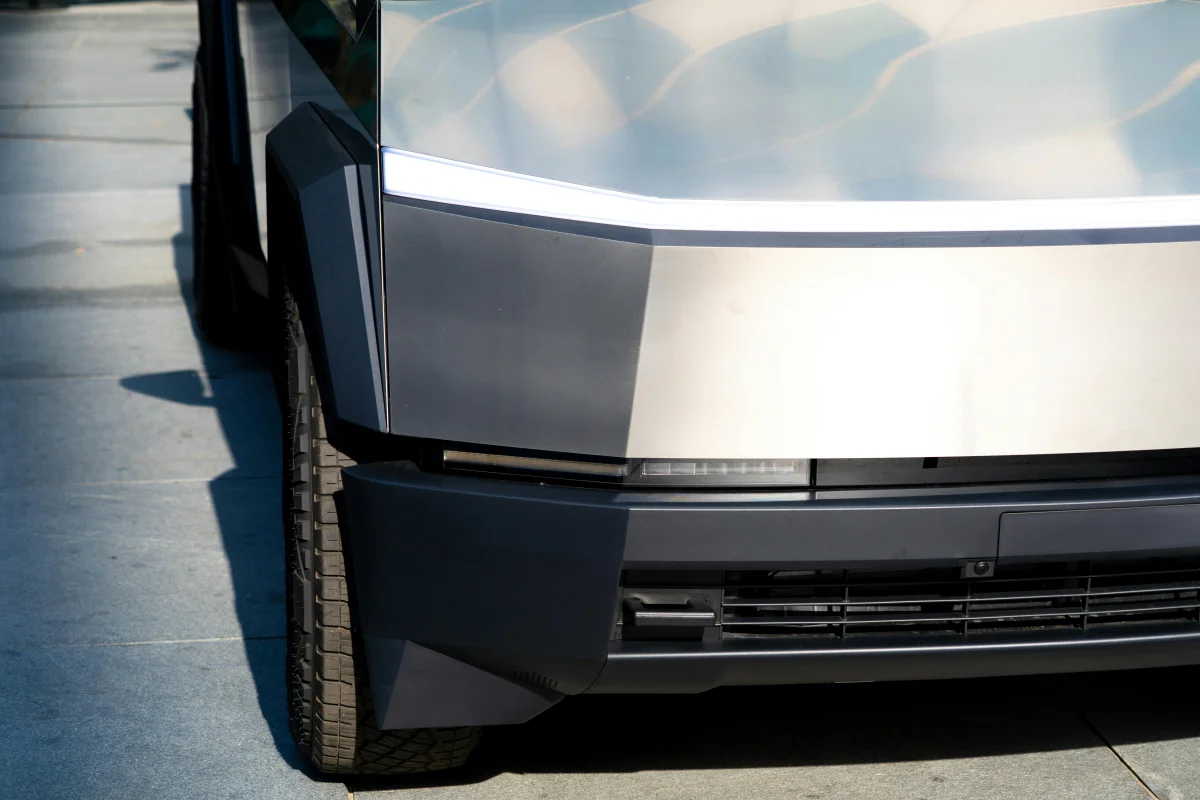
Integrating robotaxis into urban environments isn’t just about technology; it’s about reimagining city life. These vehicles promise a future where transportation is seamless and sustainable, but realizing this vision requires collaboration across sectors and a commitment to innovation. The journey is challenging, but the destination holds immense promise.
Chapter 03
Looking Ahead
Explore the long-term implications and potential of robotaxis in reshaping urban landscapes.
The Road to the Future
As we look to the future, robotaxis stand at the forefront of a transportation revolution. Their widespread adoption could lead to fundamentally different urban landscapes, where efficiency and sustainability are the norm.
- Resilient Cities: Enhanced urban resilience through adaptive transportation systems.
- Innovative Mobility: Continuous innovation in autonomous technology, driving forward new mobility solutions.
- Sustainable Growth: Cities designed for sustainability, reducing reliance on fossil fuels.
- Economic Opportunities: New markets and industries emerging from autonomous vehicle technology.
- Social Equity: Improved access to transportation for underserved communities.
- Global Collaboration: Cross-border partnerships to advance autonomous vehicle technology and policy.
Real-World Implications
Cities like San Francisco and Tokyo are already piloting robotaxi programs, offering insights into the challenges and opportunities of this technology. These real-world examples serve as testbeds for future implementations, showcasing the potential for scalability and integration.
Best Practices for Implementation
For successful deployment, cities must adopt best practices that prioritize safety, inclusivity, and sustainability. Collaborative efforts between technology developers, policymakers, and communities will be crucial in shaping a future where robotaxis are a common sight on city streets.
Robotaxis are more than just a technological innovation; they represent a vision for the future of urban living. As we navigate this transformative period, the promise of robotaxis lies in their potential to create cities that are not only more efficient but also more equitable and sustainable.
The journey towards widespread robotaxi adoption is a complex yet promising path. Embracing this change requires vision, collaboration, and a commitment to reshaping our cities for the better. As we stand on the brink of this new era, it’s clear that robotaxis are not just an option for the future—they are a necessity.