The hybrid architecture of IoT and cloud computing is reshaping the technology landscape, offering unprecedented connectivity and data management capabilities. As devices become more interconnected, the need for robust and scalable solutions grows. The convergence of these technologies promises to revolutionize industries, from healthcare to manufacturing, by providing comprehensive insights and real-time analytics.
Chapter 01
Understanding Hybrid Architecture
Delve into the mechanics of integrating IoT with cloud computing to form a cohesive system.
The Foundation of Hybrid Architecture
The integration of IoT with cloud computing forms a hybrid architecture that is both powerful and flexible. This architecture allows for the seamless exchange of data between devices and centralized systems, facilitating improved decision-making and operational efficiency. Companies adopting this approach benefit from:
- Scalability: Easily scale operations as the number of connected devices grows.
- Cost Efficiency: Reduce infrastructure costs by leveraging cloud resources.
- Enhanced Security: Centralized data management enhances security protocols.
- Real-Time Analytics: Access to live data streams improves response times.
- Flexibility: Adapt quickly to changing business needs with modular architecture.
- Interoperability: Connect various devices and systems seamlessly.
The Role of IoT in Hybrid Systems
IoT devices are the sensory nodes of the hybrid architecture, capturing data from the environment. These devices range from simple sensors to complex machinery, each contributing valuable insights. The data collected is often vast, necessitating efficient processing and storage solutions.
Cloud Computing: The Backbone
Cloud computing serves as the backbone of hybrid architectures, offering the computational power and storage needed to handle large data volumes. It enables real-time data processing and provides the infrastructure necessary for deploying advanced analytics and machine learning models.
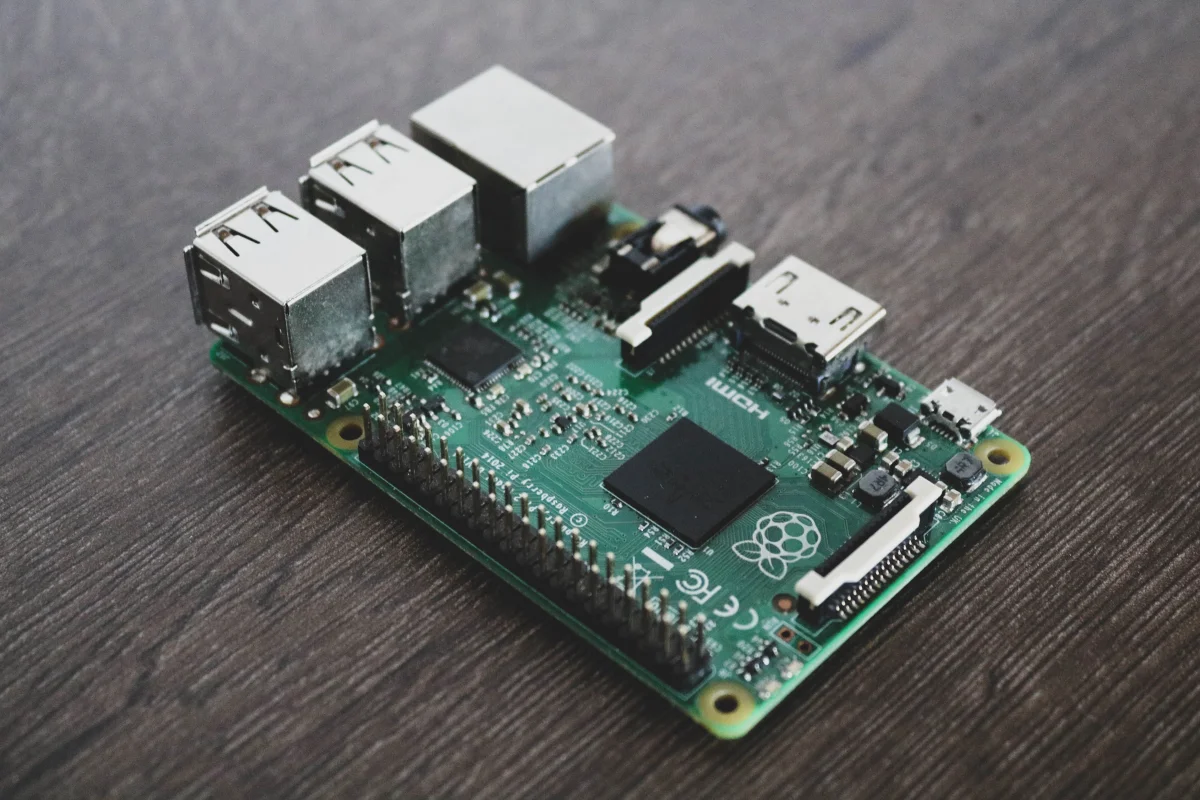
The hybrid architecture of IoT and cloud computing is reshaping the technology landscape, offering unprecedented connectivity and data management capabilities.
Chapter 02
Implementation Strategies
Explore the practical steps and strategies for implementing hybrid architectures effectively.
Narrative flow
Scroll through the argument
01
Step 1: Assess Needs
Identify specific business needs and IoT use cases that will benefit from cloud integration. Evaluate the current infrastructure and determine the required scalability and security features.
02
Step 2: Design Architecture
Develop a blueprint for your hybrid system. This includes selecting appropriate IoT devices, cloud service providers, and network configurations. Ensure the architecture supports future growth and flexibility.
03
Step 3: Implement and Monitor
Deploy the hybrid architecture incrementally, starting with pilot projects. Use monitoring tools to track performance and make adjustments as needed. Prioritize security and data integrity throughout the process.
Designing a Robust System
Designing a hybrid architecture involves selecting the right components and ensuring interoperability. Considerations include:
- Device Compatibility: Ensure all IoT devices can communicate with cloud systems.
- Network Infrastructure: Implement a reliable network to support data flow.
- Data Management: Develop strategies for data storage, processing, and retrieval.
- Security Measures: Protect sensitive data with robust security protocols.
Overcoming Common Challenges
While hybrid architectures offer numerous benefits, they also present challenges. Common issues include data latency, security vulnerabilities, and integration complexities. Addressing these challenges requires a proactive approach and continuous monitoring.
Visualizing Hybrid Architecture



The integration of IoT and cloud computing into a hybrid architecture is not just a technological advancement but a strategic shift that enhances business capabilities and drives innovation. Embracing this change means leveraging the best of both worlds to create a more responsive and adaptive infrastructure.
As we move forward, the hybrid architecture will continue to evolve, driven by advancements in IoT and cloud technologies. This evolution promises to unlock new potentials, enabling businesses to harness the full power of data. By adopting a strategic approach to hybrid integration, organizations can stay ahead of the curve, ensuring they remain competitive in an increasingly connected world.