Chapter 01
Understanding the Role
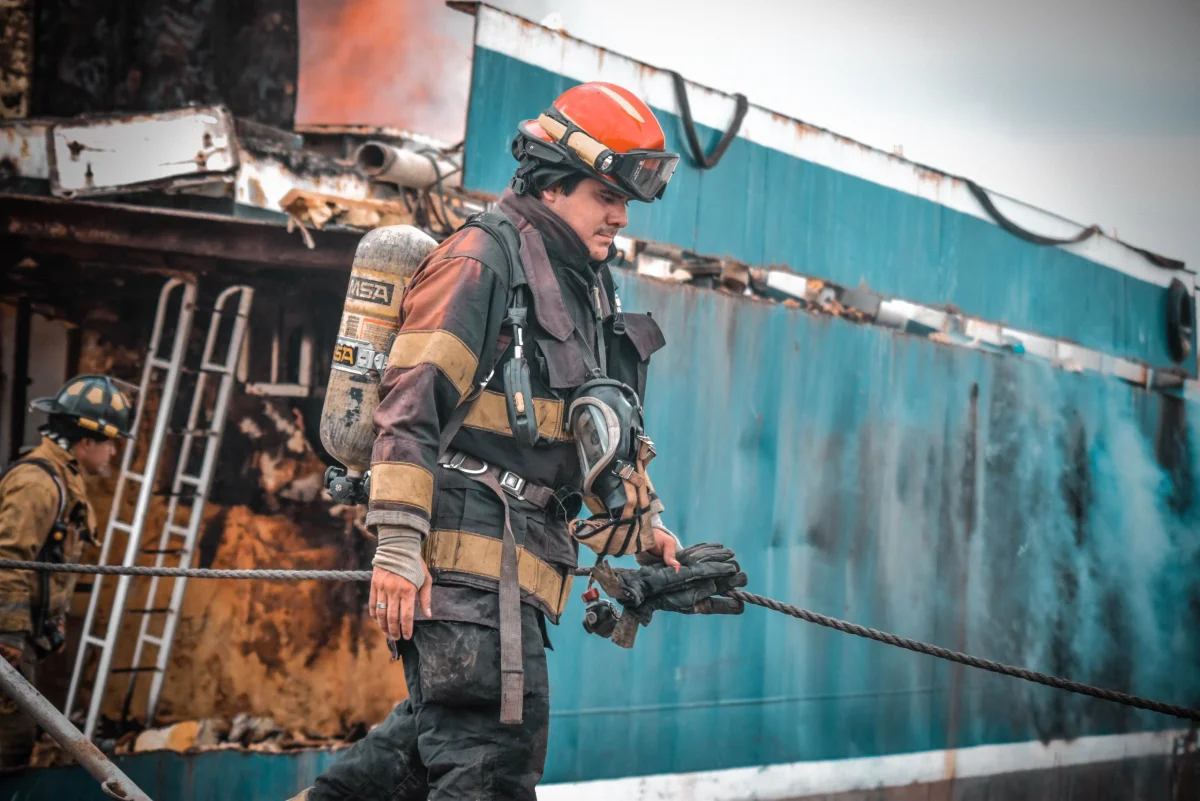
The Incident Commander is the cornerstone of effective incident response. Let's delve into how this role functions and why it's essential.
The Role of the Incident Commander
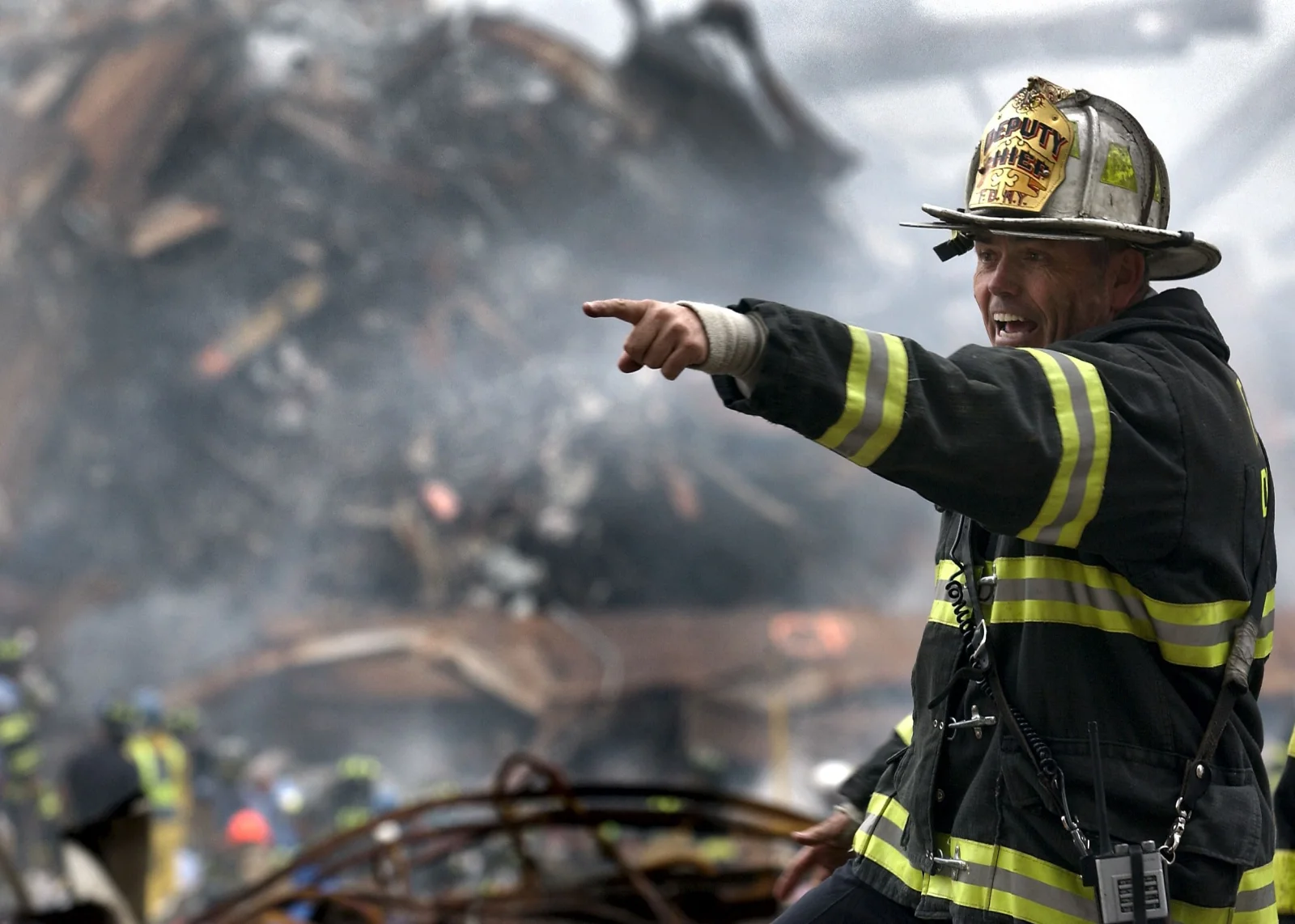
An Incident Commander serves as the central figure during a crisis, responsible for making strategic decisions and coordinating efforts across teams. Their authority is clear and unquestioned, ensuring that all actions are aligned towards resolving the incident efficiently.
- Centralizes decision-making
- Coordinates resources and communication
- Establishes clear roles and responsibilities
- Minimizes operational downtime
- Enhances response capabilities
The Importance of Centralized Leadership
Centralized leadership during incidents is crucial. It prevents the confusion that often arises when multiple voices attempt to steer the response. By funneling decisions through a single leader, organizations can maintain a focused and effective approach.
Historical Context: Lessons Learned
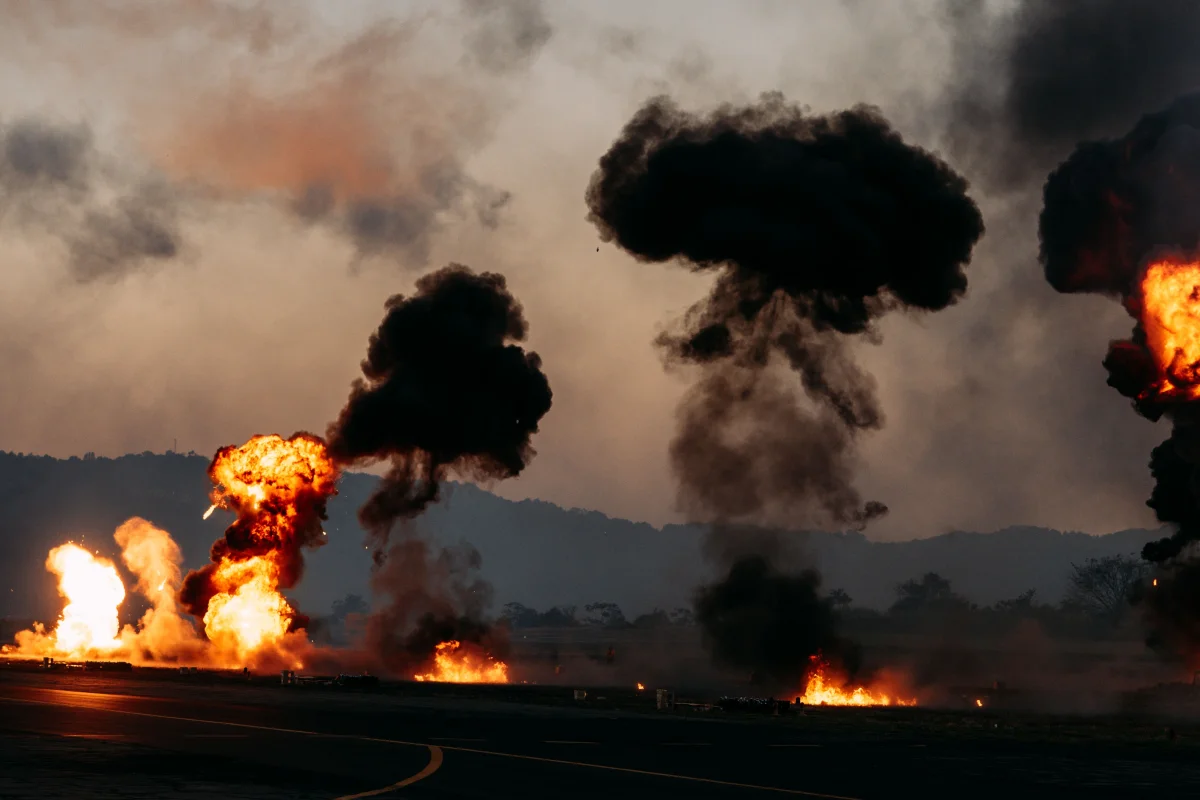
Past incidents have shown the critical need for an Incident Commander. From major cybersecurity breaches to natural disasters, the presence of a decisive leader has often been the difference between chaos and order.
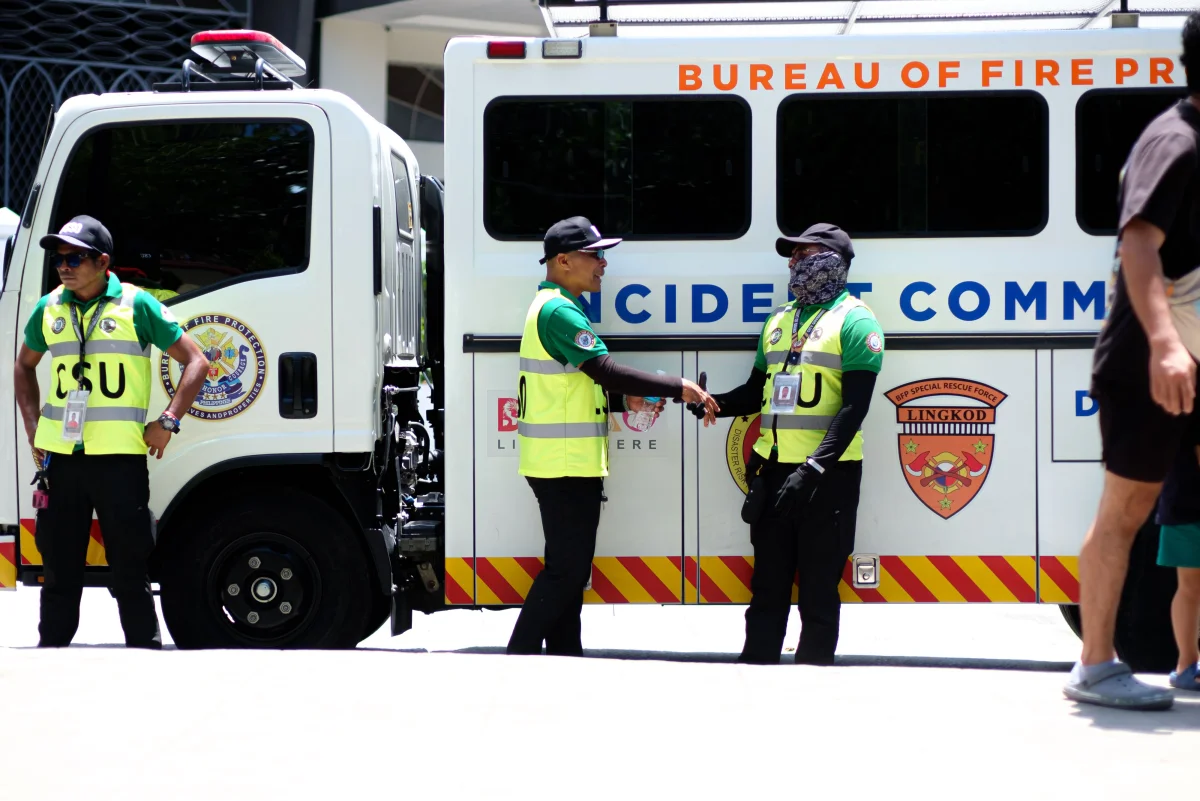
An Incident Commander serves as the central figure during a crisis, responsible for making strategic decisions and coordinating efforts across teams.
Chapter 02
Strategic Execution
Executing an incident response plan requires precision and clarity. Here’s how an Incident Commander effectively leads the charge.
Narrative flow
Scroll through the argument
01
Step 1: Immediate Assessment
The first action is to assess the situation accurately. Gathering data and understanding the scope of the incident ensures that the right resources are mobilized promptly.
02
Step 2: Resource Coordination
Next, the Incident Commander coordinates efforts across teams. By establishing communication channels, they ensure that everyone is informed and aligned with the response strategy.
03
Step 3: Continual Evaluation
The situation is dynamic, requiring constant evaluation. The Incident Commander must adapt strategies based on real-time information, ensuring that the response remains effective.
Coordinating a Multifaceted Response
The complexity of incidents demands a multifaceted approach. The Incident Commander must balance technical, logistical, and human factors, ensuring that every aspect is addressed without delay.
Avoiding Common Pitfalls
One common pitfall in incident management is the lack of role clarity. Without clear responsibilities, team members may duplicate efforts or overlook critical tasks. The Incident Commander’s role is to eliminate these inefficiencies.
Incident Management in Action