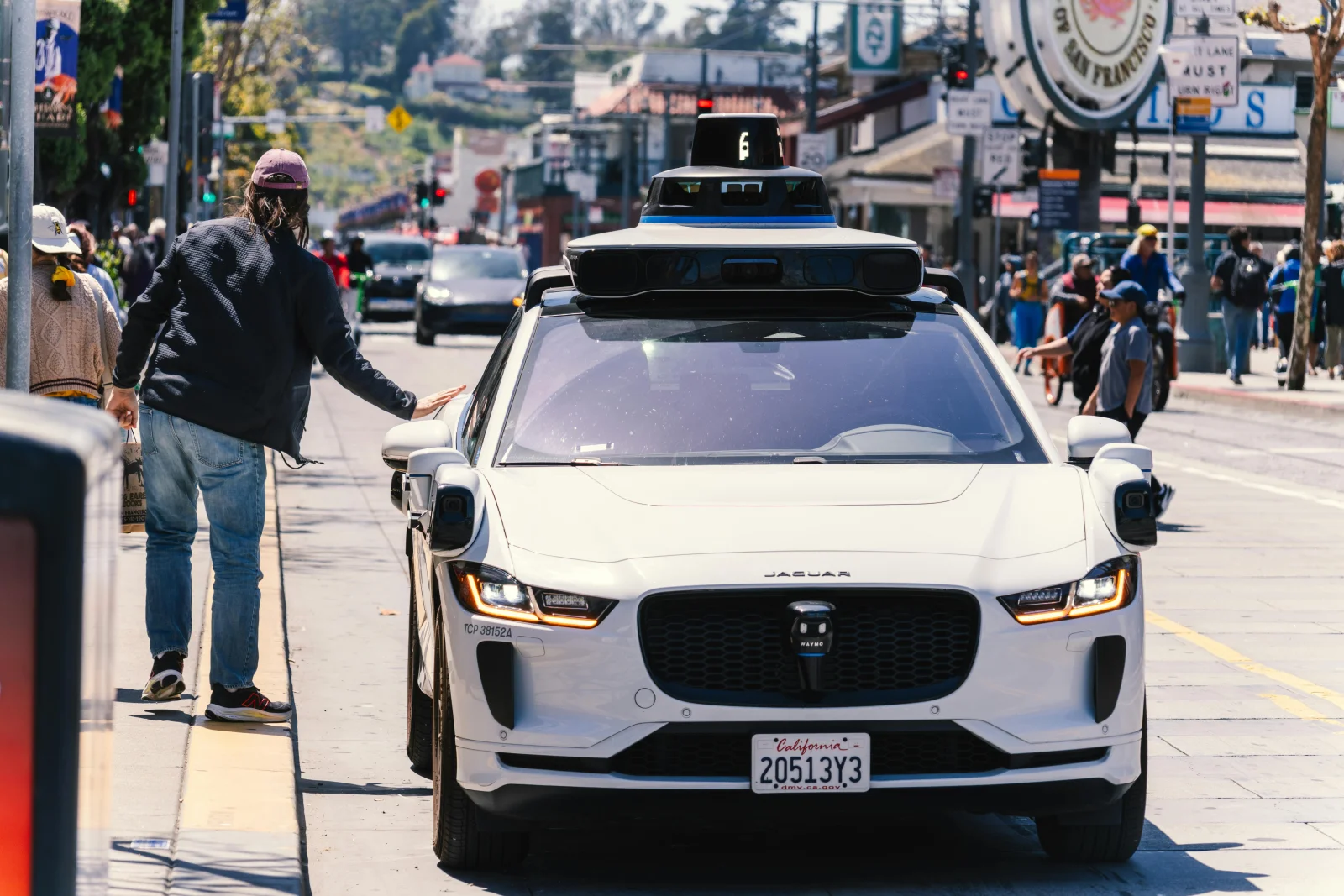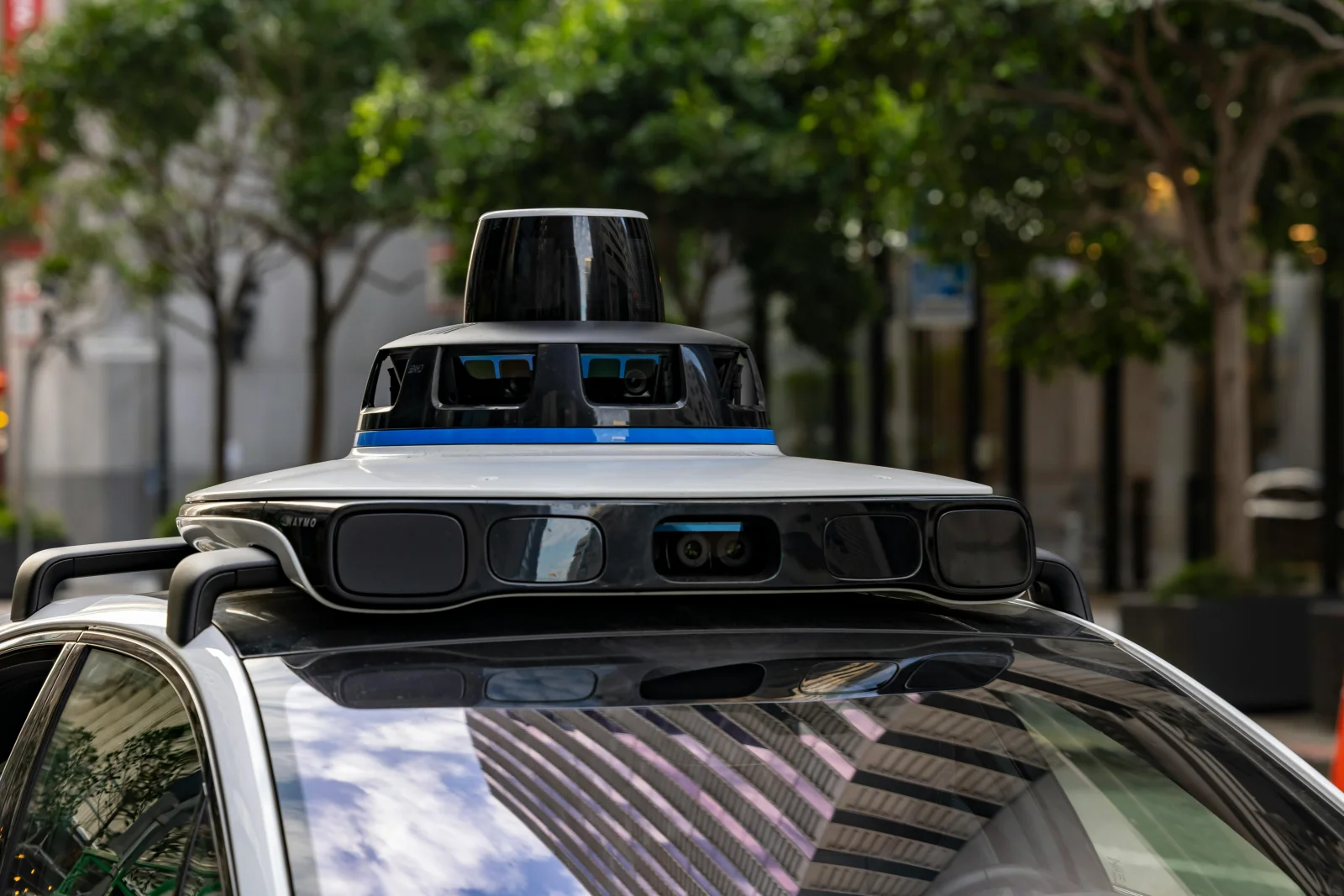
Imagine a city where every Uber ride not only transports passengers but also collects crucial data for self-driving technology. This is not a distant future but a present reality unfolding across urban landscapes. Uber’s vast driver network has become a sprawling sensor grid, capturing data to fuel the AI revolution in transportation. As each vehicle traverses city streets, it collects information pivotal for developing autonomous vehicles.
Chapter 01
The Grid Unveiled
Discover how Uber's driver network evolves into a self-sustaining sensor grid.
The Network Effect
Uber’s driver network is more than a collection of individual cars; it’s an intricate web of data points. Each vehicle is equipped with sensors and GPS technology, constantly feeding real-time data back to central systems. This network effect creates a collective intelligence, empowering Uber to monitor traffic patterns, road conditions, and environmental changes with unprecedented accuracy.
- Real-time location tracking
- Traffic congestion analysis
- Weather condition monitoring
- Incident reporting and response
- Route optimization
- Fuel consumption data
- Passenger flow analytics
Data as the New Fuel
The data amassed by Uber’s vehicles is invaluable. It serves as the foundation for machine learning algorithms that improve self-driving capabilities. By analyzing vast datasets, AI systems learn to navigate complex urban environments, anticipate potential hazards, and optimize routes for efficiency and safety.
Historical Context
Uber’s transformation into a sensor network is part of a broader trend in the transportation industry. Historically, companies have relied on static sensors and cameras to gather data. However, the dynamic nature of Uber’s fleet provides a more comprehensive and adaptable approach, marking a significant shift in data acquisition strategies.
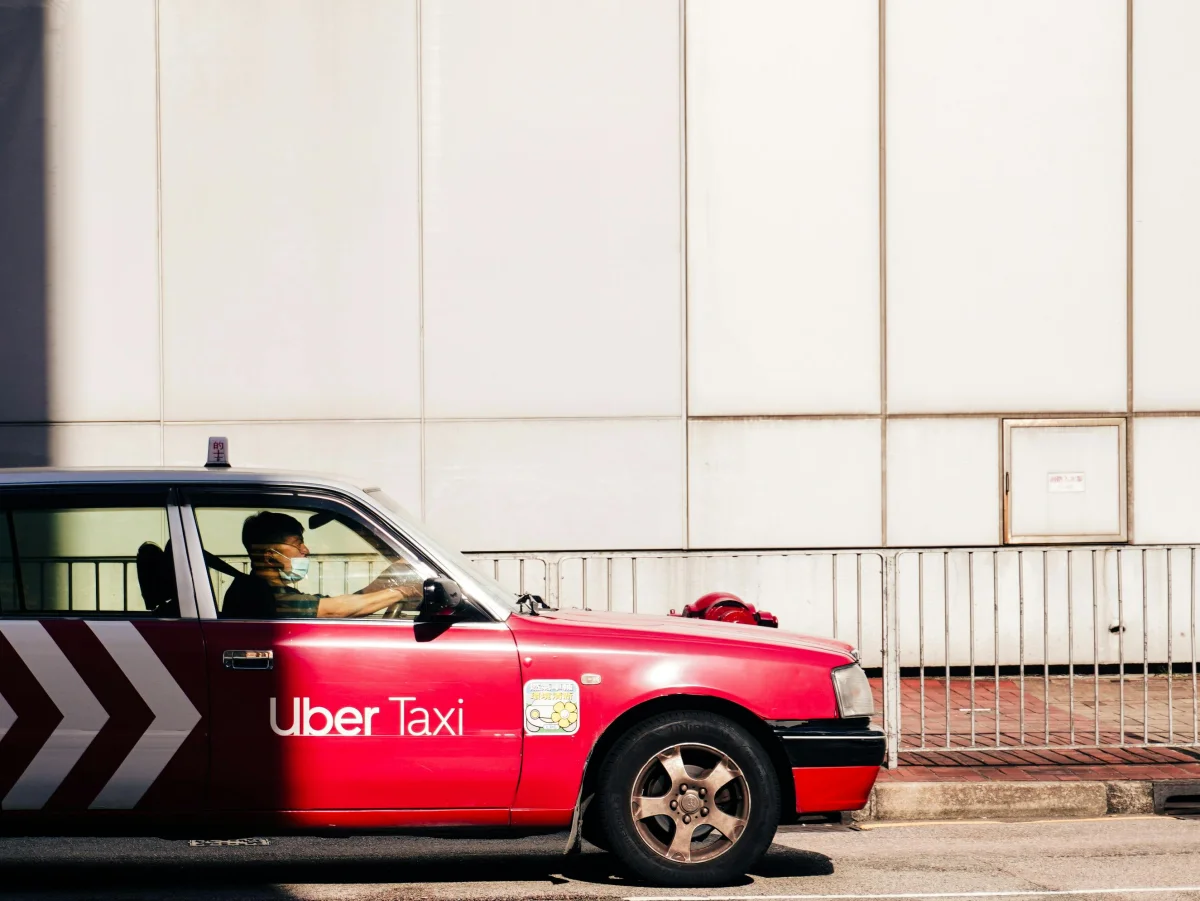
Uber's vast driver network has become a sprawling sensor grid, capturing data to fuel the AI revolution in transportation.
Chapter 02
Building the Autonomous Future
Explore the transformative role of Uber's network in paving the way for autonomous vehicles.
Narrative flow
Scroll through the argument
01
Step 1: Data Collection
Uber's vehicles gather vast amounts of data, creating a real-time map of the city. This data is crucial for understanding urban dynamics and developing AI models.
02
Step 2: Data Analysis
Advanced analytics and machine learning algorithms process the data, identifying patterns and making predictions that enhance autonomous driving technology.
03
Step 3: Continuous Improvement
The feedback loop enables iterative improvements in AI systems, ensuring that autonomous vehicles become safer and more efficient over time.
Enhancing AI Capabilities
Uber’s driver network is a testbed for AI innovation. By continuously feeding data into machine learning models, Uber refines its AI systems, enabling them to better understand and navigate complex urban environments. This process not only accelerates the development of autonomous vehicles but also enhances existing services, providing a smoother and more reliable user experience.
Challenges and Opportunities
Despite the potential, integrating autonomous vehicles into existing transportation systems presents challenges. Regulatory hurdles, technological limitations, and public acceptance are significant factors that Uber must address. However, the opportunities for revolutionizing urban mobility are immense, promising safer, more efficient, and environmentally friendly cities.
The Future of Urban Mobility



Uber’s vision for the future is not just about transportation; it’s about transforming how cities function. By leveraging its driver network as a self-sustaining sensor grid, Uber is at the forefront of the autonomous vehicle revolution. This approach promises to redefine urban mobility, leading to smarter, more connected cities. As Uber continues to innovate, the implications for society are profound, offering a glimpse into a future where technology and urban life are seamlessly integrated.
Chapter 03
A New Horizon
What does Uber's sensor grid mean for the future of urban transportation?
The Road Ahead
As Uber continues to develop its sensor network, the possibilities for urban transportation are continually expanding. This initiative not only enhances Uber’s service but also sets a precedent for other companies aiming to integrate AI into transportation. The implications for urban planning and policy are significant, requiring collaboration between tech companies and government agencies.
- Real-time data sharing with city planners
- Enhanced public transportation systems
- Sustainable urban development
- Improved emergency response systems
- Reduction in traffic congestion
- Increased safety for all road users
Real-World Applications
Cities around the world are beginning to adopt smart transportation systems, using data to improve efficiency and reduce environmental impact. Uber’s sensor grid plays a crucial role in these initiatives, providing the data necessary to make informed decisions about urban development and transportation policies.
Best Practices for Integration
For successful integration, transparency and collaboration are key. As Uber and other companies advance in this field, engaging with stakeholders, including policymakers, urban planners, and the public, is essential. This cooperative approach ensures that the benefits of autonomous technology are realized while addressing potential concerns and challenges.
In the grand scheme of urban transformation, Uber’s driver network as a self-driving sensor grid is a pivotal development. By harnessing the power of data, Uber is not only redefining its services but also contributing to a broader movement towards smarter, more connected cities. This journey is just beginning, and the road ahead is filled with opportunities for innovation and growth.