
Token economics plays a crucial role in the burgeoning world of Web3. As blockchain technologies evolve, the need for sustainable token models becomes increasingly evident. Without robust economic structures, decentralized networks risk instability. This article explores the dynamics of token economics and their impact on Web3’s long-term sustainability.
Chapter 01
Foundation of Token Economics
Understanding the basics of tokenomics is essential for sustainable growth in Web3. Let's explore the core principles.
Understanding Token Economics
Token economics, or tokenomics, is the study of how tokens are used within a blockchain ecosystem to incentivize participants and sustain network operations. A well-designed token economy can lead to efficient resource distribution and enhanced network security.
- Value Proposition: Tokens must offer tangible benefits to users.
- Scarcity and Inflation Control: Balancing supply is crucial to maintain value.
- Incentive Structures: Encourage desired behaviors within the network.
- Governance: Decentralized decision-making ensures resilience.
- Interoperability: Tokens should seamlessly interact across platforms.
- Security: Protecting the ecosystem from fraudulent activities is paramount.
The Role of Supply and Demand
Supply and demand dynamics are fundamental to token value. Over-minting can lead to inflation, while scarcity may drive up demand and price. Balancing these forces is key to maintaining token stability.
Historical Context
Historically, many blockchain projects have faltered due to inadequate tokenomics. These failures underscore the importance of meticulous design and foresight in crafting token economies.
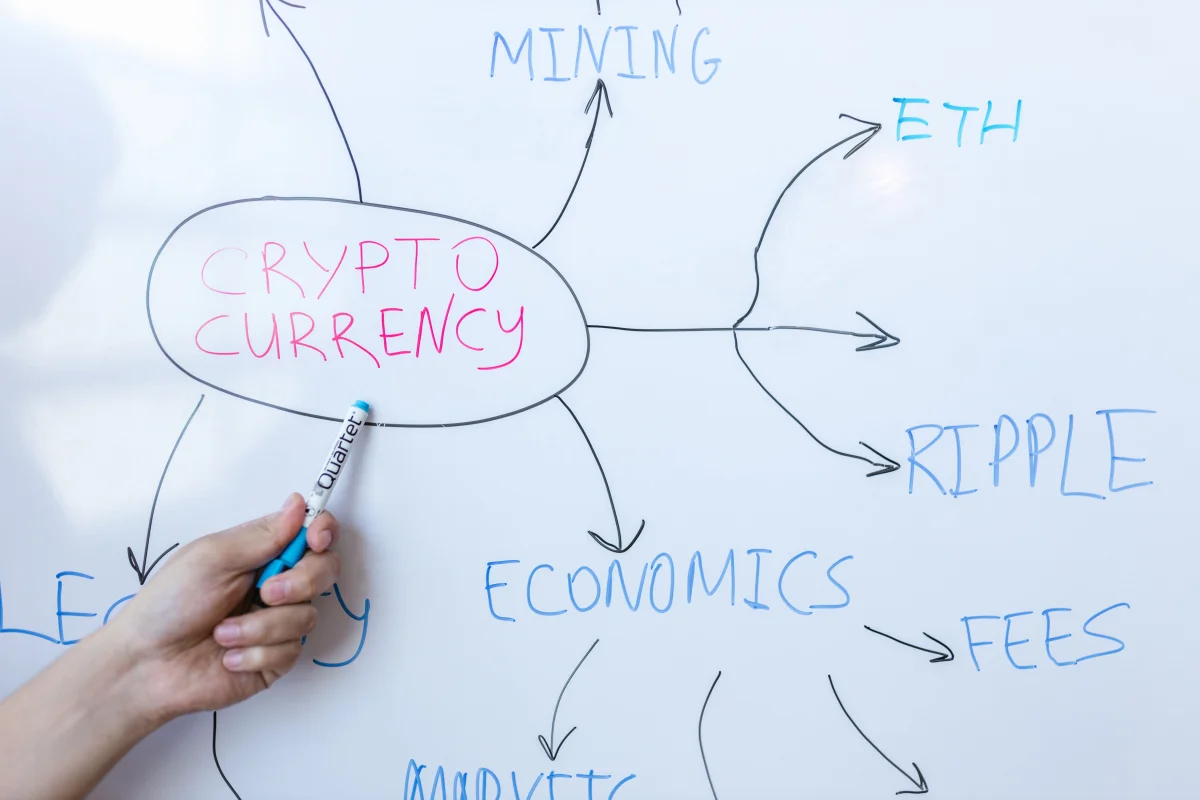
Token economics plays a crucial role in the burgeoning world of Web3.
Chapter 02
Designing Sustainable Token Models
Let's delve into strategies for creating sustainable token economies that ensure the longevity of decentralized networks.
Narrative flow
Scroll through the argument
01
Step 1: Assessing Network Needs
Identify the core requirements of your network. Understand what drives user engagement and how tokens can facilitate these interactions.
02
Step 2: Structuring Incentives
Design incentive mechanisms that align with network goals. Use tokens to encourage behaviors that contribute to network growth and security.
03
Step 3: Governance and Adaptability
Implement governance structures that allow for adaptability. Ensure the token model can evolve in response to emerging challenges and opportunities.
Incentive Structures in Action
Incentive structures are the backbone of a successful token economy. For example, DeFi platforms often reward participants for providing liquidity, thereby enhancing market stability and user engagement.
Governance and Flexibility
Effective governance models empower communities to make decisions that align with collective interests. Flexibility in governance ensures the network can adapt to regulatory changes and technological advancements.
Common Pitfalls
One common mistake is over-reliance on token speculation. While speculative interest can drive initial adoption, it may not sustain long-term network health. A focus on utility and real-world applications is essential for enduring success.
Visualizing Token Economics



As we navigate the complexities of Web3, understanding the nuances of token economics is paramount. A well-structured token model not only supports network growth but also fosters a sustainable digital ecosystem. The journey toward sustainable Web3 is an ongoing endeavor, requiring adaptability and innovation at every turn.
The potential of Web3 lies in its ability to create decentralized, resilient systems. By prioritizing sustainable token models, we can build networks that withstand the test of time and drive meaningful change. The future of blockchain is bright, but it requires a commitment to thoughtful economic design and community-driven governance. Ultimately, the success of Web3 will depend on our collective ability to craft token economies that serve both the network and its participants.