
Virginia’s datacenters represent a complex interplay of economic incentives and political challenges. As the industry expands, the state finds itself navigating a delicate balance between fostering economic growth and addressing community concerns. This article explores the multifaceted impact of Virginia’s datacenters, highlighting the economic benefits and the political hurdles they encounter.
Chapter 01
Economic Boon or Burden?
The datacenter boom in Virginia isn't just about tech giants. It's a story of economic revitalization and resource allocation.
The Economic Impact of Datacenters
The rapid expansion of datacenters in Virginia has transformed the economic landscape. These facilities contribute significantly to local economies through job creation, increased tax revenues, and infrastructure development. However, the economic benefits are not evenly distributed, creating tension in various communities.
Employment Opportunities
Datacenters offer numerous employment opportunities, both directly and indirectly. While they do create high-paying tech jobs, the majority of employment stems from construction and maintenance roles. This distinction often sparks debate about the long-term sustainability of such economic benefits.
Tax Revenues and Incentives
Local governments often offer tax incentives to attract datacenters, hoping to boost regional growth. However, these incentives can sometimes lead to political friction, as residents question whether the benefits outweigh the costs.
Chapter 02
Political Implications
Virginia's datacenters are more than economic engines; they are political flashpoints.
The Political Landscape
The proliferation of datacenters has not been without political repercussions. Issues such as zoning laws, environmental impact, and infrastructure demands have become central to the political discourse surrounding these facilities.
Zoning and Land Use
Datacenters require vast amounts of land, often in regions that are not traditionally industrial. This has led to contentious zoning debates, as communities weigh the economic benefits against potential disruptions to local life.
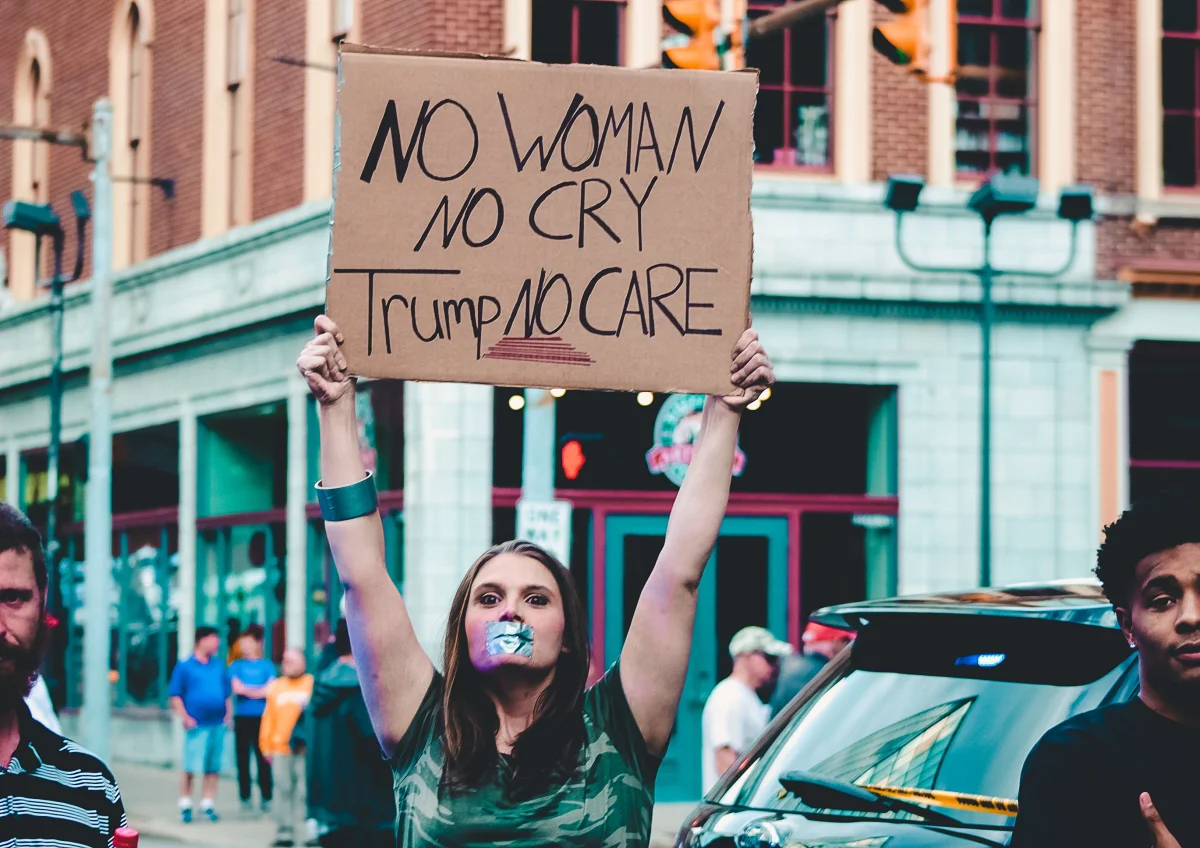
The rapid expansion of datacenters in Virginia has transformed the economic landscape.
A community planner
Environmental Concerns
The environmental impact of datacenters, particularly their energy consumption and water usage, is a significant political concern. As these facilities grow, they strain local resources, prompting debates over sustainable practices and regulatory measures.
Narrative flow
Scroll through the argument
01
Step 1: Identify Needs
Communities must assess the economic and environmental impacts of proposed datacenters.
02
Step 2: Engage Stakeholders
Local governments need to facilitate discussions with stakeholders, including residents and datacenter operators.
03
Step 3: Implement Policies
Developing clear policies that balance growth with sustainability is crucial for long-term success.
The Faces of Virginia's Datacenter Expansion


Chapter 03
Future Outlook
As Virginia's datacenter industry continues to grow, what does the future hold?
Balancing Growth and Sustainability
The future of Virginia’s datacenters hinges on finding a balance between economic growth and sustainability. Policymakers must craft solutions that address both immediate needs and long-term consequences.
Infrastructure Investments
Datacenters demand significant infrastructure investments, including roads, power lines, and internet connectivity. These necessities often lead to political debates over who should bear the costs and how the projects should be funded.
Community Involvement
Ensuring community involvement in datacenter planning and development is crucial. Open dialogues between stakeholders can help mitigate tensions and create policies that reflect local priorities.
The expansion of datacenters in Virginia is a double-edged sword. On one side, they promise economic revitalization and technological advancement. On the other, they pose significant challenges in terms of political negotiation and sustainable development. As the state navigates this complex landscape, the decisions made today will shape the future of Virginia’s economy and communities.