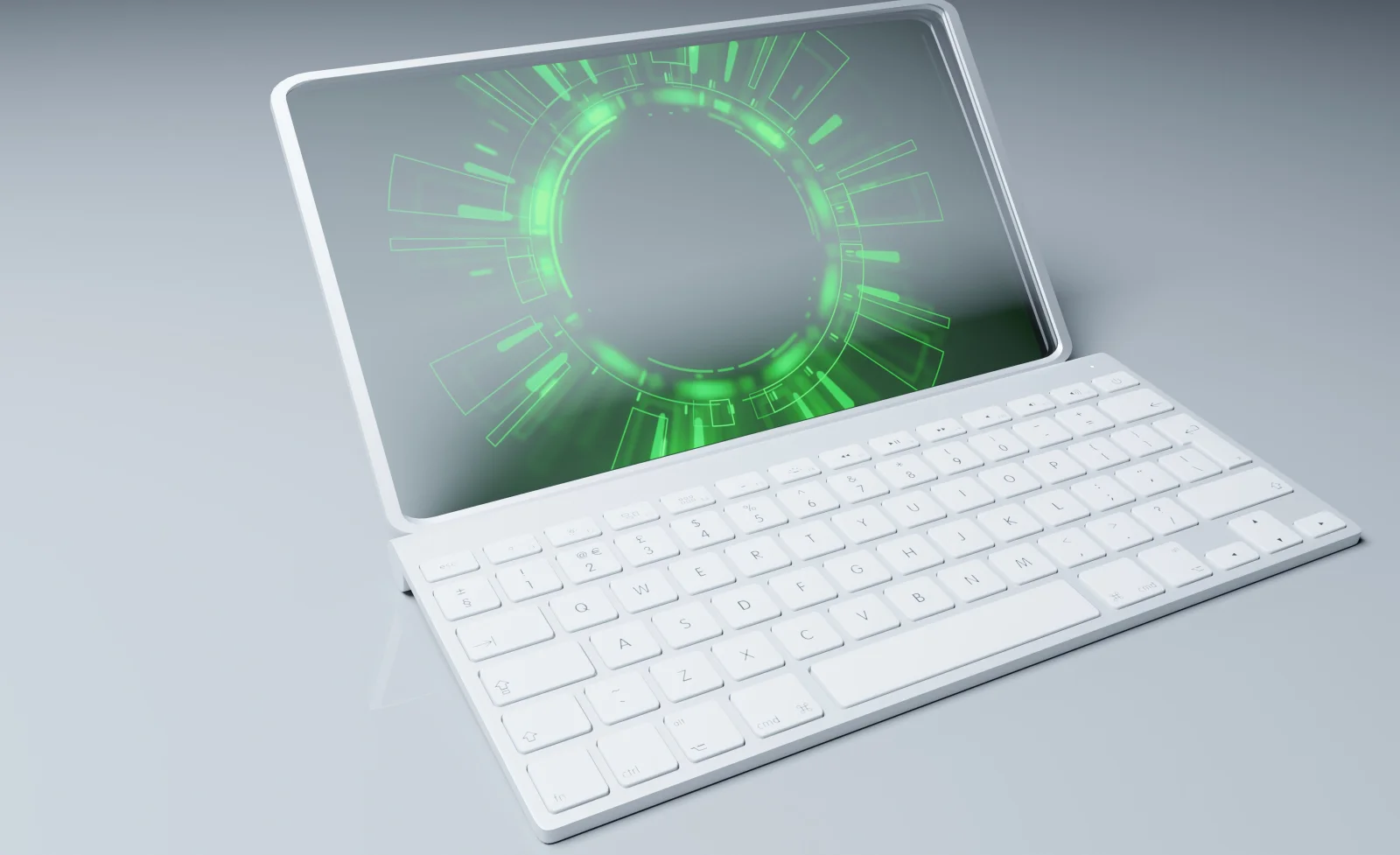
The dream of the computer of tomorrow once captured the imagination of an entire generation. Promises of sleek designs, intuitive interfaces, and unprecedented power filled our collective visions. Yet, as we sit surrounded by devices that are more practical than profound, we must ask: What truly happened to these futuristic promises?
Chapter 01
The Promises of Yesteryear
A look back at the ambitious visions that never materialized.
Back in the mid-20th century, technology enthusiasts and futurists painted vivid pictures of what computers could become. These predictions included everything from holographic displays to fully autonomous machines capable of performing complex tasks without human intervention. The allure was undeniable, and the anticipation was palpable.
Technological Hurdles: Despite ambitious blueprints, many of these futuristic designs were constrained by the technology of the time. Processing power and energy efficiency were significant barriers. Even today, advancements in quantum computing and AI are only beginning to scratch the surface of what was once imagined.
Market Dynamics: As the industry evolved, consumer demand shifted. The rise of mobile technology redirected focus from traditional computing to portable, personalized devices. The market’s appetite for smartphones and tablets eclipsed the demand for experimental computer models.
The future we imagined was both ahead of its time and behind reality.
A tech historian
Narrative flow
Scroll through the argument
01
Initial Enthusiasm
Early predictions for computers were fueled by rapid technological advances and a cultural fascination with science fiction.
02
Shifting Priorities
As the 21st century approached, the focus shifted to mobile and connected technologies, leaving some futuristic concepts behind.
03
A New Reality
Today's computers are a blend of powerful capabilities and practical designs, shaped by real-world demands rather than distant dreams.
Chapter 02
Redefining Expectations
The evolution of our technological dreams.
The path from vision to reality is often fraught with detours. As the world embraced digital transformation, the concept of the computer evolved. We stopped looking for single, all-encompassing devices and began to appreciate a networked ecosystem of specialized tools.
The Rise of Mobile Technology
Mobile devices revolutionized how we interact with technology. They became the primary interface for most users, offering portability and connectivity that traditional computers couldn’t match. This shift highlighted the importance of user experience over raw power or futuristic aesthetics.
The Role of AI and IoT
Artificial Intelligence (AI) and the Internet of Things (IoT) introduced new paradigms. These technologies prioritize integration and functionality, often working in the background, powering everything from smart homes to intelligent personal assistants. The futuristic vision of standalone supercomputers gave way to a more distributed and interconnected reality.
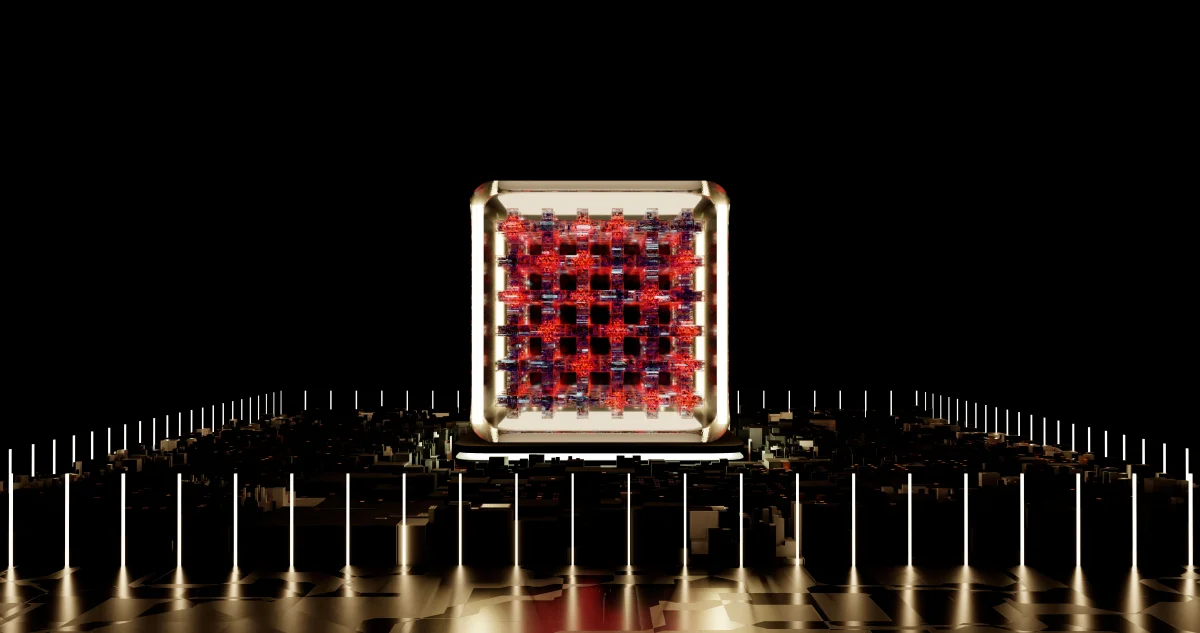
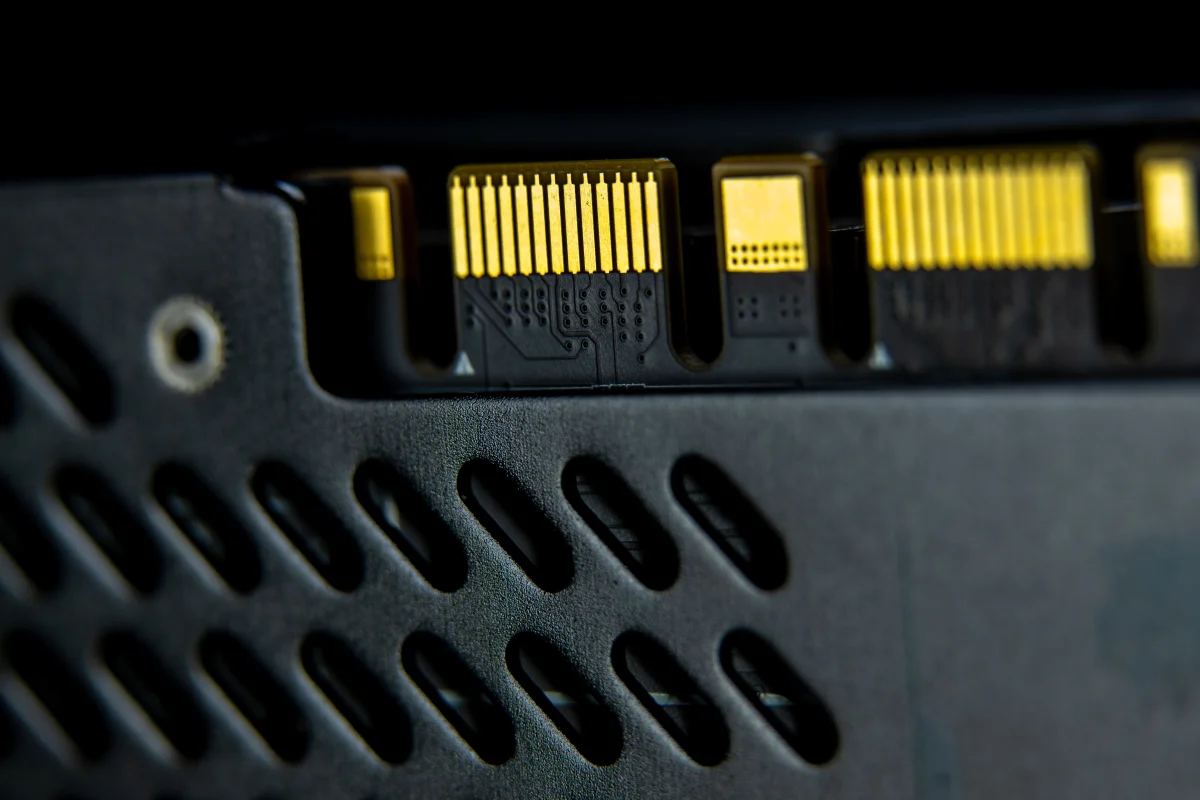
Evolving Computer Concepts
Chapter 03
The Lessons We Learned
How past predictions shape current and future tech development.
The journey of computing technology is a testament to adaptability and learning from our past. By examining where predictions fell short, we gain insights into what drives sustainable innovation.
Balancing Vision and Reality: While dreaming big is essential, aligning expectations with technological capabilities ensures we build feasible solutions. This balance prevents disillusionment and fosters genuine progress.
Consumer-Centric Designs: Understanding user needs is paramount. The success of mobile devices underscores the importance of user-centric development. Future technologies must continue to prioritize practicality alongside innovation.
Embracing Integration: The future isn’t about isolated advancements but seamless integration. AI, IoT, and other emerging technologies exemplify how interconnected systems enhance daily life.
Reflecting on the promises of the past, it’s clear that while some dreams remain unmet, the innovations we’ve embraced have transformed our world in profound ways. The computer of tomorrow may not fit the mold of past predictions, but it stands as a testament to the ever-evolving dance between imagination and reality.