Insight Report
When a Build Breaks, the Bug Fixes Itself
Unraveling the paradox of self-resolving bugs through CI/CD turbulence.
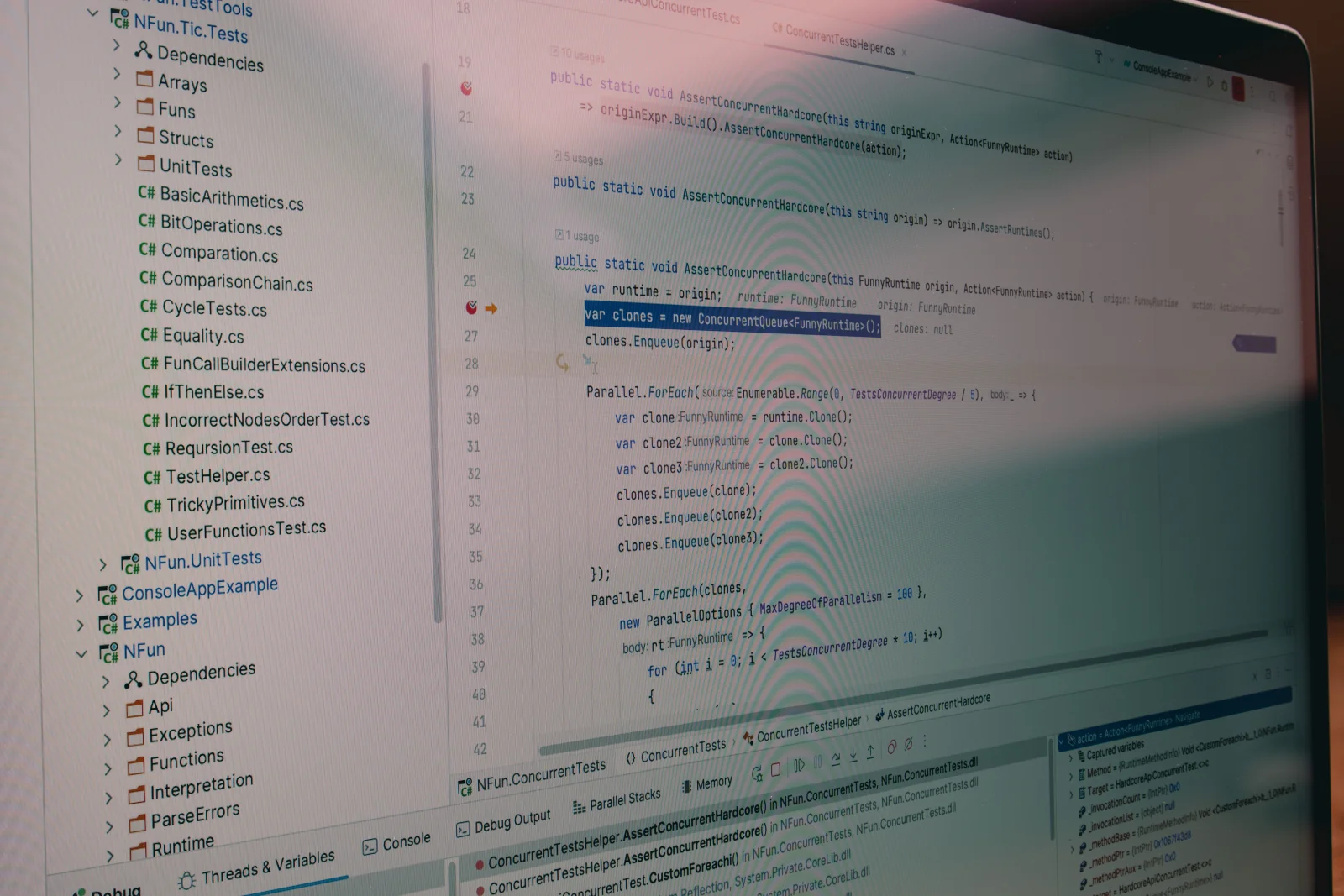
Within the chaotic world of continuous integration and continuous deployment (CI/CD), there’s a curious phenomenon where a broken build can lead to unexpected resolutions. It’s a paradox that turns the typical narrative of software development on its head, revealing a hidden art of self-fixing bugs. This occurrence isn’t magic but the result of intricate systems working together under pressure.
Chapter 01
The Anatomy of a Build Break
Understanding what happens when a build fails is crucial to appreciating its potential benefits.
The Dynamics of Failure
When a build breaks, it often exposes flaws that would otherwise remain hidden. CI/CD pipelines are designed to automate the integration and testing of code, streamlining the process of identifying issues. However, not all breaks are created equal. Some reveal critical underlying problems, while others might be trivial.
The Chain Reaction
In many cases, fixing one issue can resolve others. This chain reaction occurs because software systems are highly interconnected. A change in one part of the codebase can have ripple effects across the entire application. For instance, updating a dependency might resolve compatibility issues elsewhere, effectively fixing bugs that were not directly targeted.
#!/bin/bash
# Example script to demonstrate a build fix
echo "Starting build..."
npm install
if npm run build; then
echo "Build successful!"
else
echo "Build failed, reviewing errors..."
# Hypothetical fix: update dependency
npm install some-package@latest
npm run build
fi
Narrative flow
Scroll through the argument
01
Identify the Break
The first step is recognizing that a build has failed. This often involves automated alerts and logs that pinpoint the issue.
02
Analyze Dependencies
Reviewing dependencies and recent changes can uncover the root cause of the problem, revealing potential solutions.
03
Implement Fixes
After identifying the issue, implementing fixes often involves updating or patching dependencies, which can resolve multiple issues at once.
Chapter 02
Harnessing the Power of CI/CD
Turning failures into opportunities requires a strategic approach to CI/CD pipelines.
Transformative Potential of CI/CD
CI/CD not only automates tedious aspects of development but also turns failures into learning opportunities. By continuously integrating and testing, developers can catch errors early, reducing the risk of larger issues down the line.
Learning from the Breaks
Every failed build provides insights. By analyzing what went wrong, teams can improve their processes. This iterative approach fosters a culture of resilience and adaptability.

A broken build is not a failure but an opportunity to learn and improve.
A seasoned DevOps engineer
Visualizing CI/CD in Action



The real power of CI/CD pipelines lies in their ability to transform chaos into order. By embracing the potential for builds to break, developers can leverage these moments as opportunities for enhancement. The paradox of self-fixing bugs is an example of how failure can drive innovation and efficiency in modern software development.
Embrace the breaks, learn from them, and watch as your systems grow more robust and efficient. The hidden art of self-fixing bugs is not just a fluke but a testament to the power of well-orchestrated automation.