Imagine a world where your pocket-sized ESP32 microcontroller is capable of running a full graphical user interface. It’s not just a dream — with the X Window System, this is now a reality. The integration of X on the ESP32 opens up a new frontier for embedded systems, allowing for more intuitive and user-friendly interfaces.
Chapter 01
The Fusion of X and ESP32
Uncovering the technical synergy that allows ESP32 to run the X Window System.
Understanding the Basics
The X Window System is traditionally associated with desktop environments, providing the foundation for graphical user interfaces. However, its adaptability allows it to function even on the constrained hardware of an ESP32. The real challenge lies in optimizing the system to operate within the ESP32’s limited memory and processing power.
A New Horizon for Embedded Systems
Running X on the ESP32 isn’t merely a technical curiosity. It represents a paradigm shift in how we perceive and utilize microcontrollers. Traditionally limited to basic input/output operations, the ESP32 can now drive complex displays, enhancing its utility in applications like smart home devices and portable gadgets.
- Resource Management: Efficient use of the ESP32’s RAM is crucial.
- Customization: Tailoring the X environment to specific needs reduces overhead.
- Performance Tuning: Optimizing graphical rendering for smoother interfaces.
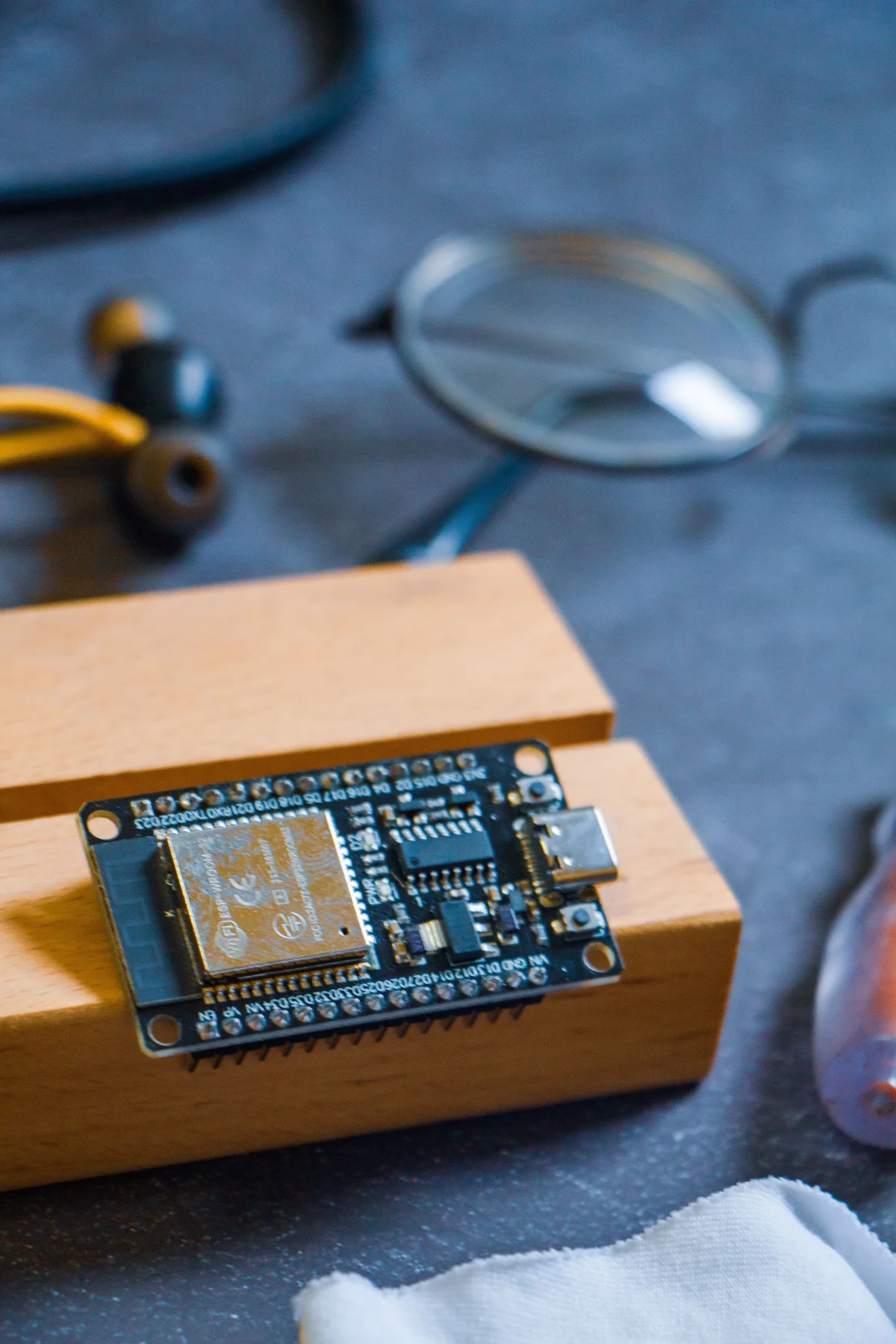
Imagine a world where your pocket-sized ESP32 microcontroller is capable of running a full graphical user interface.
An embedded systems engineer
Chapter 02
Implementing X on ESP32
A practical guide to setting up and optimizing X for your projects.
Setting Up the Environment
To get started, you’ll need to configure the ESP32 to handle the demands of the X Window System. This involves a series of steps to ensure that both the hardware and software aspects are aligned.
#include <esp_system.h>
#include <esp_x.h>

void app_main() {
    // Initialize system and X environment
    init_system();
    init_x_environment();
}

### Overcoming Challenges

Implementing X on ESP32 requires navigating several hurdles, primarily due to its limited resources. Developers must prioritize essential functions to maintain performance without overloading the system.

- **Memory Constraints**: Strategically allocate resources to avoid bottlenecks.
- **Processing Limits**: Balance graphical fidelity with processing capabilities.
- **Hardware Compatibility**: Ensure peripheral devices support the graphical output.

<StickyNarrative steps={[
  { title: "Initial Setup", body: "Configure the ESP32 environment to support X." },
  { title: "Resource Optimization", body: "Fine-tune memory and processing settings." },
  { title: "Performance Testing", body: "Conduct thorough testing to ensure stability." }
]} />

<MediaReel title="Visualization Tools" items={[
  { src: "/images/blog/x-window-system-on-the-esp32/reel-1.webp", alt: "Graphical interface example on ESP32", caption: "Graphical interface on ESP32" },
  { src: "/images/blog/x-window-system-on-the-esp32/reel-2.webp", alt: "ESP32 development board", caption: "ESP32 development board" },
  { src: "/images/blog/x-window-system-on-the-esp32/reel-3.webp", alt: "Visual display setup", caption: "Visual display setup with ESP32" }
]} />

---

<Reveal>
The potential applications of running the X Window System on an ESP32 are as vast as they are exciting. From interactive kiosks to home automation interfaces, the possibilities continue to expand as developers push the boundaries of what's possible with this modest microcontroller.
</Reveal>

<PullQuote>The future of embedded systems is bright with graphical interfaces on the horizon.</PullQuote>

<Reveal>
As we peer into the future, the integration of the X Window System with ESP32 stands as a beacon for innovation in embedded systems. It's a testament to the power of open-source development and the endless possibilities that arise when we challenge the status quo.
</Reveal>