Optane's Legacy
Optane: A Memory Dream Deferred
How promising technology met an untimely demise
Intel’s Optane was once hailed as a game-changer in the memory hierarchy, promising to revolutionize how we store and access data. But despite its potential, Optane couldn’t withstand the competitive pressures and market dynamics. Let’s explore the journey of this technology that had all the makings of a breakthrough but fell short of expectations.
Chapter 01
A Revolutionary Promise
Optane's inception was marked by ambition and innovation.
The Birth of Optane
Intel introduced Optane with the promise of bridging the gap between RAM and storage. It was a bold step, leveraging its unique 3D XPoint technology to deliver unprecedented speed and endurance. The technology aimed to offer a middle ground between volatile and non-volatile memory, capturing the best of both worlds.
Unfulfilled Potential
Despite the promising architecture, Optane faced significant hurdles. The production costs were notably high, and market adoption lagged behind. Competing memory solutions, like KV Cache, began to eclipse Optane’s capabilities, offering more cost-effective alternatives with comparable performance.
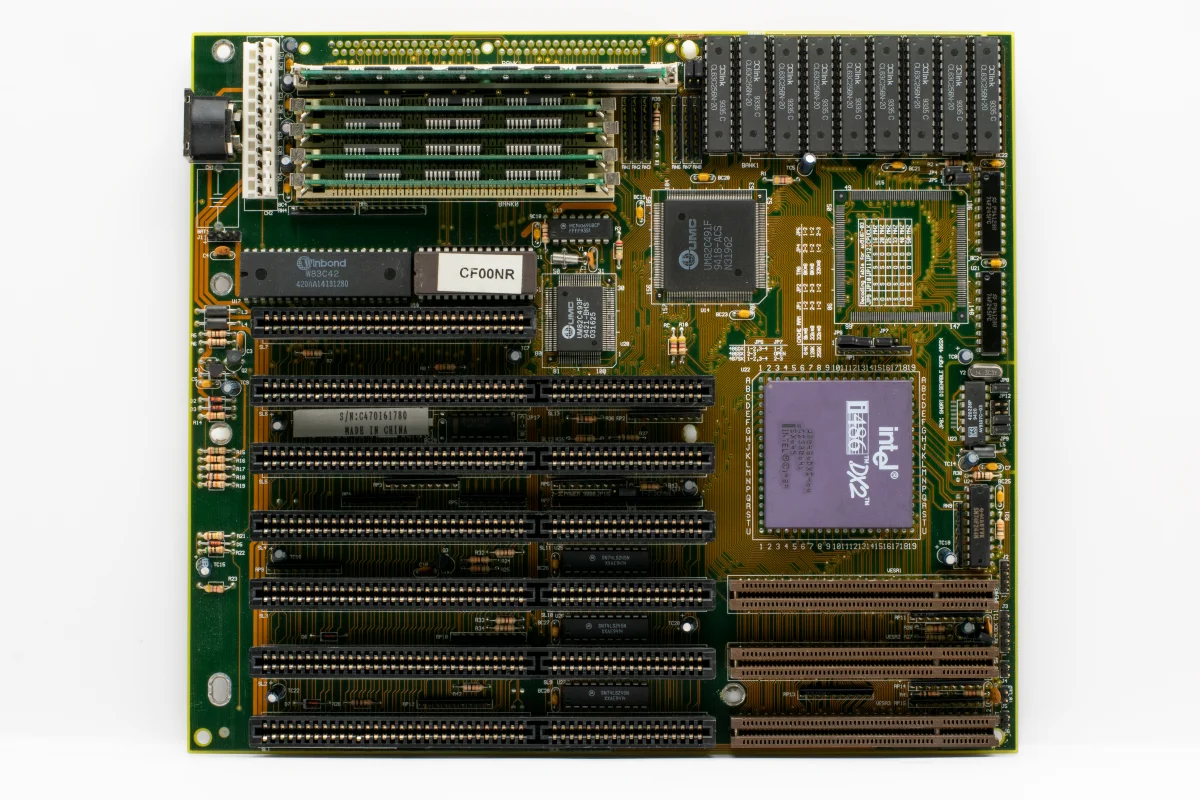
Optane's journey is a reminder of the relentless pace of technology evolution.
A memory systems analyst
Facing the Competition
KV Cache technologies emerged as formidable competitors. By optimizing data retrieval and storage, KV Cache provided efficiency in high-demand computing environments, which Optane struggled to match. The shift in market preference was swift, leaving Optane in a precarious position.
Chapter 02
The Downfall
Understanding why Optane couldn't sustain its initial momentum.
Market Dynamics
Intel’s strategy with Optane was ambitious, but market dynamics weren’t in its favor. The high production costs and limited compatibility with existing systems restricted its widespread adoption. As a result, Optane couldn’t achieve the economies of scale needed to reduce costs and enhance its market position.
The Legacy of Optane
While Optane is no longer in production, its legacy persists. The technology may have failed commercially, but it paved the way for future innovations in memory architecture. Its influence can be seen in the ongoing evolution of AI memory systems, where speed and efficiency remain paramount.
Narrative flow
Scroll through the argument
01
High Expectations
Optane was expected to revolutionize memory systems, promising faster data access and improved endurance.
02
Market Realities
Despite its potential, the high costs and competition from KV Cache technologies hindered its success.
03
A Lasting Impact
Optane's influence continues in the realm of AI memory systems, inspiring new approaches to memory architecture.
Optane's Journey
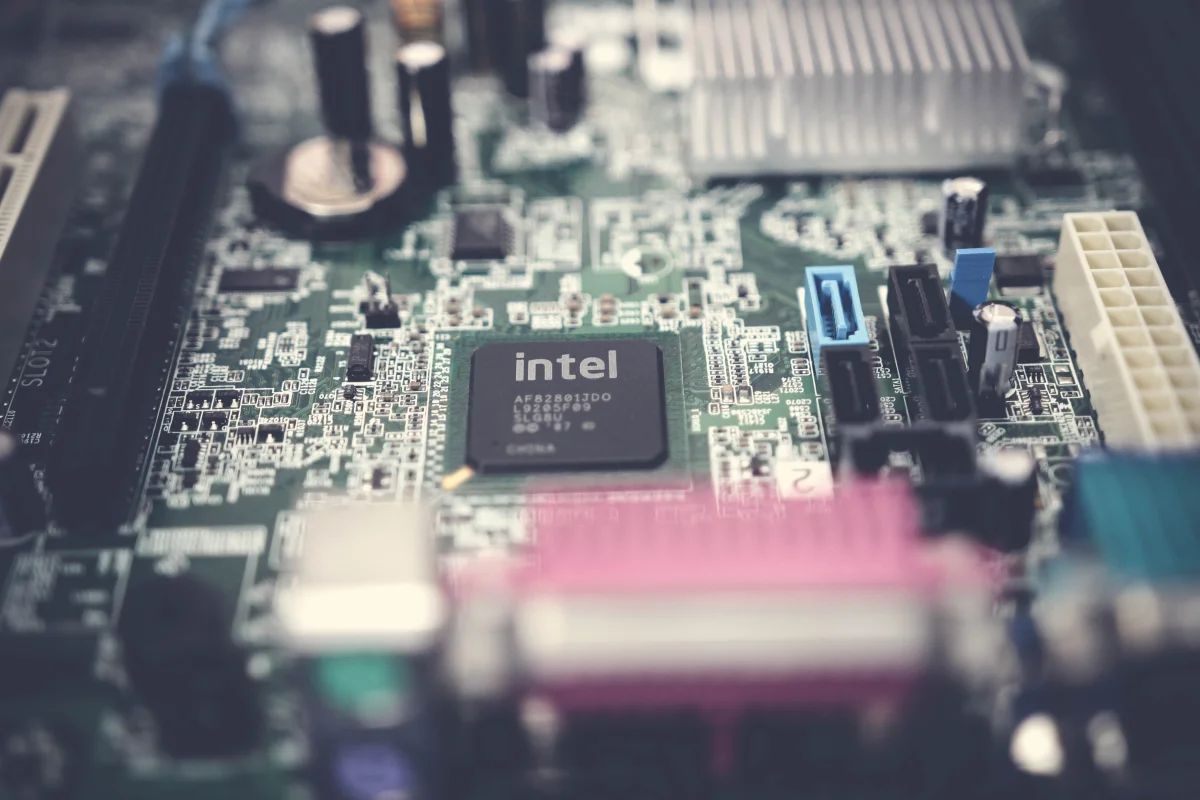
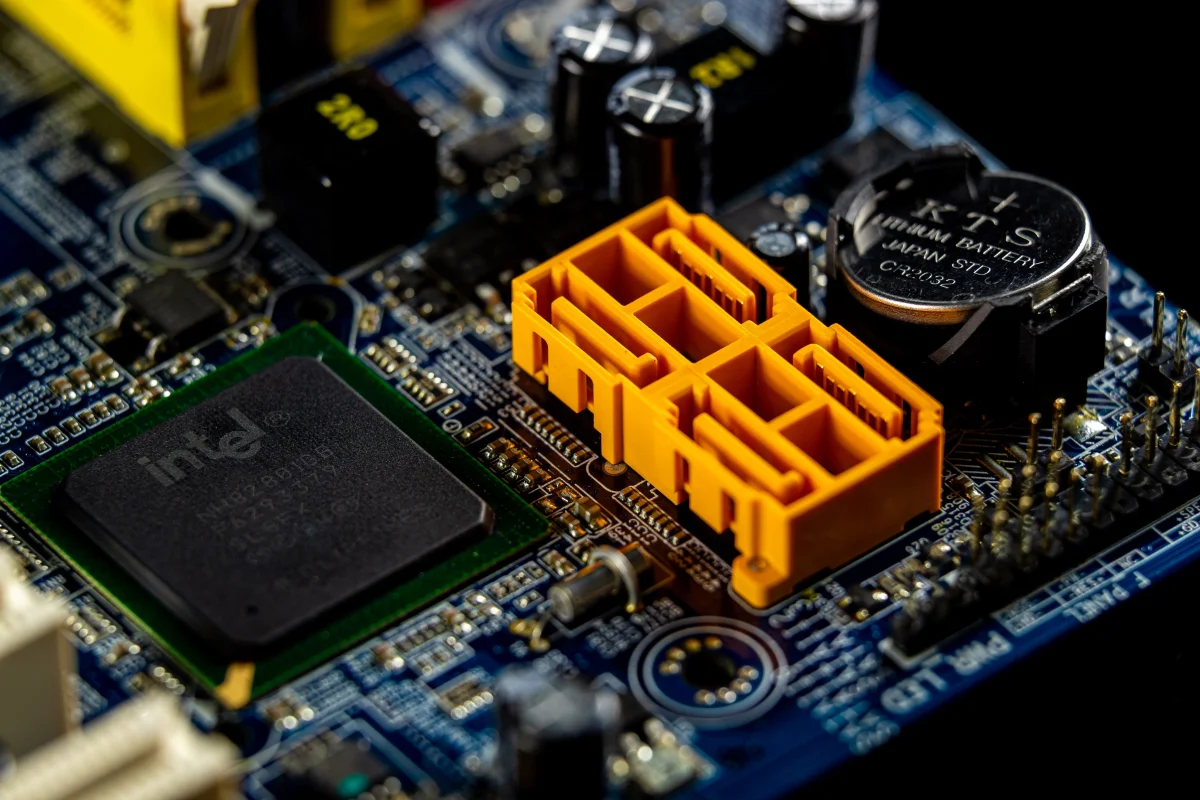
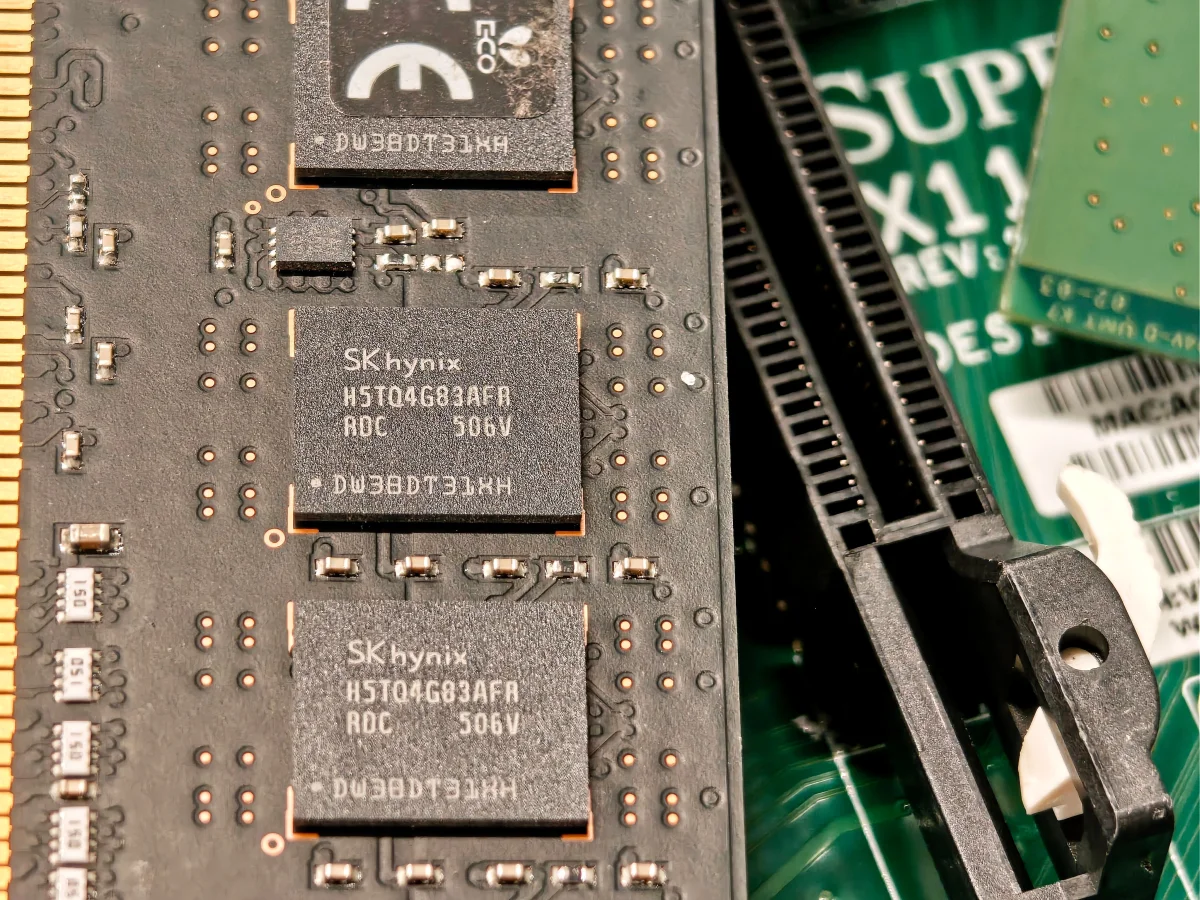
The tale of Intel’s Optane is one of ambition and innovation tempered by harsh market realities. It stands as a cautionary tale in the tech industry, illustrating that even the most promising technologies can falter without the right market conditions. Optane’s legacy, however, endures, inspiring new approaches in AI memory systems and beyond.