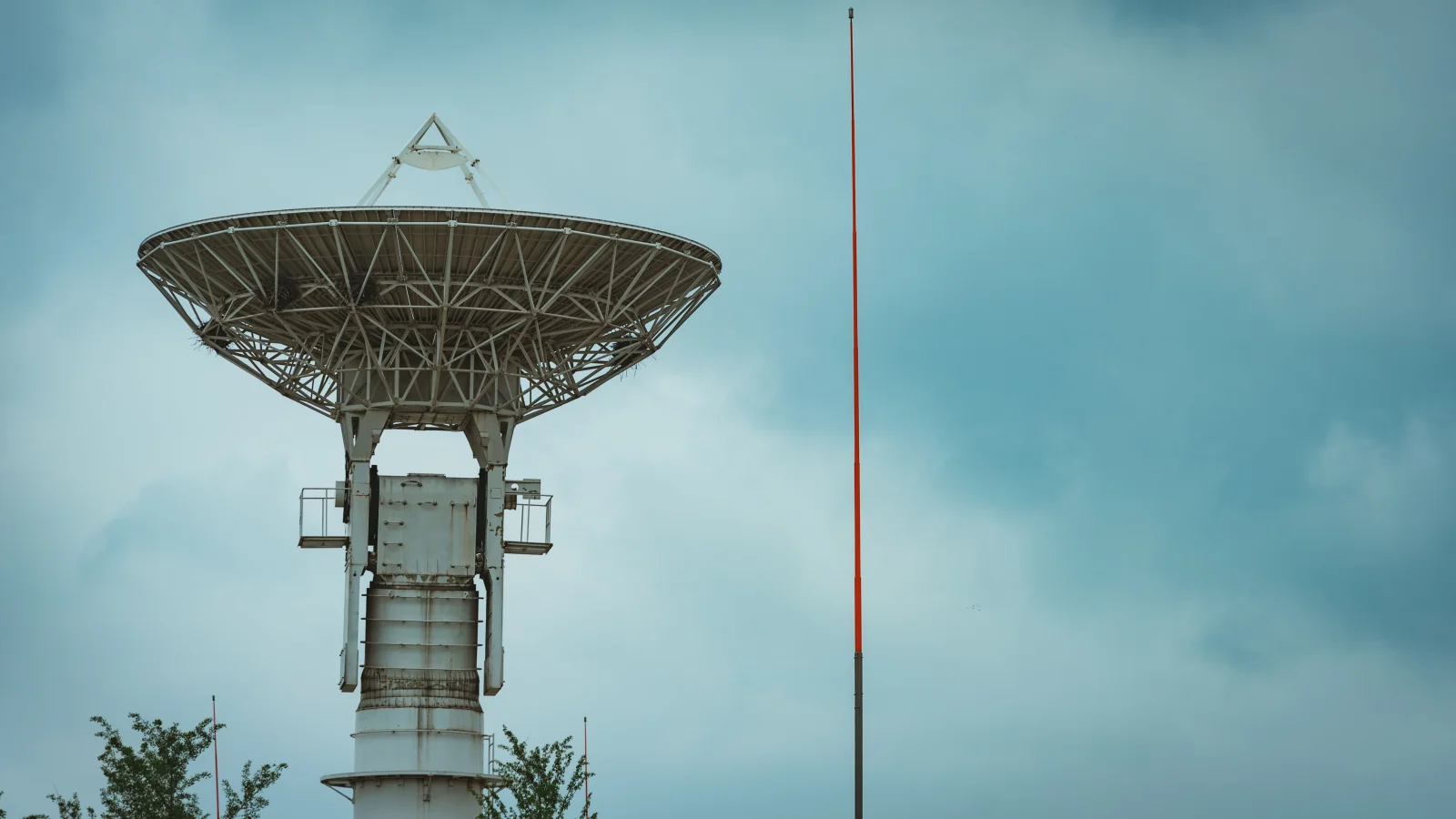
The advent of portable weather radars marks a pivotal moment in personal meteorology. These compact devices empower individuals to gather real-time meteorological data anywhere, anytime. As technology advances, combining 3D printing with AI-driven sensors offers unprecedented access to precise weather forecasting tools.
Chapter 01
The Blueprint of Innovation
Understanding the components and technology behind portable weather radars is crucial to tapping into their full potential.
The Core Components
Building a portable weather radar involves a synergy of components designed to operate in harmony. At its heart lies a compact radar module, capable of emitting and receiving radio waves to detect precipitation and atmospheric movement. Paired with advanced sensors, these modules can interpret environmental conditions with great accuracy.
- Radar Module: Emits and receives radio waves to detect weather patterns.
- Sensors: Gather data on temperature, humidity, and pressure.
- AI Integration: Enhances data processing and predictive capabilities.
- Power Source: Compact batteries ensure portability and longevity.
The Role of 3D Printing
3D printing has revolutionized the construction of these devices. By enabling precise and customizable design, it allows enthusiasts to create radar housings that are lightweight yet durable. This flexibility not only reduces costs but also encourages innovation by allowing users to iterate designs quickly.
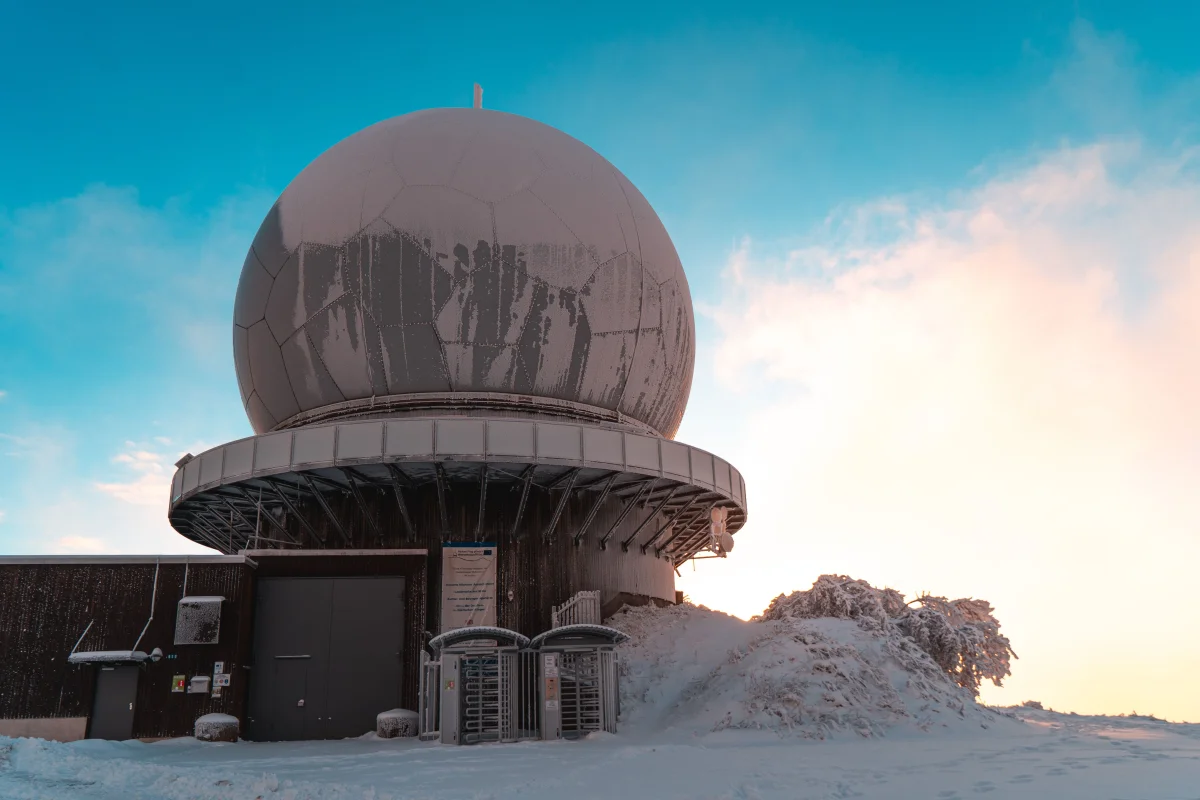
Innovation thrives where technology meets creativity.
A technology enthusiast
Chapter 02
Harnessing the Power of AI
Explore how AI transforms data collection into actionable insights.
AI’s Transformative Role
The integration of AI into portable weather radars is transformative. It enables these devices to analyze complex datasets quickly, offering insights that were once the domain of large-scale meteorological stations. AI models can predict weather changes with higher accuracy by learning from historical data patterns.
Real-World Applications
Imagine a scenario where a hiker, equipped with a portable radar, anticipates a storm’s arrival and adjusts their route accordingly. This capability extends beyond personal use; farmers, for example, can optimize irrigation schedules based on precise local forecasts, conserving resources and improving crop yields.
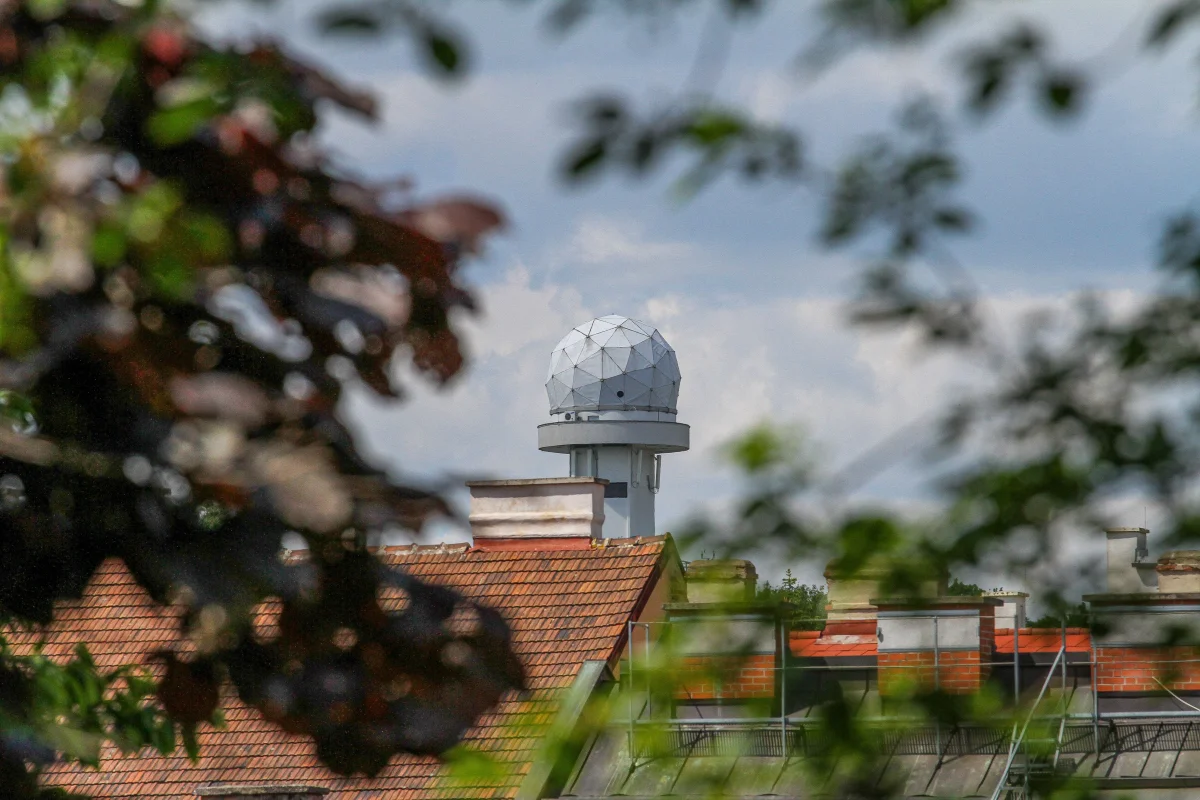
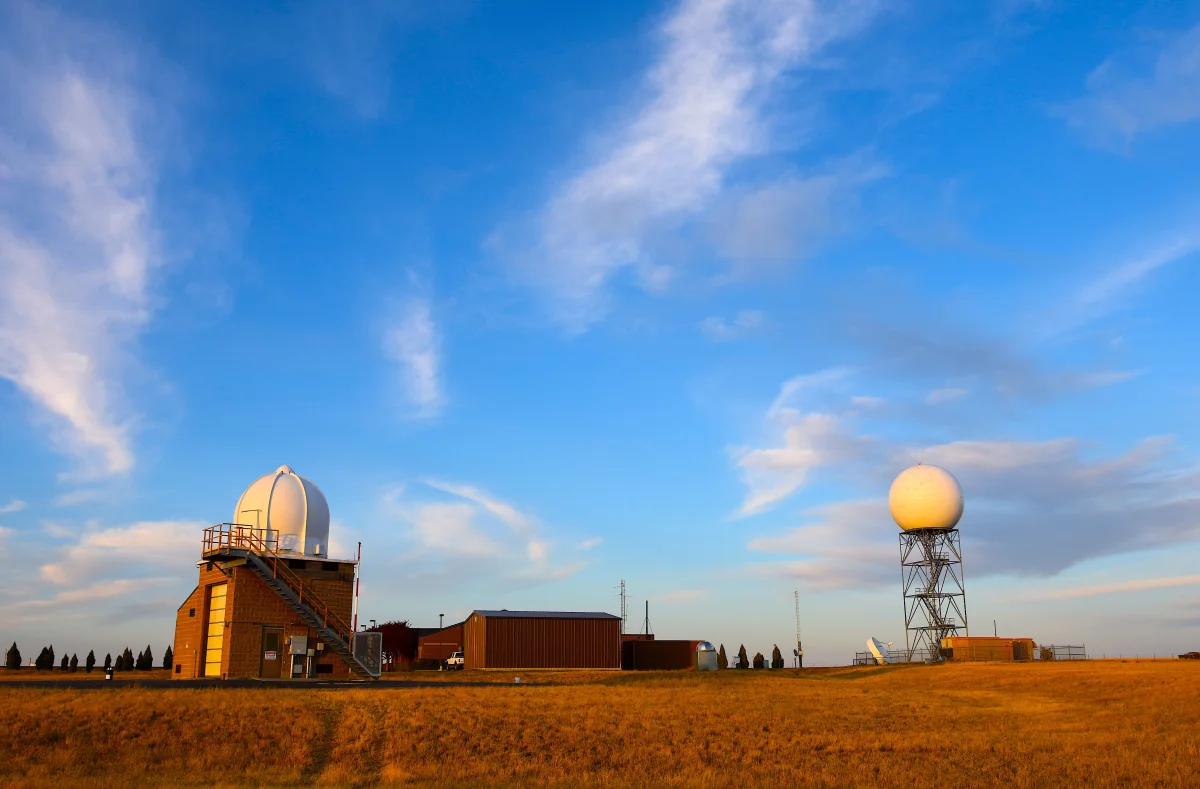
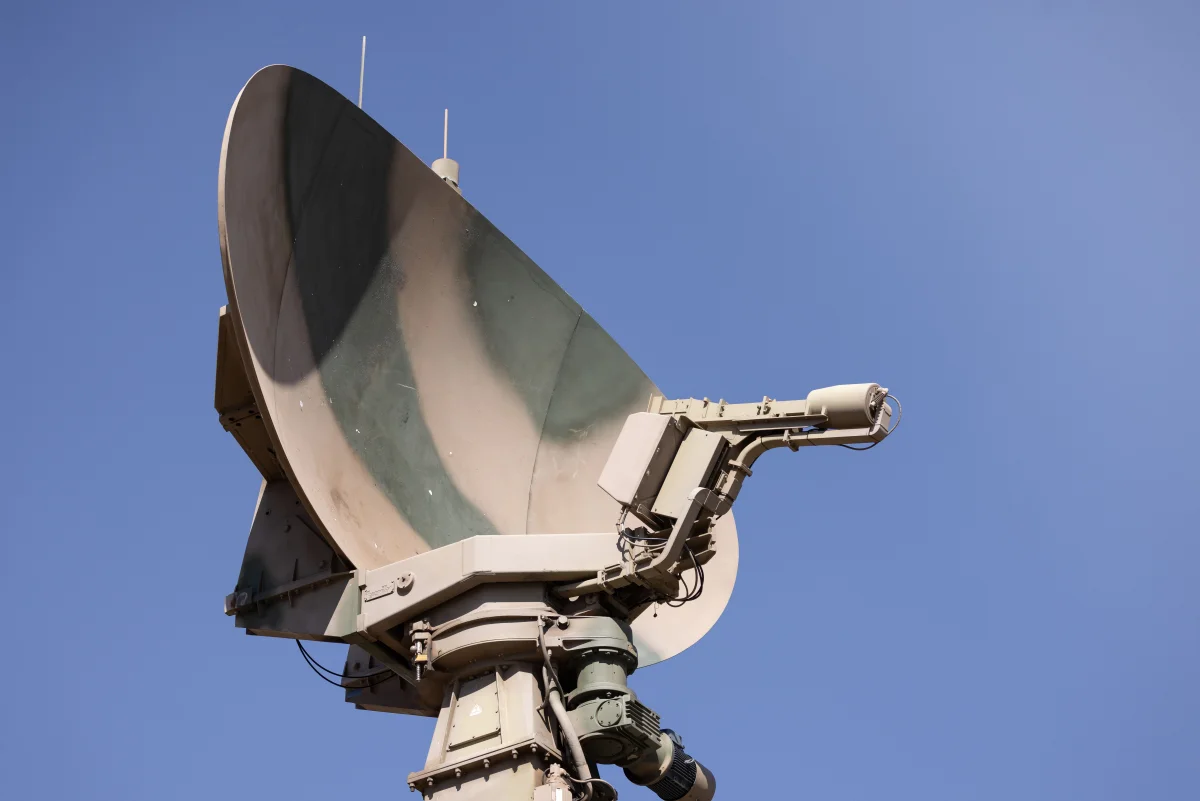
Portable Weather Radar in Action
Narrative flow
Scroll through the argument
01
Step 1: Data Collection
Portable radars collect environmental data using sensors and radar modules.
02
Step 2: AI Analysis
AI processes the data, identifying patterns and predicting weather changes.
03
Step 3: User Action
Users receive actionable insights, allowing them to make informed decisions.
The potential of portable weather radars extends beyond individual use. By offering detailed, localized data, they pave the way for smarter resource management and enhanced safety in various sectors.
In conclusion, the development of portable weather radars represents a significant leap forward in personal and professional meteorology. By leveraging advanced technologies like 3D printing and AI, these devices offer unparalleled accuracy and accessibility. As we continue to innovate, the boundaries of weather forecasting will undoubtedly expand, offering new opportunities and insights.