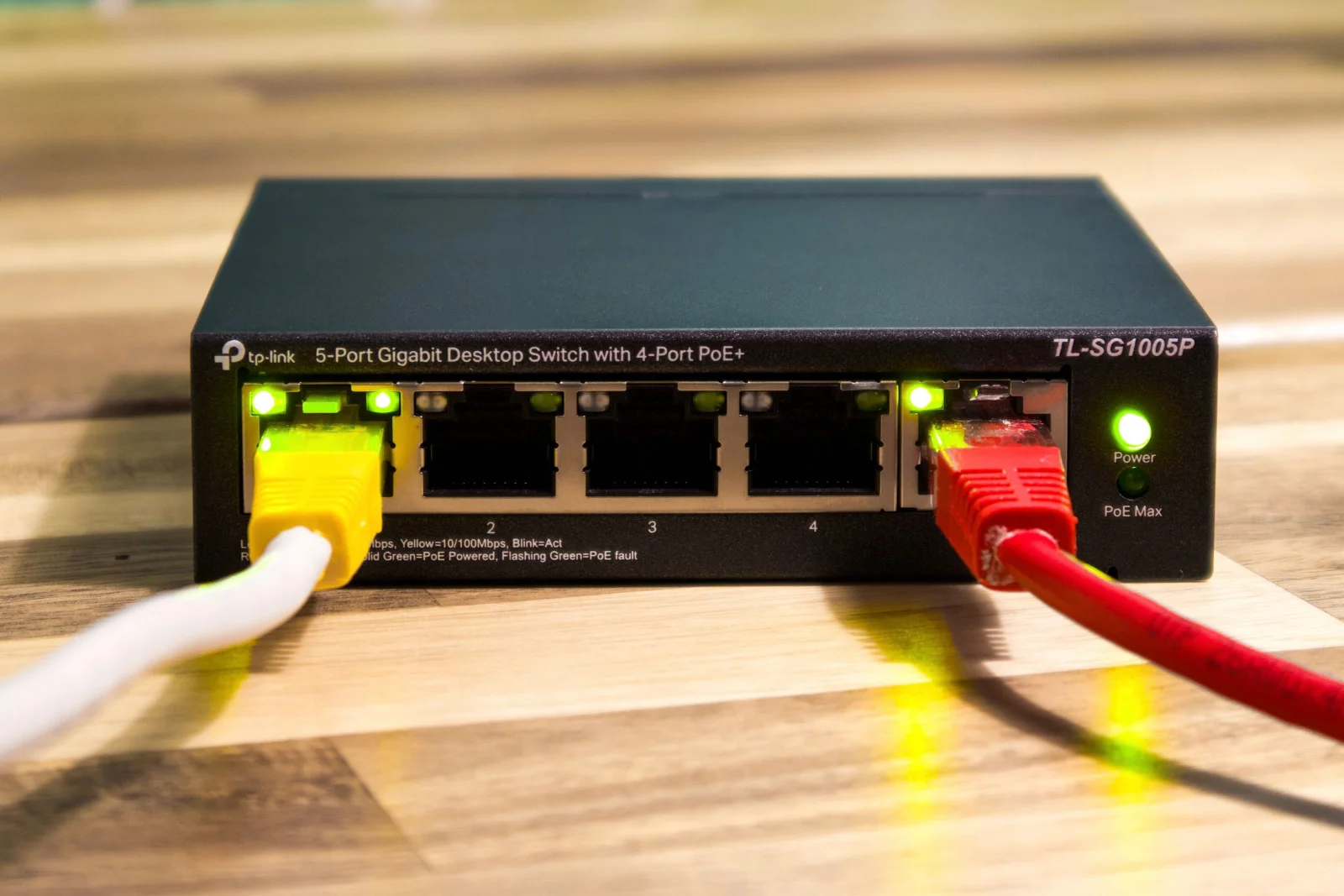
The TCP/IP protocol suite stands as a testament to the power of pragmatic engineering. Its design embodies a simplicity that belies the complexity of the global communication it facilitates. Despite the rapid evolution of technology, TCP/IP has remained relevant, quietly powering the Internet’s colossal infrastructure.
Chapter 01
The Foundation of Connectivity
Exploring the design principles that make TCP/IP the backbone of the Internet.
The Birth of TCP/IP
In the early days of digital networks, disparate systems struggled to communicate. TCP/IP (Transmission Control Protocol/Internet Protocol) emerged as a solution, prioritizing interoperability and simplicity. This protocol suite broke ground by standardizing communication, ensuring that diverse networks could connect seamlessly.
Pragmatic Design
The genius of TCP/IP lies in its pragmatic approach. TCP handles data reliability, ensuring packets are delivered correctly and in order. IP focuses on addressing and routing, directing packets to their destination. This division of labor allows TCP/IP to adapt easily to new technologies, remaining a timeless solution in an ever-changing landscape.

The TCP/IP protocol suite stands as a testament to the power of pragmatic engineering.
A network systems engineer
Chapter 02
Evolving with Technology
How TCP/IP has adapted and thrived amidst rapid technological advancements.
Staying Relevant
While many protocols have come and gone, TCP/IP’s adaptability has ensured its longevity. Its modular design allows for incremental upgrades, integrating new features without disrupting existing systems. This adaptability has kept it at the core of network innovation.
Narrative flow
Scroll through the argument
01
Modular Architecture
TCP/IP's modular design allows it to incorporate new technologies without overhaul.
02
Incremental Updates
New features are added progressively, ensuring compatibility and stability.
03
Global Standardization
Its widespread adoption ensures a consistent standard across the globe.
The Future of TCP/IP
As the Internet continues to evolve, TCP/IP remains a critical component. Its principles of simplicity and reliability make it well-suited to address future challenges, from increased data demands to emerging technologies like IPv6. The protocol’s enduring relevance is a testament to its robust design.
Visualizing TCP/IP's Impact



In an era of fast-paced technological change, the pragmatic brilliance of TCP/IP continues to underpin our digital world. Its adaptability and simplicity have not only ensured its survival but have made it an enduring pillar of Internet functionality. As we move forward, TCP/IP will undoubtedly remain a guiding force in network evolution.