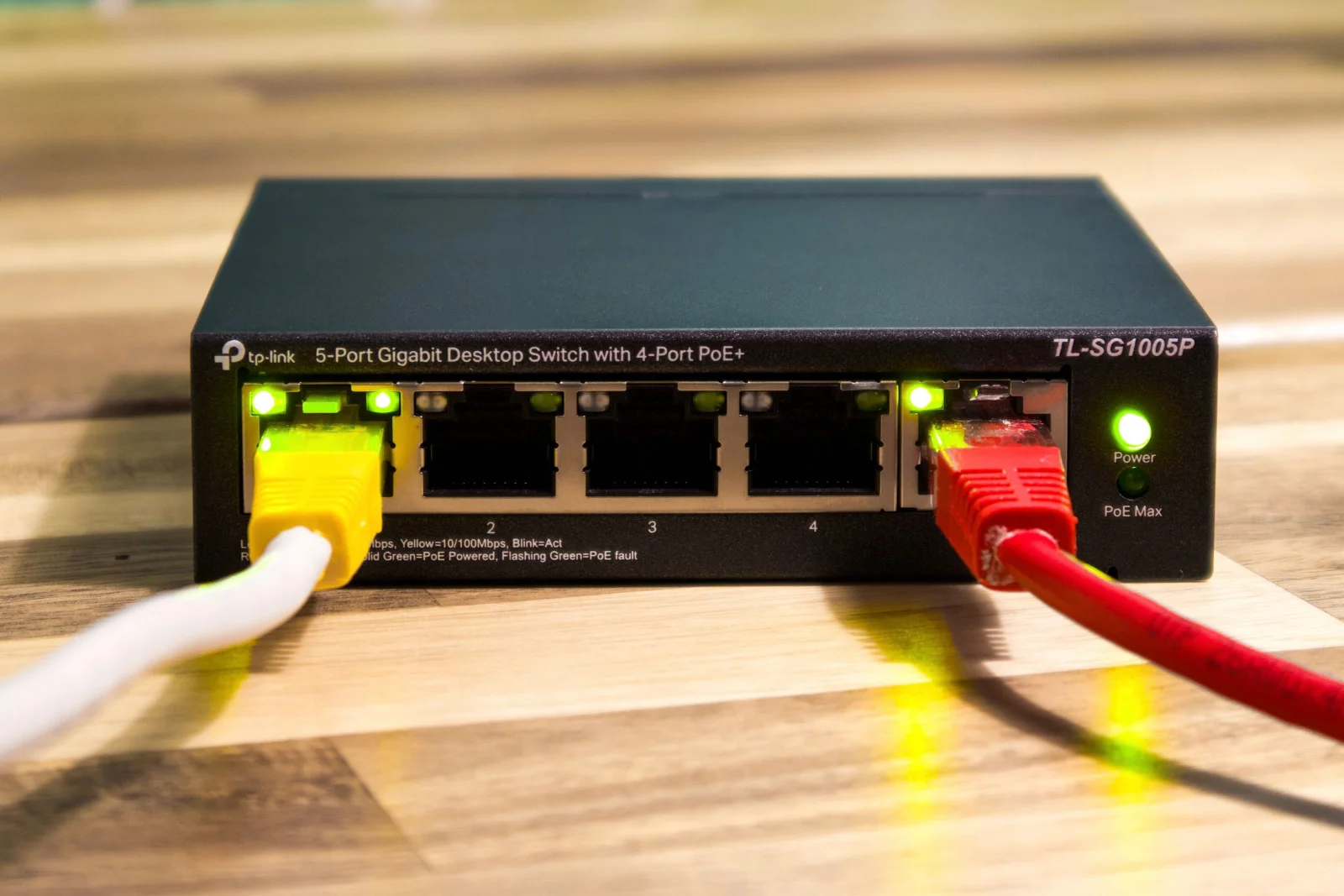
Reviving the PoE++ feature on your Ubiquiti switch can significantly enhance your network’s capability by ensuring reliable power delivery to connected devices. Whether you’re powering IP cameras, VoIP phones, or other network devices, understanding how to properly configure and troubleshoot your switch is crucial.
Chapter 01
Understanding PoE Basics
Before diving into the configuration, it's essential to grasp the fundamentals of Power over Ethernet (PoE) and its classes.
The Importance of PoE
Power over Ethernet (PoE) is a technology that passes electrical power along with data on Ethernet cabling. This allows devices to be powered without the need for additional power supplies.
- Class 0: Up to 15.4W, default for most PoE devices.
- Class 1-4: Ranging from 4W to 30W, these classes support various network devices with different power needs.
PoE++ and Its Advantages
PoE++ extends the capabilities of standard PoE by increasing the available power to 60W or even 100W per port, ideal for more demanding devices. This technology is crucial for environments requiring high-powered devices, ensuring seamless operation without additional wiring.

Reviving the PoE++ feature on your Ubiquiti switch can significantly enhance your network's capability by ensuring reliable power delivery to connected devices.
A network engineer
Chapter 02
Configuring Your Ubiquiti Switch
Successfully reviving PoE++ involves strategic configuration and potential firmware updates.
Setting Up PoE++
To enable PoE++ on your Ubiquiti switch, you need to access the switch’s management interface. Here’s a step-by-step guide:
Narrative flow
Scroll through the argument
01
Access Management Interface
Use your browser to log into the Ubiquiti switch management interface. Ensure you have administrative privileges to make necessary changes.
02
Enable PoE++
Navigate to the PoE settings and enable PoE++ for the required ports. This may involve selecting the appropriate power class for each device.
03
Firmware Update
Ensure your switch's firmware is up-to-date. Check the Ubiquiti support site for the latest updates to enhance compatibility and performance.
Troubleshooting Common Issues
Even with proper setup, issues may arise. Here are some common problems and their solutions:
- Device Not Powering: Verify the PoE class and ensure the port is configured for adequate power output.
- Intermittent Power Loss: Inspect the cabling and connectors for damage and ensure the switch’s power supply is stable.
- Firmware Incompatibility: Revert to a previous stable firmware version if new updates cause issues.
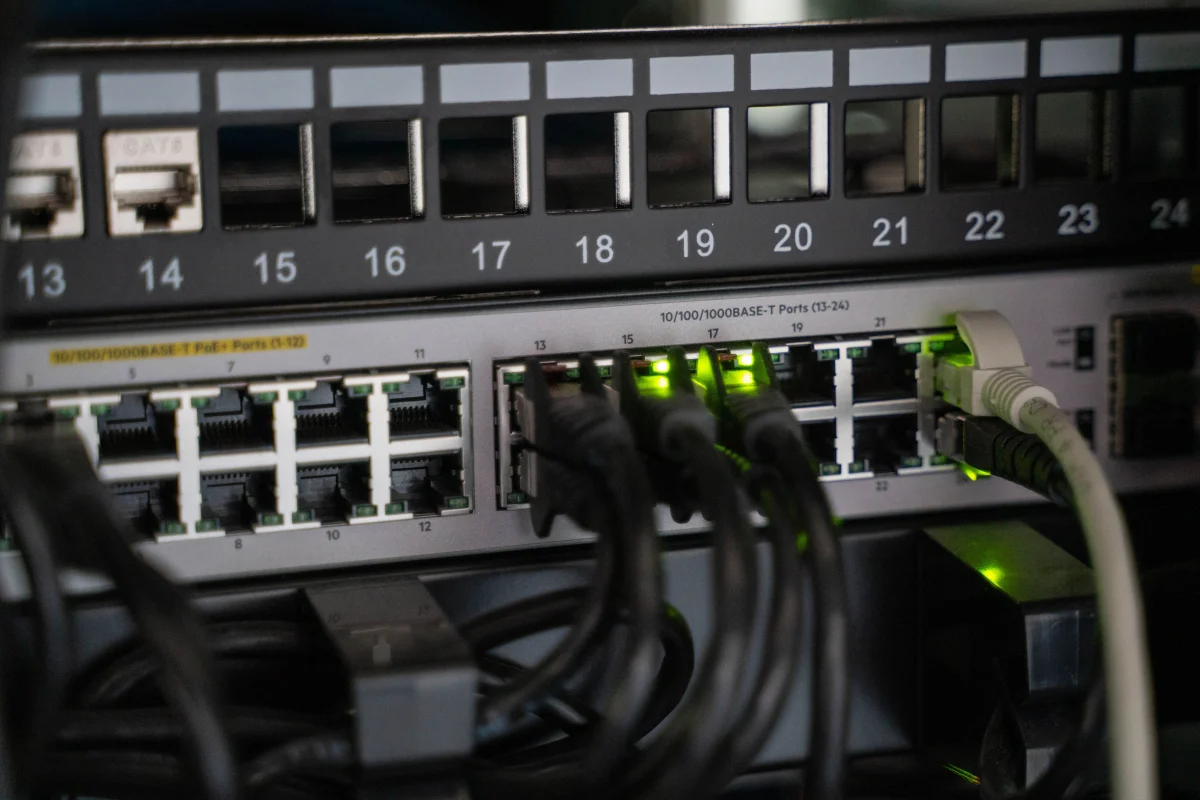
Ubiquiti PoE Setup Process

Chapter 03
Optimizing Network Performance
Beyond configuration, optimizing your network for PoE++ involves strategic planning and regular maintenance.
Balancing Power and Performance
Balancing power distribution across network devices ensures efficient operation. Considerations include:
- Power Budgeting: Calculate total power requirements and ensure the switch can support all connected devices.
- Regular Monitoring: Use network management tools to monitor device power consumption and switch status.
By understanding the nuances of PoE++ on Ubiquiti switches, network administrators can ensure robust performance and reliability. Regular updates and strategic configurations are key to maximizing the benefits of PoE technology in modern networks.
Effective management and configuration of PoE++ on Ubiquiti switches lead to enhanced network reliability and efficiency. Whether you’re managing a small office or a large enterprise, understanding these principles ensures your network remains resilient and adaptable.