Mapping the northern sky is a journey through both time and space, a blend of ancient lore and cutting-edge science. As we stand under a canopy of stars, the stories they tell are as much about human curiosity as they are about the cosmos itself. This guide will navigate you through the stars, from historical constellations to modern astrophysical phenomena.
Chapter 01
The Celestial Canvas
Understanding the sky's vast tapestry begins with the constellations that have guided humanity for centuries.
The Role of Constellations
Constellations have been mankind’s celestial guides for millennia. These patterns in the sky serve as both navigational tools and cultural touchstones. From the Ursa Major, easily recognized by its Big Dipper asterism, to the myth-laden Orion, these star formations are not just points of light but stories woven into the night.
Ancient Wisdom Meets Modern Tools
Today, technology enhances our stargazing experience. While ancient astronomers relied on their eyes and rudimentary tools, modern enthusiasts have access to telescopes and software that bring celestial objects into sharper focus. This blend of old and new allows us to appreciate the sky in unprecedented ways.
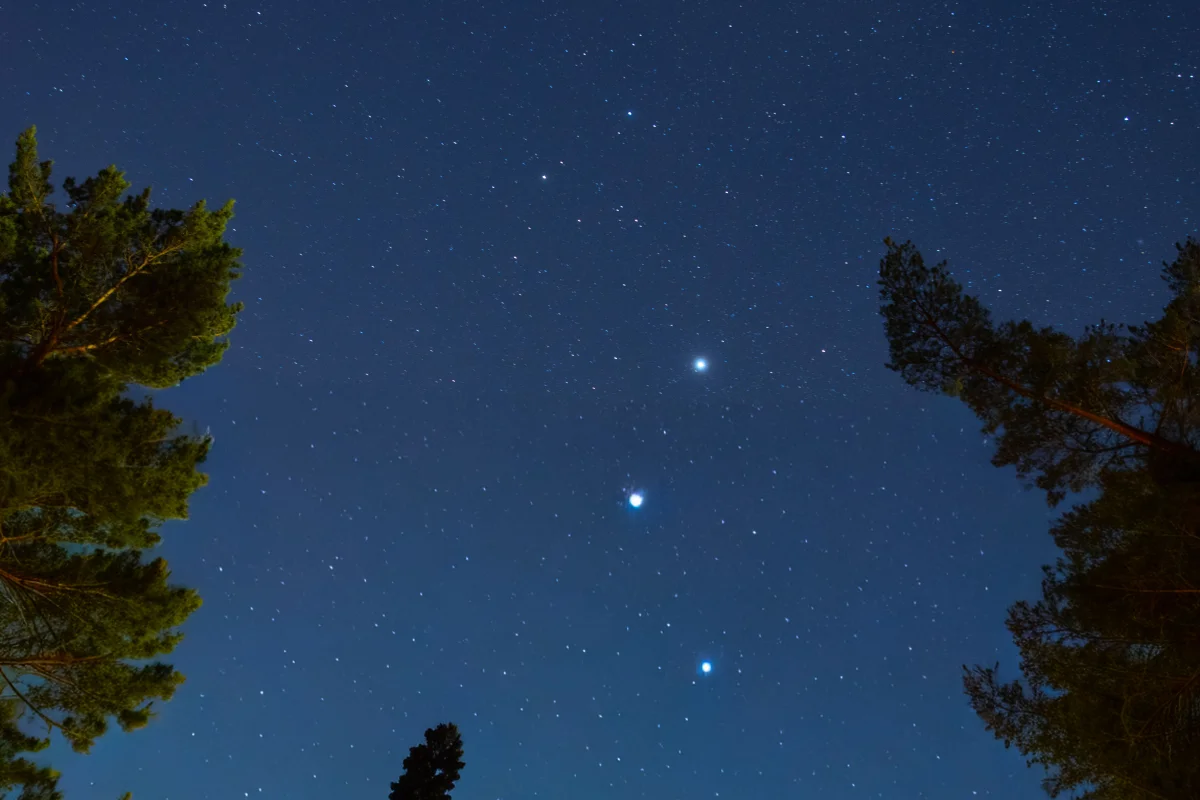
Constellations have been mankind's celestial guides for millennia.
A celestial cartographer
Chapter 02
Modern Mapping Techniques
With advancements in technology, charting the northern sky has become more precise and accessible than ever.
Tools of the Trade
Mapping the northern sky today involves sophisticated tools. Telescopes are essential for observing distant galaxies and nebulae, while astrophotography captures the breathtaking beauty of the cosmos. Additionally, star mapping software allows for detailed charts and simulations, making celestial navigation accessible to anyone with a computer.
The Digital Revolution
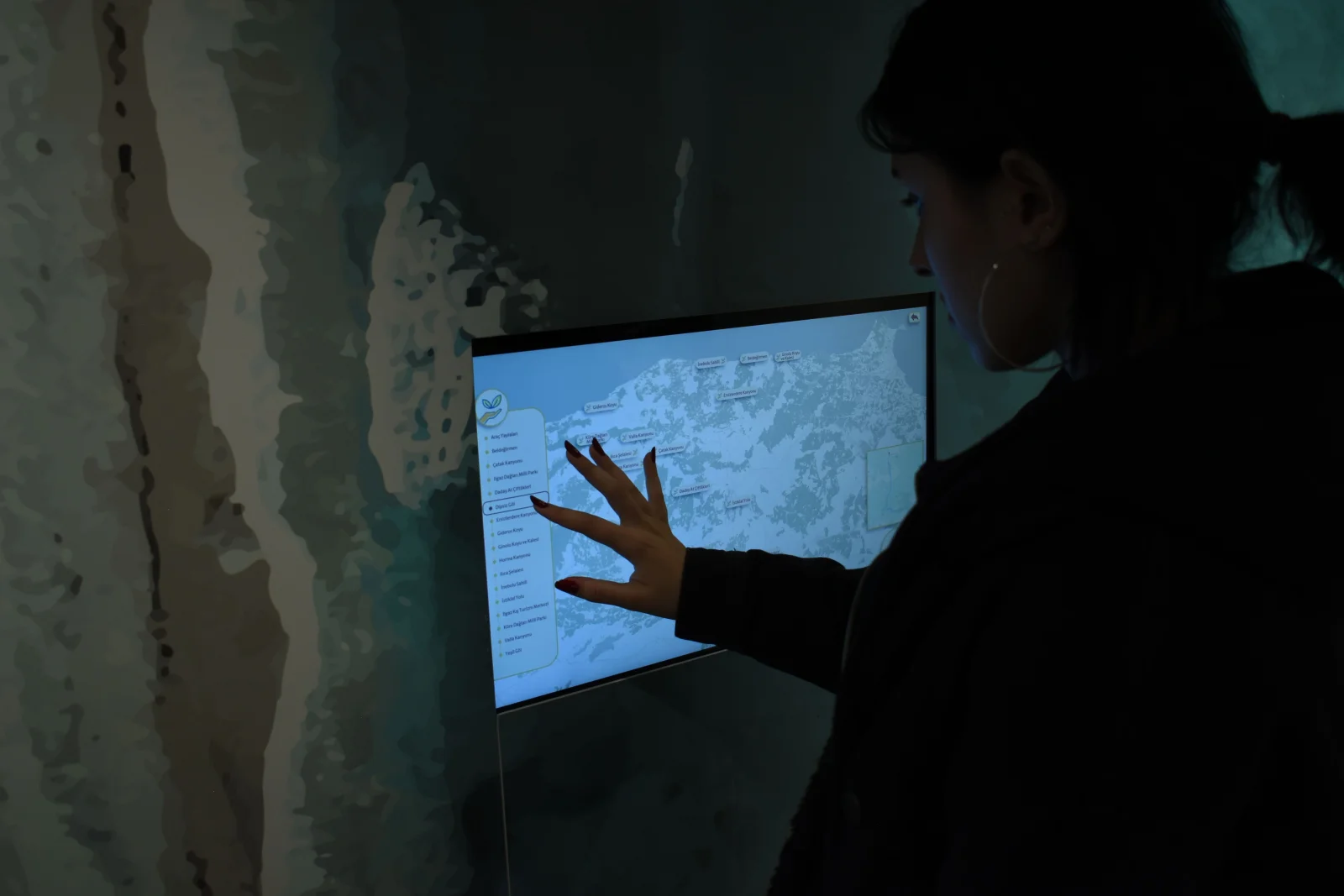
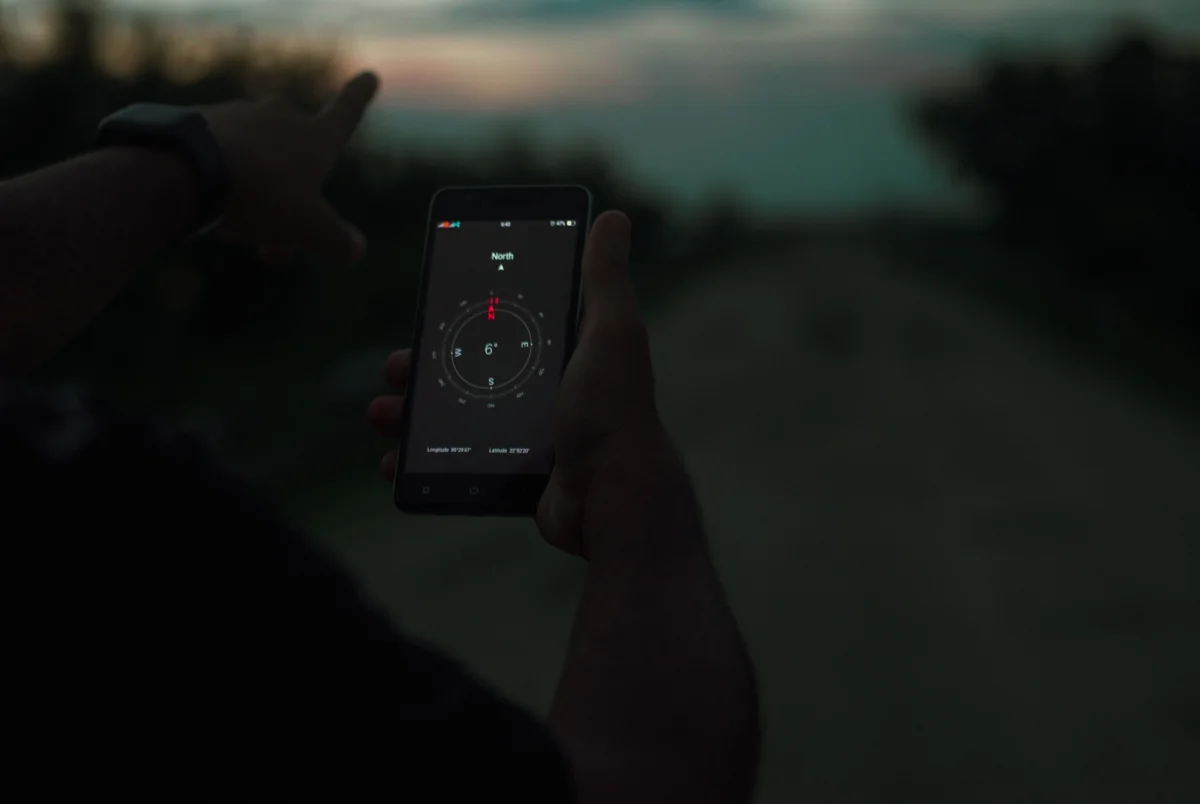
The digital age has transformed how we interact with the stars. Mobile apps and online platforms provide real-time data and star maps at the touch of a button. These tools are invaluable for both amateur stargazers and professional astronomers, democratizing access to the vast universe above.
Narrative flow
Scroll through the argument
01
Step 1
Identify key constellations using a star app.
02
Step 2
Use a telescope to focus on celestial objects of interest.
03
Step 3
Capture the night sky with astrophotography techniques.
Northern Sky Wonders
Chapter 03
The Future of Celestial Exploration
As technology continues to evolve, so too does our capacity to explore and understand the cosmos.
The Road Ahead
The future of celestial exploration is bright. With advances in artificial intelligence and machine learning, we are beginning to predict and model celestial events with greater accuracy. This not only enhances our understanding of the cosmos but also prepares us to address challenges like space debris and satellite traffic.
Challenges and Opportunities
While the potential for discovery is vast, the journey is not without its challenges. Light pollution and climate change threaten our ability to observe the stars, while the growing number of satellites complicates our view of the sky. Yet, with these challenges come opportunities for innovation and collaboration.
As we continue to map the northern sky, we are not just charting stars and galaxies; we are charting the course of humanity’s enduring quest for knowledge. The night sky remains a source of inspiration and discovery, inviting each of us to look up and wonder.