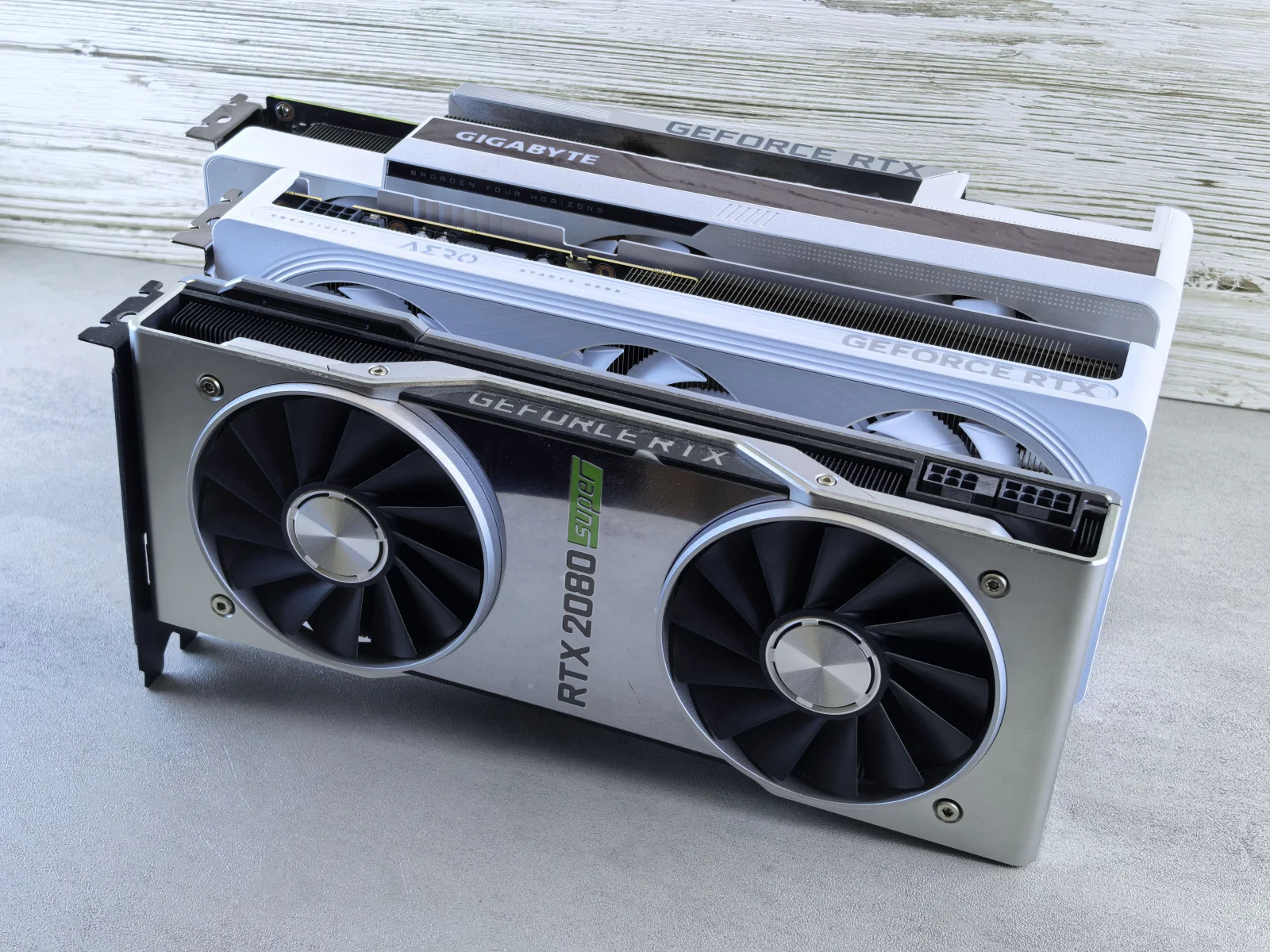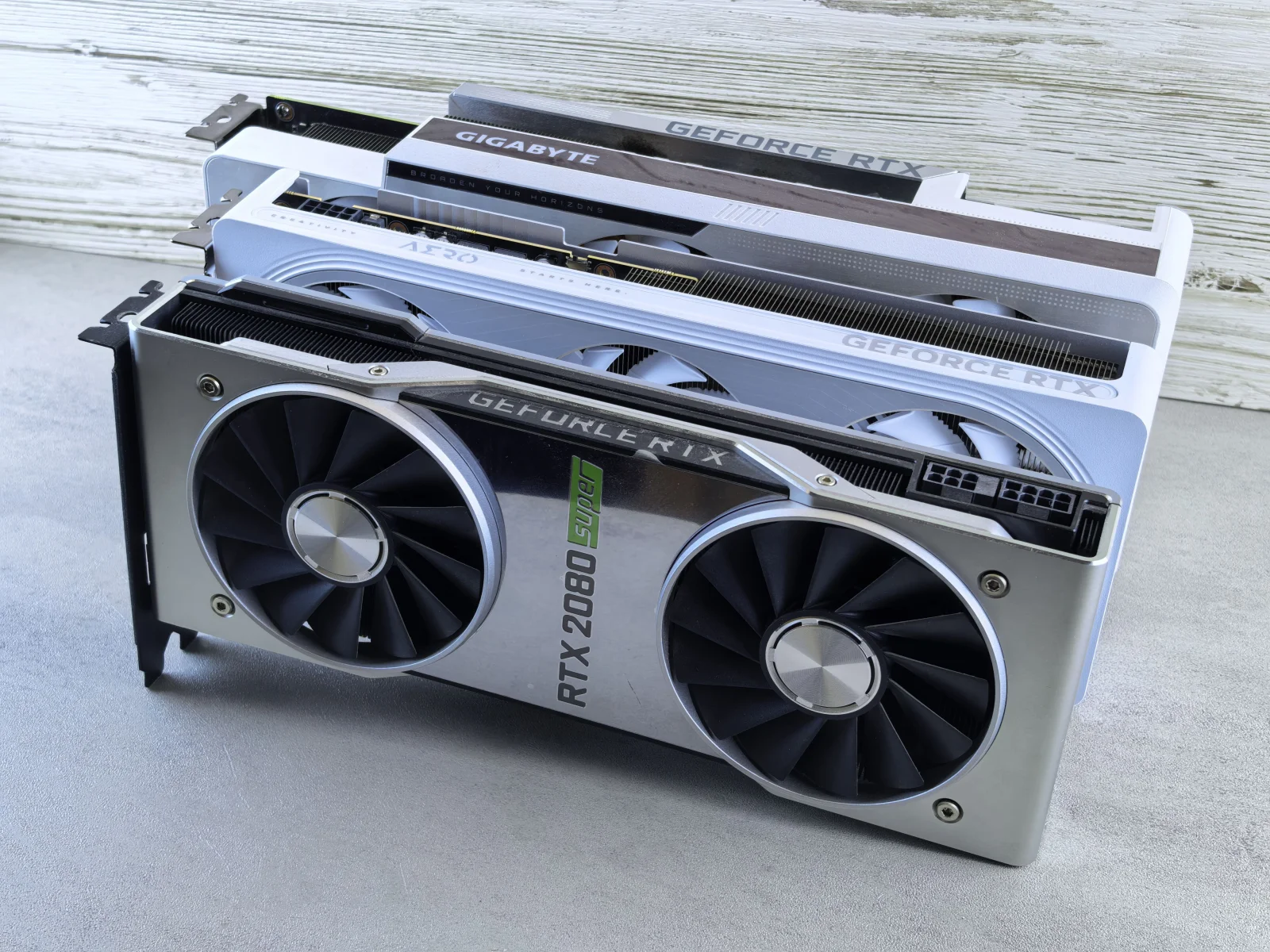
Nvidia’s new pricing strategy has sparked significant discussion among industry analysts and gamers alike. By employing circular financing, Nvidia aims to create a more stable market for GPUs, balancing the delicate supply-demand equation that has plagued tech enthusiasts for years.
Chapter 01
The Mechanics of Circular Financing
Understanding the financial architecture behind Nvidia's innovative approach.
The Core Concept
Nvidia’s circular financing revolves around leveraging existing financial assets to stabilize pricing structures. This method involves recycling funds from various streams, such as data center sales and enterprise solutions, back into the consumer market. By doing so, Nvidia hopes to mitigate the price volatility that has long been a staple of the GPU market.
Impact on Gamers
For gamers, this approach could mean more consistent pricing and availability. Supply chain disruptions and unexpected spikes in demand have historically led to erratic GPU prices. With circular financing, Nvidia intends to smooth these fluctuations, offering gamers a more predictable purchasing experience.
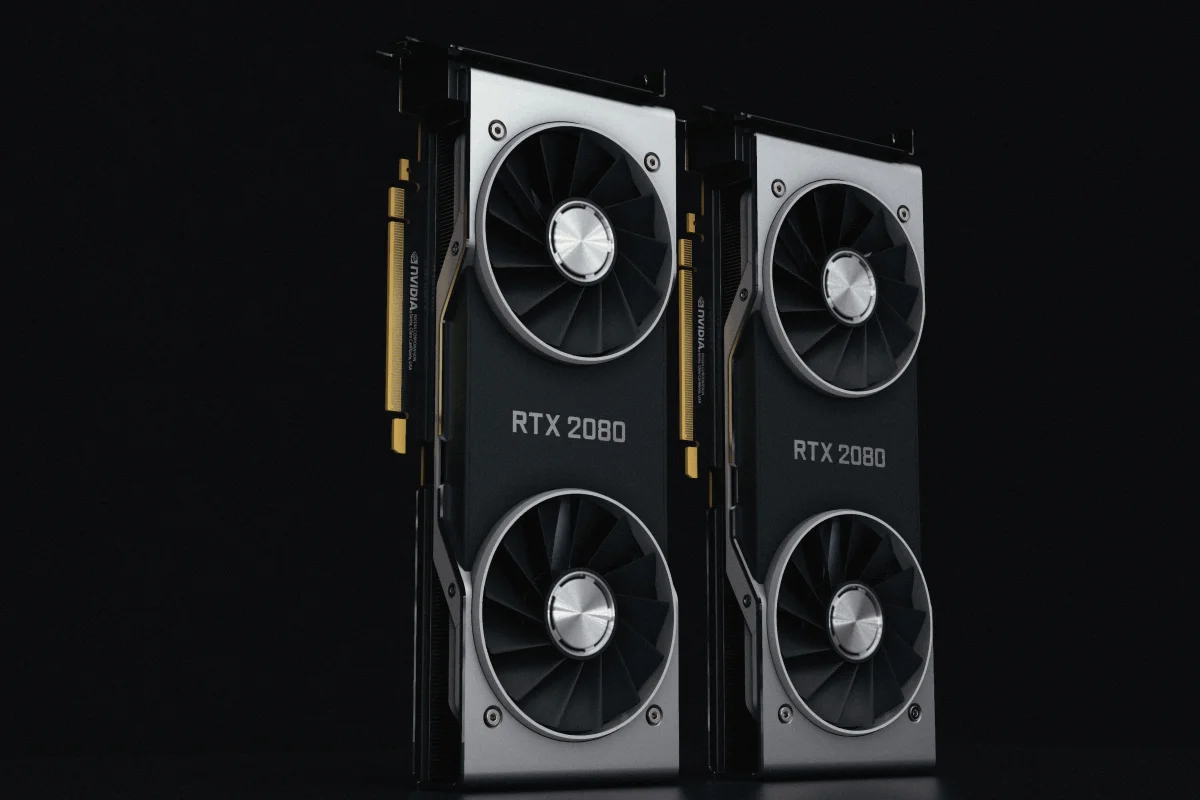
Nvidia's new pricing strategy has sparked significant discussion among industry analysts and gamers alike.
An industry analyst
Data Centers and Enterprises
While gamers are a significant focus, circular financing also serves Nvidia’s larger client base—data centers and enterprises. These sectors benefit from a steady GPU supply, allowing them to plan long-term infrastructure investments without fear of sudden cost increases.
Chapter 02
Market Implications and Trade-offs
Exploring the broader market effects and potential downsides of Nvidia's strategy.
Balancing Act
The strategy presents a challenging balancing act. On one hand, stable pricing supports market growth; on the other, it risks becoming a double-edged sword if not managed carefully. Over-reliance on recycled financing could lead to shortfalls in innovation and development budgets, potentially stalling technological advancements.
Narrative flow
Scroll through the argument
01
Asset Recycling
Nvidia reallocates funds from enterprise sales to consumer markets.
02
Price Stabilization
The goal is to create consistent pricing across all sectors.
03
Long-term Sustainability
Questions remain about the longevity of this model.
The Sustainability Question
Critics argue that while circular financing may provide immediate relief, it could hinder long-term growth. Continuous innovation requires substantial investment, and diverting funds might compromise Nvidia’s ability to push boundaries in GPU technology.
Visualizing Nvidia's Strategy

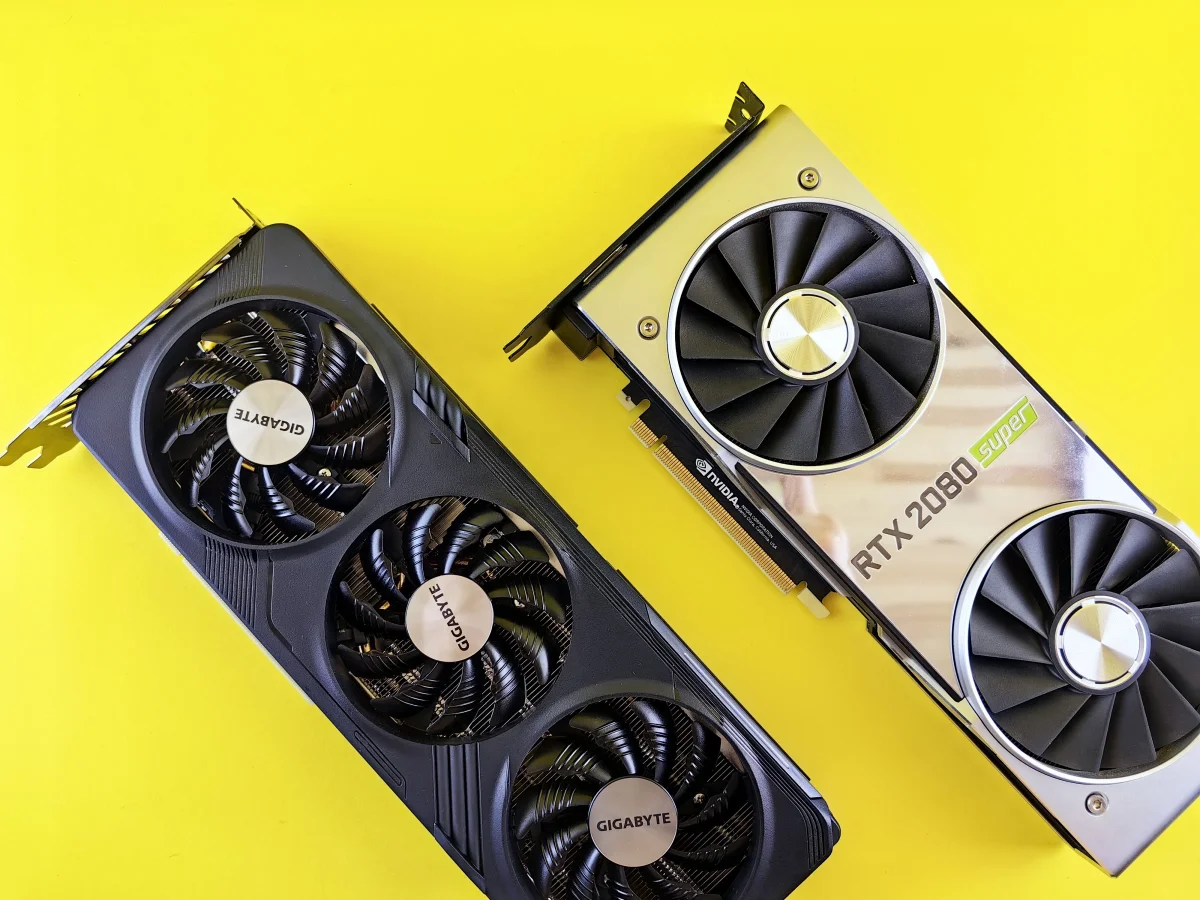
The shift to circular financing marks a significant evolution in Nvidia’s approach to GPU pricing, with potential benefits for both consumers and the broader tech industry. However, as with any strategy, its success hinges on execution and adaptability in a rapidly changing market landscape.
As the tech world watches closely, Nvidia’s actions could set a precedent for other companies grappling with similar challenges. Whether this strategy will serve as a blueprint for future financial models in the tech sector remains to be seen. The industry is poised on the brink of a new era in GPU pricing, where stability and innovation must find a delicate balance.