Deep Dive
A Tough Road Ahead for Intel Arc
Exploring the hurdles facing Intel's new graphics division
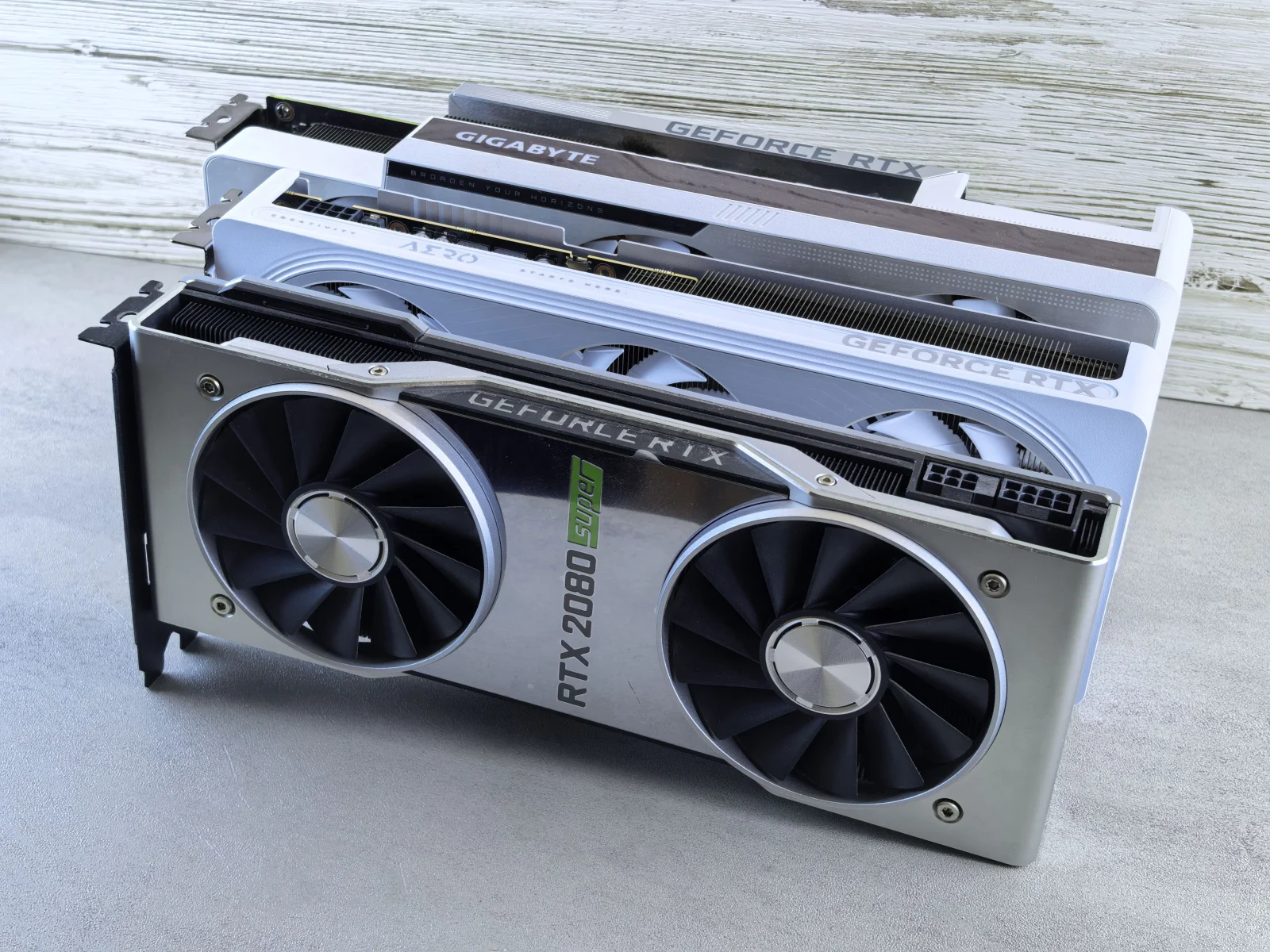
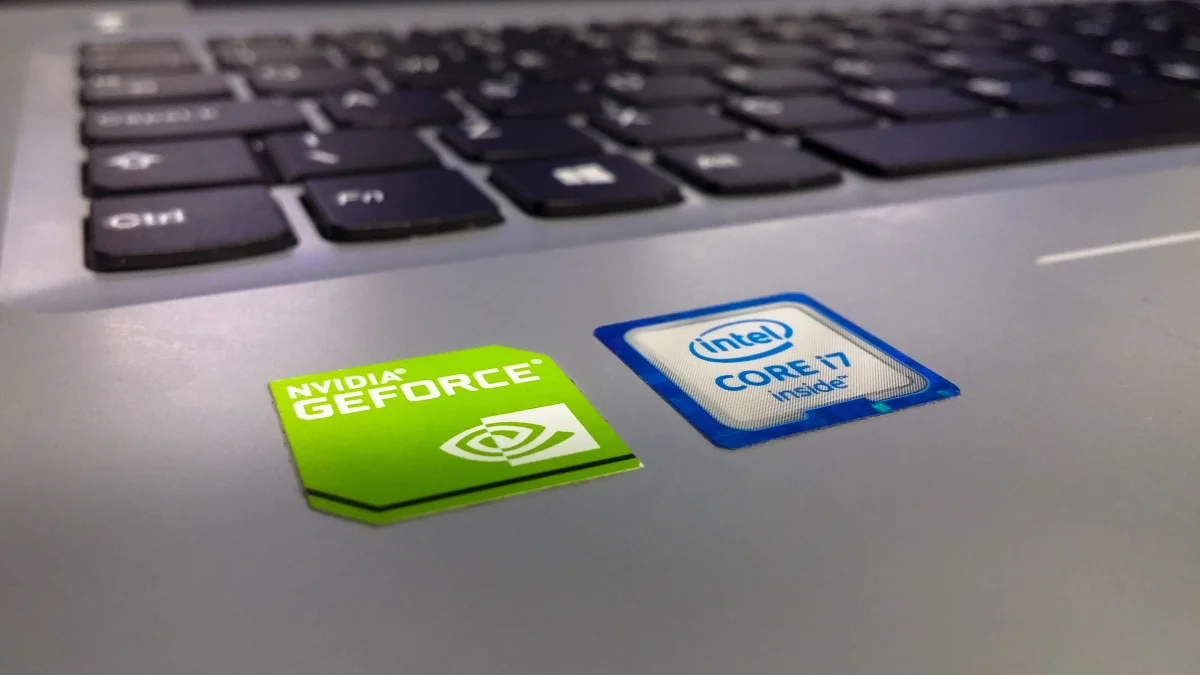
Intel Arc has entered a battlefield governed by NVIDIA and AMD. Although competition often spurs innovation, Intel’s entry into the GPU market comes with significant challenges due to its timing. A lack of a comprehensive software ecosystem and strategic missteps puts its aim for a sizable market share in jeopardy.
Chapter 01
The Competitive Landscape
Intel's foray into GPUs is marked by intense rivalry from established giants.
The Reign of NVIDIA and AMD
Both NVIDIA and AMD have cemented their place in the market, supported by loyal users and well-developed ecosystems. Intel Arc’s entry presents a daunting task against these companies, which have honed their technology over many years. Intel mustn’t only match their level of performance but also introduce something distinctly different.
Navigating the Software Challenge
Intel Arc finds itself at a disadvantage due to an immature software ecosystem. Both developers and gamers usually look for stability and compatibility, areas where NVIDIA’s CUDA and AMD’s Radeon Software have excelled. Intel needs to create a robust ecosystem that supports high performance and integrates smoothly into the existing landscape.
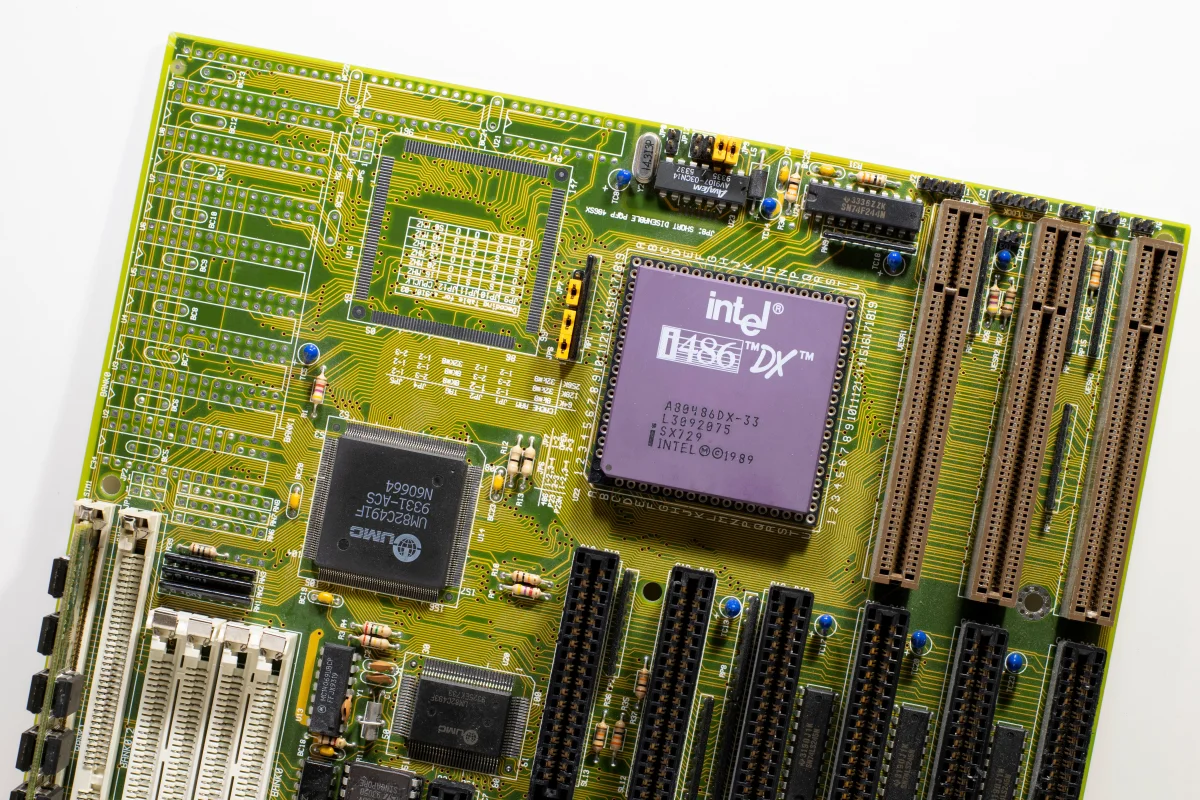
Intel Arc has entered a battlefield governed by NVIDIA and AMD.
A tech market strategist
Chapter 02
Strategic Missteps
Intel's approach to pricing and market positioning could hinder its progress.
Questioning the Pricing Strategy
Intel’s pricing decisions have sparked plenty of questions. Positioned neither as an economical choice nor a high-end luxury, Arc risks being perceived as a costly experiment, not a legitimate alternative. Consumers tend to evaluate the relationship between price and perceived value, so Intel needs to clearly communicate its worth to avoid niche status.
Intel Arc in Context
Finding a Place in the Market
Intel Arc’s market positioning seems somewhat ambiguous. Without a defined audience or unique attributes, Arc could easily be overshadowed by NVIDIA’s advanced innovations and AMD’s value-focused strategies. Intel needs to create a more compelling brand story that resonates with consumers searching for more than just another option.
Narrative flow
Scroll through the argument
01
Identify Key Differentiators
Intel must pinpoint what makes Arc unique and market these features aggressively.
02
Enhance Software Support
Develop a comprehensive software suite to rival NVIDIA's and AMD's offerings.
03
Refine Target Audience
Clearly define and communicate who Intel Arc is for, ensuring it meets their specific needs.
Intel’s entry into the GPU market is rife with challenges that go beyond simple performance statistics. To succeed, Intel Arc must handle a market shaped by strategic complexity as much as technical prowess. The future of Intel Arc will depend on its ability to reshape its narrative and deliver on promises that appeal to both developers and gaming enthusiasts.