Innovation Report
Rescuing the Hubble: A Call to Action
The Hubble Space Telescope needs a lifeline. Discover how innovation can extend its mission.
The Hubble Space Telescope has been a cornerstone of astronomical discovery since its launch in 1990. Orbiting over 500 kilometers above Earth, it has captured breathtaking images and provided insights into distant galaxies, star formations, and more. However, as it approaches the end of its operational life, the question arises: how do we rescue Hubble and extend its mission?
Chapter 01
The Challenge at Hand
Understanding the need for innovative solutions to extend Hubble's mission.
The Hubble Space Telescope has faced numerous challenges over its lifetime, from initial optical issues to the wear and tear of space debris impacts. Despite these, it has continued to deliver groundbreaking science. Yet, with its systems aging and no planned service missions, the need for an innovative rescue plan is urgent.
A Call for Innovation
A mission to service Hubble could include robotic interventions, AI-driven diagnostics, and even new propulsion systems to stabilize its orbit. Each of these solutions presents its own set of challenges but also opportunities for technological advancement.
- Robotic Servicing: Autonomous or remotely operated robots could be deployed to perform repairs or upgrades. This would require advancements in remote operation technologies.
- AI Diagnostics: Implementing AI to continuously monitor and diagnose issues remotely could ensure prompt responses to potential failures.
- Orbit Stabilization: Advanced propulsion systems might offer a way to maintain Hubble’s orbit, preventing its eventual reentry into Earth’s atmosphere.
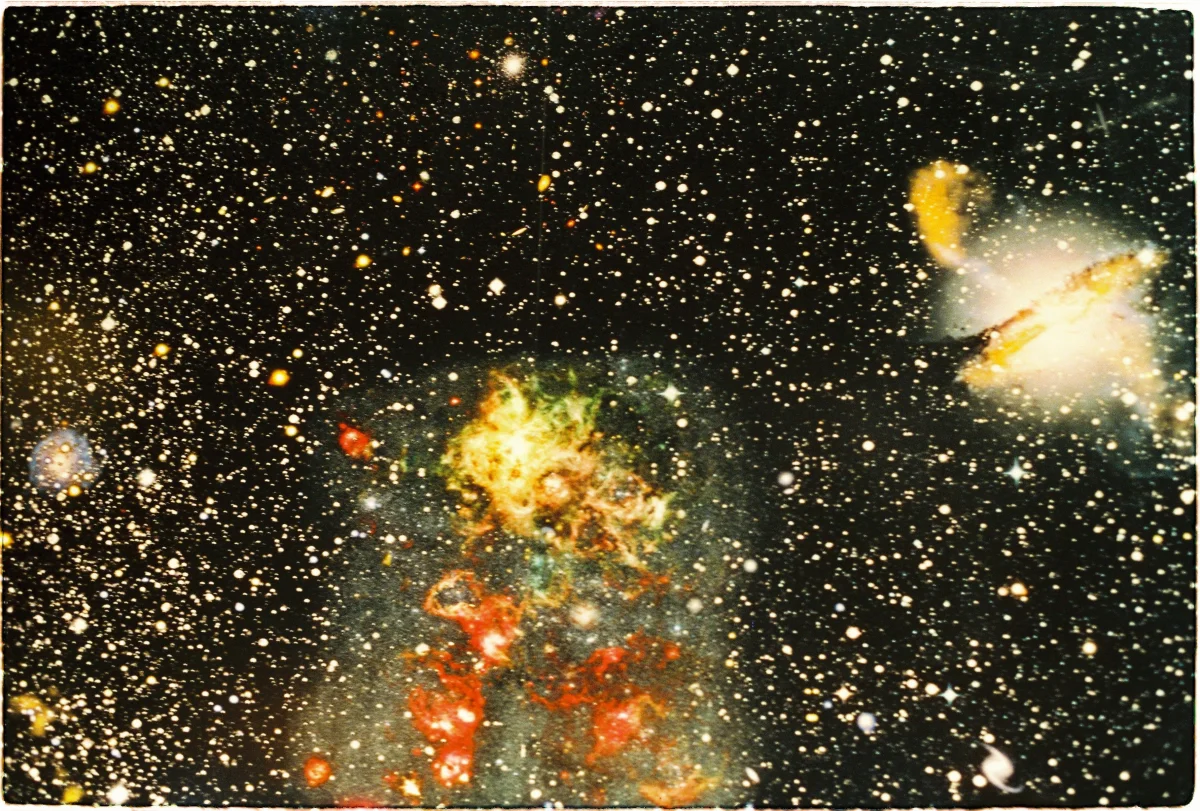
The Hubble Space Telescope has been a cornerstone of astronomical discovery since its launch in 1990.
An aerospace engineer
Collaborative Efforts
Rescuing Hubble isn’t a task for NASA alone. It requires a collaborative effort between public space agencies and private companies. By pooling resources and expertise, these entities can tackle the complex challenges involved in a potential rescue mission.
- Public and Private Partnerships: Collaboration could lead to shared funding and technological innovations.
- International Cooperation: Engaging with international space agencies could broaden the scope of feasible solutions.
- Crowdsourcing Ideas: Opening up the problem to the public could unearth unconventional solutions from innovative thinkers.
Narrative flow
Scroll through the argument
01
Identify Key Challenges
Understanding the technical and logistical hurdles is the first step to developing a comprehensive rescue plan.
02
Develop Innovative Solutions
Focusing on cutting-edge technology and international cooperation can unlock new possibilities.
03
Implement and Monitor
Carefully executing the plan and using AI for real-time monitoring ensures mission success.
Chapter 02
Pioneering Solutions
Exploring the technological innovations required to rescue Hubble.
Innovation is the key to extending Hubble’s mission. With advancements in technology, the possibilities for how we might service and maintain Hubble are expanding.
Robotics and Automation
Robotic missions to space are not new, but the complexity and precision required to service Hubble will push current technology to its limits. Autonomous drones and robotic arms must be capable of delicate operations in zero gravity, a challenge that demands precision engineering and innovative control systems.
AI and Machine Learning
AI technologies can be used to predict potential system failures and suggest timely interventions. By analyzing data continuously, AI systems can help in maintaining Hubble’s functionality, ensuring it continues to provide exceptional scientific data.
Innovative Approaches


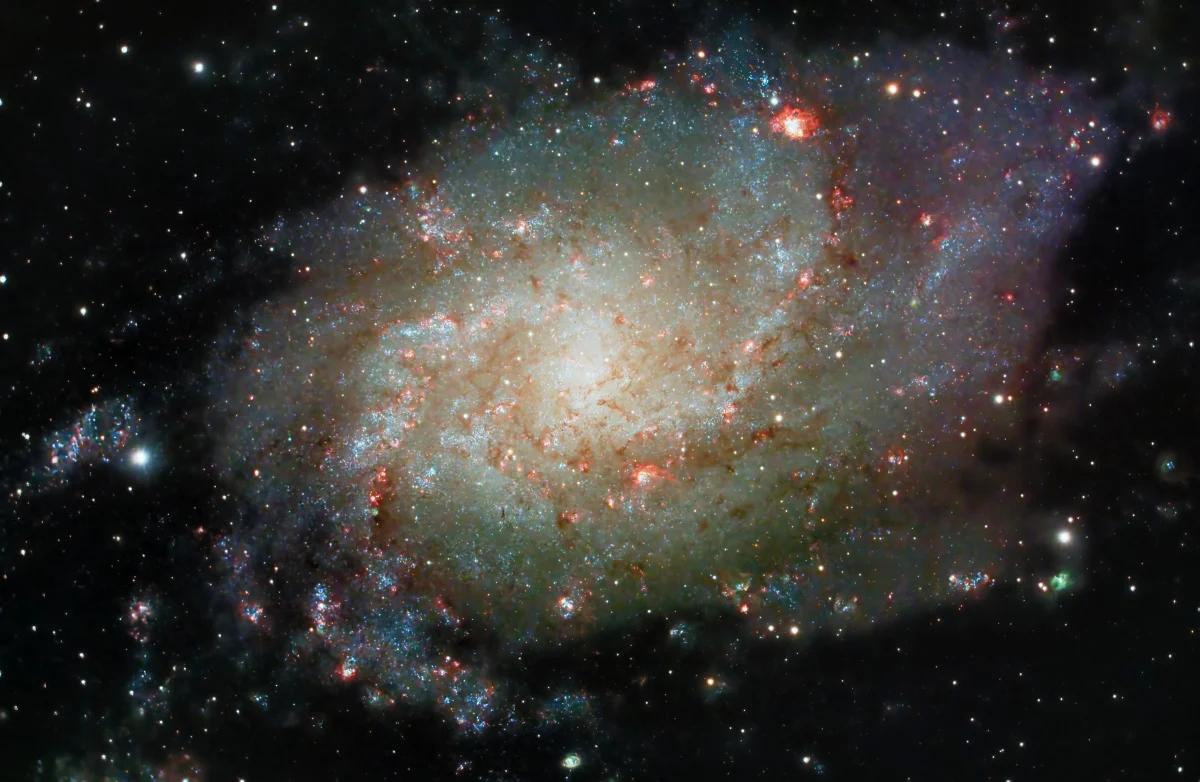
The quest to rescue the Hubble Space Telescope is not merely about preserving a piece of astronomical history. It’s about pushing the boundaries of what is possible in space technology and international collaboration. By embracing innovative solutions, we ensure that Hubble continues to illuminate the mysteries of the universe for generations to come.
As we look to the future of space exploration, the challenge of rescuing Hubble serves as a reminder of the power of human ingenuity. The solutions we develop today will not only extend Hubble’s mission but also pave the way for future explorations beyond our current imagination.